
Last updated November 15, 2026
 Wrought iron
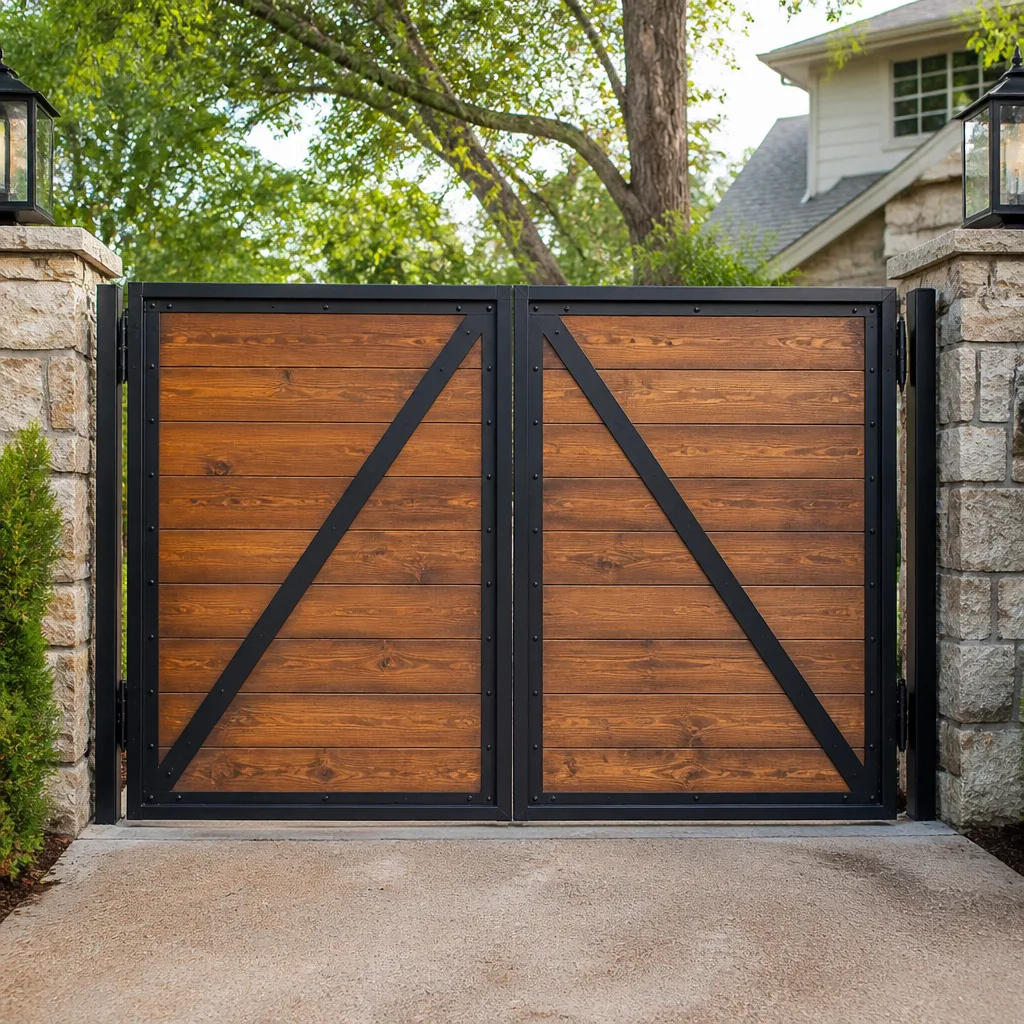 Wood & steel frame
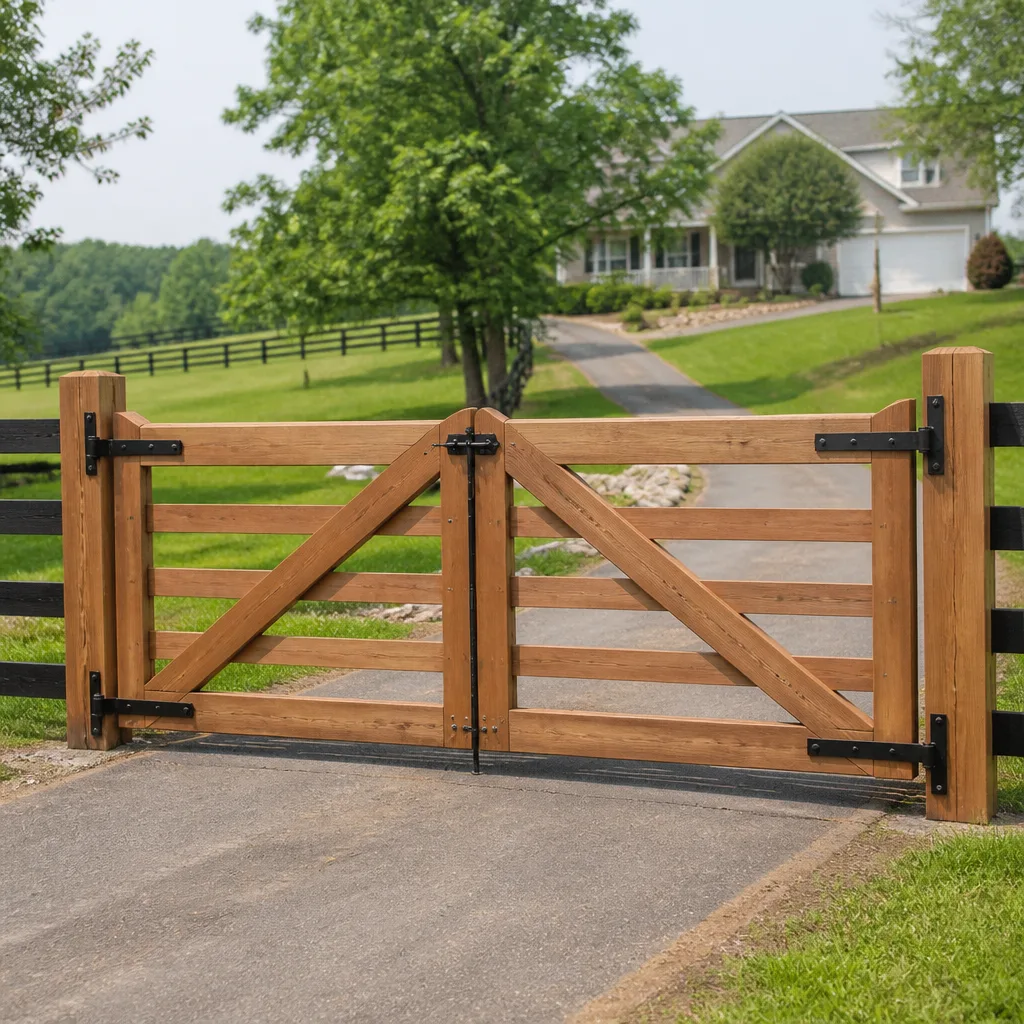 Farm & ranch
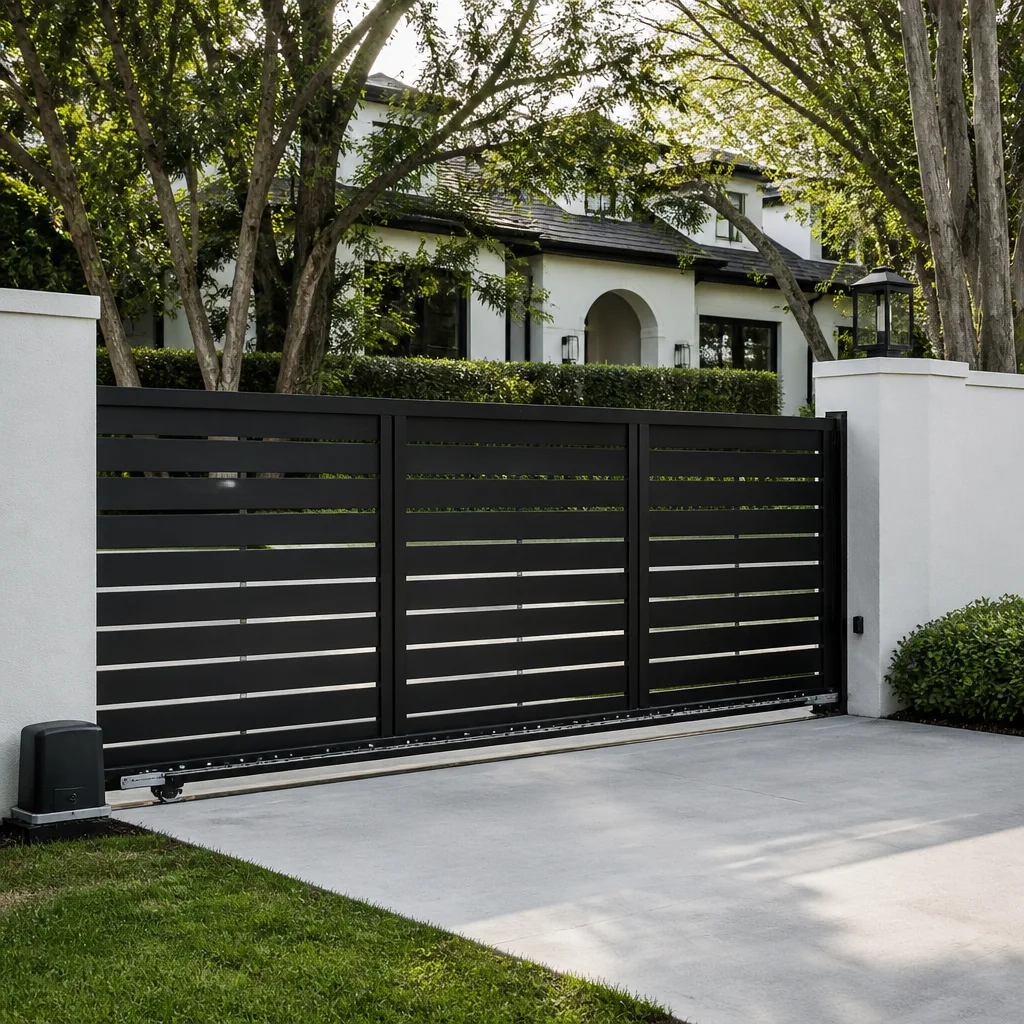 Sliding driveway gates
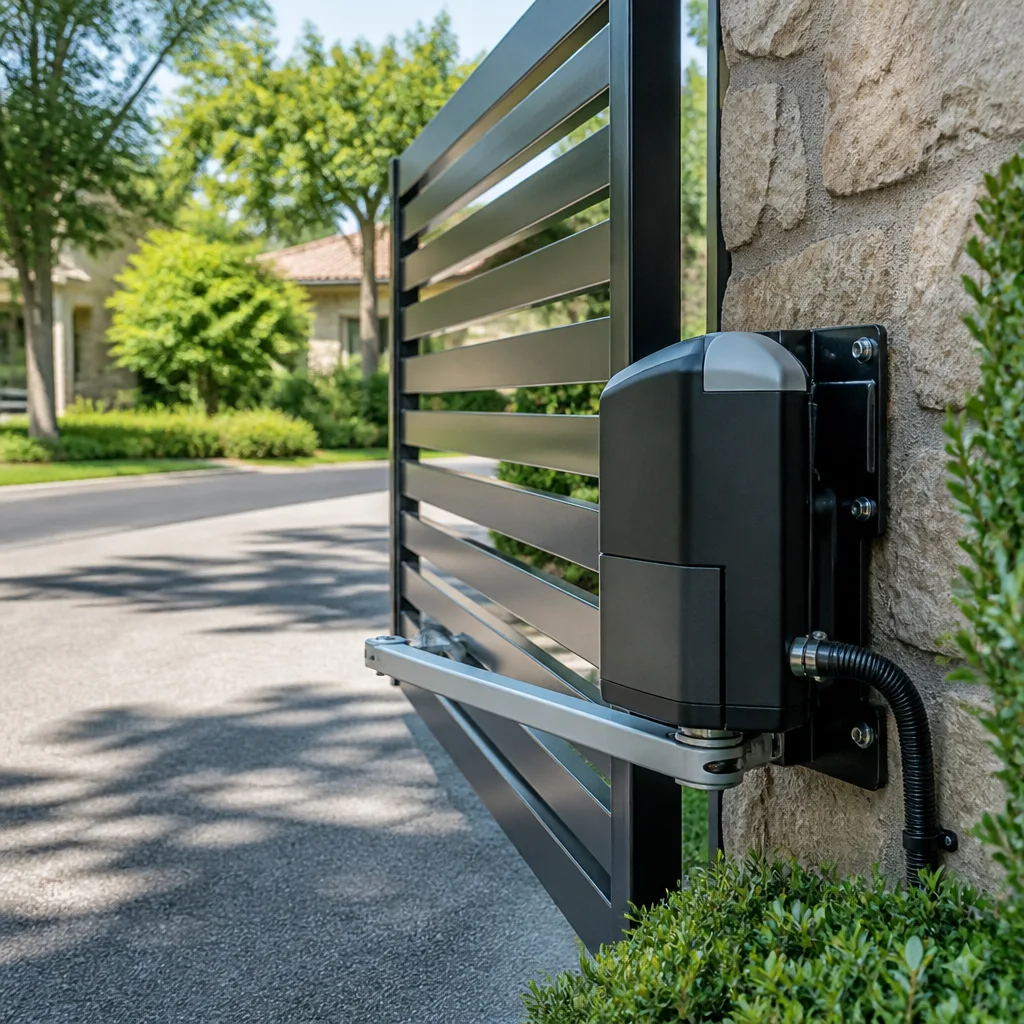 LiftMaster operators
Free on-site gate assessment - hinges, posts, and your LiftMaster or Nice gate operator checked before anything is quoted
The assessment is free and the quote is the invoice.
Get your free estimateDIY vs Professional Gate Repair: The Paterson Homeowner’s Decision Guide
Adjusting a gate hinge is a legitimate DIY task; adjusting the obstruction sensitivity on a UL 325-listed operator without understanding the entrapment force limits is not. That single distinction explains why so much gate repair advice online goes wrong: it treats “DIY vs professional” as a question about confidence or budget, when it’s really a question about which tasks have failure modes that can hurt someone. This guide draws the line by task, not by person. You’ll learn exactly which repairs are worth your Saturday afternoon, which ones demand calibrated test equipment and a licensed hand, and how to scope a problem before you call anyone in Paterson so you can hold an informed conversation instead of accepting the first diagnosis offered.
Quick Answer
Mechanical gate repairs – hinges, latches, manual locks, lubrication, and track cleanup on a slide gate – are realistic DIY jobs for a careful homeowner with basic tools. Anything involving the operator’s electrical supply, control wiring, safety sensors, or UL 325 obstruction and reversal settings belongs with a professional, because those settings protect people from being caught or crushed by a moving gate and can’t be set correctly by feel. In Paterson, where most residential gates sit close to sidewalks and driveways, that safety margin matters more than the repair cost.
Styles & brands we work with
- Wrought iron
- Wood & steel frame
- Farm & ranch
- Sliding driveway gates
- LiftMaster operators
Table of Contents
- Task-by-Task: What You Can Fix and What You Shouldn’t
- The Mechanical Jobs That Are Genuinely DIY Territory
- Why Electrical Work on a Gate Operator Belongs in Professional Hands
- The UL 325 Safety Settings You Can’t Set by Feel
- Tools and Parts You Can Source Yourself Without Overpaying
- How to Scope a Repair Before You Call Anyone
- Brand Matters More Than You Think: Linear, Viking, and DoorKing
- What’s Different About Gate Work in Paterson
Task-by-Task: What You Can Fix and What You Shouldn’t
The clearest way to answer “should I DIY this?” is to sort the job by consequence rather than by difficulty. A hinge that’s slightly out of alignment is annoying. An operator that fails to reverse on contact is a hazard. Here’s how the work actually divides on a typical residential gate.
Safe for a capable homeowner:
- Adjusting or tightening hinges on a swing gate so the gate hangs level and swings without dragging.
- Replacing a worn latch, a gate handle, or a manual lock assembly.
- Lubricating hinges, latches, and the rollers or track on a slide gate.
- Clearing debris, dirt, and grit from a slide gate’s track so the gate rolls freely.
- Replacing a worn rubber stop or bumper on a manual gate.
Better left to a professional:
- Any work on the operator’s power supply or control wiring.
- Setting or recalibrating obstruction force and reversal sensitivity on an automatic operator.
- Control board replacement, motor swaps, or programming a new remote or keypad into the system.
- Safety sensor and loop detector alignment.
- Repairing a slide gate that has jumped its track or a swing gate that has dropped at the hinge post, since both can involve heavy panels that shift unpredictably.
The dividing line isn’t “can I physically turn this bolt.” It’s “if this fails, does something heavy move when a person is standing in its path.” That question sorts almost every gate job correctly. For the electrical half of this list, that’s what electric gate repair covers, and it’s the work general handymen usually decline.
The Mechanical Jobs That Are Genuinely DIY Territory
We’re not going to pretend every repair needs a specialist. Several of the most common gate complaints are mechanical and straightforward, and a homeowner with a socket set and an hour can handle them safely. Here’s the honest shortlist and how a typical job goes.
- Hinge adjustment. A swing gate that sags, drags, or won’t close flush usually has a loose or worn hinge. Tighten the hardware first; if the gate still sags, the hinge pin or bearing is worn and needs swapping. On a heavy gate, have someone support the panel while you work so it doesn’t drop.
- Latch replacement. Latches wear out faster than anything else on a manual gate. Match the replacement to the gate frame’s hole pattern and material, and check that the gate still closes and lines up after the swap.
- Manual lock repair. A stiff or sticking lock is usually grime or a worn cylinder. Clean, lubricate, and if the cylinder is past saving, replace it with the same bore size.
- Lubrication. Hinges, latches, and slide-gate rollers benefit from a proper gate lubricant – not cooking spray or general-purpose oil that attracts grit. Wipe off the old residue first so you’re not sealing dirt into the joint.
- Track cleanup. On a slide gate, sweep and clear the track and check that the gate rolls without catching. Grit and debris are the most common cause of a “sticking” slide gate that isn’t actually broken.
These jobs share one feature: if you get them wrong, the gate is inconvenient or doesn’t close, but nothing dangerous happens. That’s the test. If a repair fails in a way that could trap, crush, or strike a person, it doesn’t belong in the DIY column regardless of how confident you feel.
Why Electrical Work on a Gate Operator Belongs in Professional Hands
Here’s the trap: automated gate repair looks approachable. The wiring is low-voltage, the control board is small, the instructions are online. But in New Jersey, electrical work on a gate operator – including low-voltage control wiring and the connection to the home’s power – falls under the state’s electrical subcode, which means permits and licensed electricians for the work that connects to line voltage. A homeowner who opens the operator housing and starts moving wires is working outside that framework, and it’s a real liability if something goes wrong later.
Beyond the code question, gate operators have failure modes general handyman services routinely turn away. Control boards fail in ways that look like sensor problems. Loop detectors on driveway gates misread when the loop wire is damaged under pavement. Intercom and access-control wiring is fiddly and easy to cross up. The systems interact in ways that reward brand-specific familiarity – a Linear control board and a DoorKing board don’t fail the same way; whether your operator needs a board swap or a full replacement, the diagnosis is brand-specific, and that’s where we spend most of our time.
This is also where the “just try it” instinct gets expensive. A miswired control board can fail quietly and leave you with an intermittent gate that nobody can pin down. Our technicians have up to 13 years of experience, and most of what we do on the electrical side is diagnose the actual fault before touching a part.
The UL 325 Safety Settings You Can’t Set by Feel
UL 325 is the standard that governs automatic gate operators, and its core job is preventing entrapment – a gate closing on a person, a pet, or a vehicle. Two settings enforce that: the operator’s obstruction force limit (how hard the gate can push before it reverses) and its reversal sensitivity (how quickly it reacts to a sensor trip or an obstruction). Both need to be set and verified with the right equipment against the gate’s actual weight, span, and speed.
You can’t set either correctly by watching the gate and thinking “that feels about right.” The correct values depend on the gate leaf’s mass, the operator’s torque, and the manufacturer’s spec for that specific model. Set the force too high and the gate won’t stop when it meets a person; set it too low and the gate reverses on wind and small debris, which eventually tempts someone to crank it back up past the safe limit. That back-and-forth is how gates end up in an unsafe state without anyone intending it.
This is also the point where we draw a hard line. If your operator is reversing unexpectedly, failing to reverse at all, or doing something inconsistent, don’t adjust the sensitivity yourself to make it behave. Get it diagnosed and tested properly, because those two settings are the last word on whether a moving gate is safe around people. When we service an automated gate in Paterson, testing the reverse and obstruction response is part of the job, not an afterthought.
Tools and Parts You Can Source Yourself Without Overpaying
The DIY territory doesn’t hide expensive proprietary parts, which is why it’s fair to hand it to homeowners. Hinges, latches, handles, manual lock cylinders, and general gate hardware are standard items you can buy at a hardware store or online for a reasonable price. There’s no need to pay a markup on a latch or a hinge – match the material and hole pattern and you’re set.
What you shouldn’t try to source yourself is anything proprietary to the operator. Control boards, safety sensors, motor assemblies, and remotes are brand- and model-specific, and the wrong part either won’t fit or won’t program. This is where brand knowledge pays off. We deal with Linear and DoorKing systems specifically, and their parts channels and programming sequences are different, so buying “the right sensor” based on a photo alone usually leads to a return and a delay. If you’re unsure whether a part is generic hardware or operator-specific, that’s the moment to ask before you buy.
Keep a short set of tools on hand for the DIY jobs: a socket set, screwdrivers, an adjustable wrench, a proper gate lubricant, a wire brush for track cleanup, and a level for checking hinge alignment. That covers essentially every task in the “safe” column above.
How to Scope a Repair Before You Call Anyone
You’ll get a better diagnosis, a better conversation, and a faster repair if you’ve scoped the problem first. It also protects you from accepting the first diagnosis offered without understanding it. Here’s how to scope a gate problem in about ten minutes.
- Describe the symptom precisely. “It doesn’t close” is not specific enough. Is it a manual gate that won’t latch, or an automated gate that stops halfway? Does it fail every time, or only sometimes? Write it down exactly.
- Separate mechanical from electrical. With the operator unplugged or in manual mode, does the gate move freely by hand? If it binds or drags, the problem is mechanical. If it moves fine but the operator fails, it’s electrical or sensor-related.
- Note the brand and model. Check the operator housing for the label. This one detail cuts diagnosis time more than anything else, because it tells the technician which failure points and parts channel apply.
- Observe the failure. If it’s intermittent, note whether it happens at a specific point in travel, in wet weather, or when something passes the sensor. Patterns point to specific components.
- Don’t attempt a fix to “see if it helps.” On an automated gate, an unprompted fix can mask the real fault or reset a safety setting. Leave it as-is so the problem can be diagnosed properly.
When you call, those notes turn into a real conversation about what the job involves and what a written estimate will look like. For a manual gate that needs a new hinge, gate repair is a quick turnaround. For an automated gate with an intermittent fault, the notes help the technician prepare before the visit.
Brand Matters More Than You Think: Linear, Viking, and DoorKing
A gate operator isn’t a generic appliance. Each manufacturer has its own programming sequences, known failure points, and parts quirks, and that knowledge is most of the difference between a quick diagnosis and a guess-and-swap. We work on Viking and DoorKing systems specifically, among others, and the pattern holds across brands: the fault that looks like a sensor problem is often a board, and the fix depends entirely on which brand you’re standing in front of.
What that means for a DIY homeowner is straightforward. Mechanical gate hardware is universal – a hinge is a hinge. Operator parts are not. A Ghost Controls remote won’t program a Linear operator, and a sensor meant for one brand’s board won’t report correctly on another. If you’re diagnosing the electrical side yourself, brand-specific knowledge is what you lack, and no amount of YouTube watching closes that gap before you’ve worked on that specific model.
That’s also why it helps to have one specialist for the gate, manual and automated, from a hinge fix to a full operator replacement. If a repair is beyond saving, we can move straight to installation rather than handing you off to a different contractor. Gates are all we do, which is why we can give a straight answer on which brands we know cold and which parts channel applies.
What’s Different About Gate Work in Paterson
Gate repair in Paterson has its own practical shape. It’s a dense, older city, and a lot of residential gates sit on narrow lots close to sidewalks, alleyways, and neighboring properties. That geography affects everything from how much clearance there is to swing a gate open to how quickly a gate that’s out of alignment becomes a problem for people walking past. It also means a gate that doesn’t close properly is a bigger deal here than on a large suburban lot, because the exposure to the public right-of-way is closer.
The housing stock matters too. Driveway gates and courtyard entries on older properties often sit on posts and frames that have settled, which is why hinge adjustments and latch replacements are some of the most common mechanical jobs we see in Paterson – and some of the easiest to DIY once you’ve diagnosed the cause. Automated operators on these gates add the electrical complexity on top, and that’s where a task-by-task judgment call really pays off: you can handle the mechanical side and leave the safety and electrical side to a professional.
One local fact worth knowing: in New Jersey, most cities require a permit for electrical work on an automated operator, and Paterson is no exception to that general rule. When you’re adding or replacing an operator, ask the city’s building department about the electrical subcode before work starts. That’s a question worth asking any contractor, not just us.
Common Mistakes to Avoid
- Adjusting safety sensitivity to fix a “finicky” gate. If your operator reverses unexpectedly, the sensitivity setting is a symptom, not the cause. Turning it down to make the gate behave can disable the entrapment protection and leave you with an unsafe gate.
- Opening the operator housing on a live system. Even low-voltage control wiring sits next to line voltage, and in New Jersey that work falls under the electrical subcode. A general handyman shouldn’t be in there, and neither should you.
- Buying an operator part by photo. Control boards and sensors are brand- and model-specific. Buying on a guess usually means a return, a delay, and a second part.
- Ignoring a dragging gate because “it still opens.” A settling hinge or a worn roller keeps working until it doesn’t, and by then the wear has usually spread to the gate frame or the operator. In Paterson’s older housing stock, that wear shows up sooner than people expect.
- Lubricating with the wrong product. Cooking spray and general-purpose oil attract grit into hinges and slide tracks. Use a proper gate lubricant and wipe off the old residue first.
- Assuming the heaviest gate is the only one that can hurt someone. A light swing gate on an automated operator moves with enough force to injure a person at the settings a misdiagnosed board can produce. Weight isn’t the safety variable; the operator settings are.
- Calling a specialist without noting the brand and symptom. A precise description gets you a faster, clearer estimate than “the gate’s broken.”
See the difference
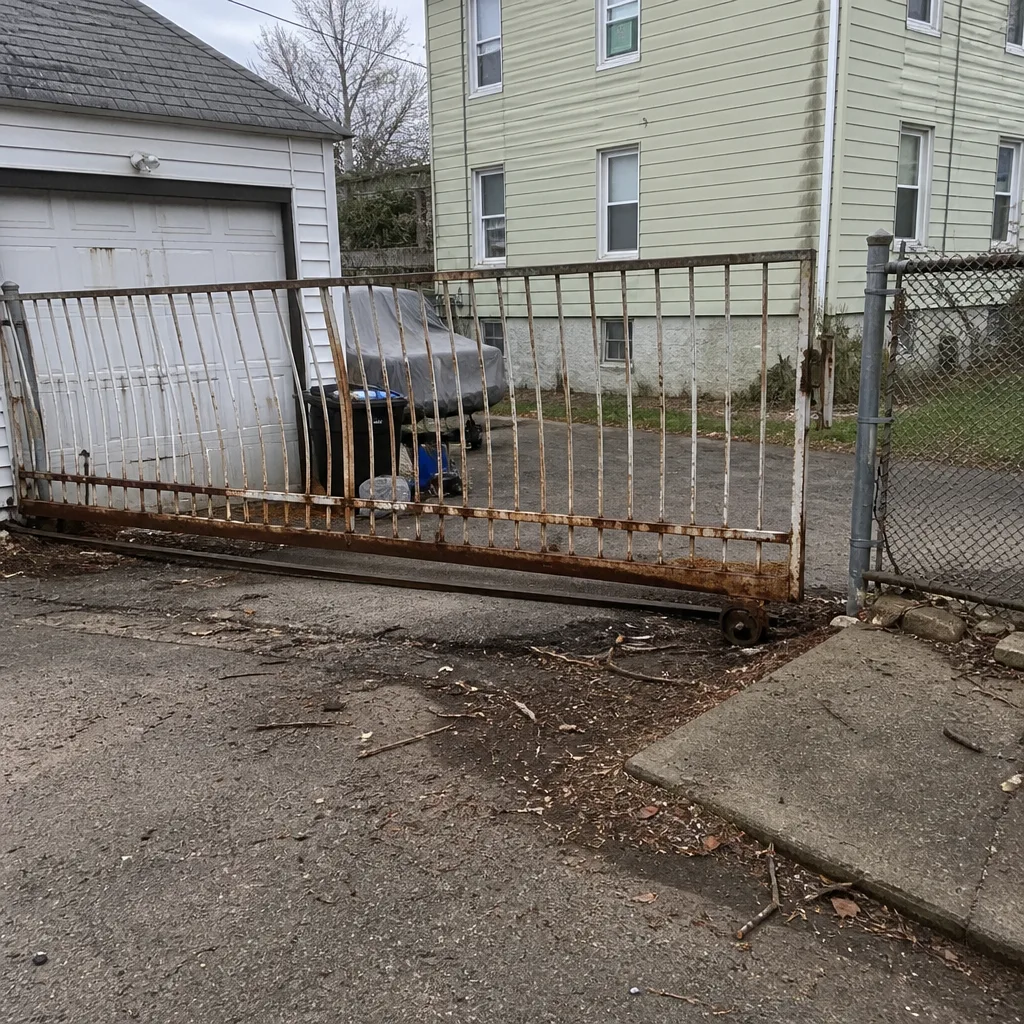 Before
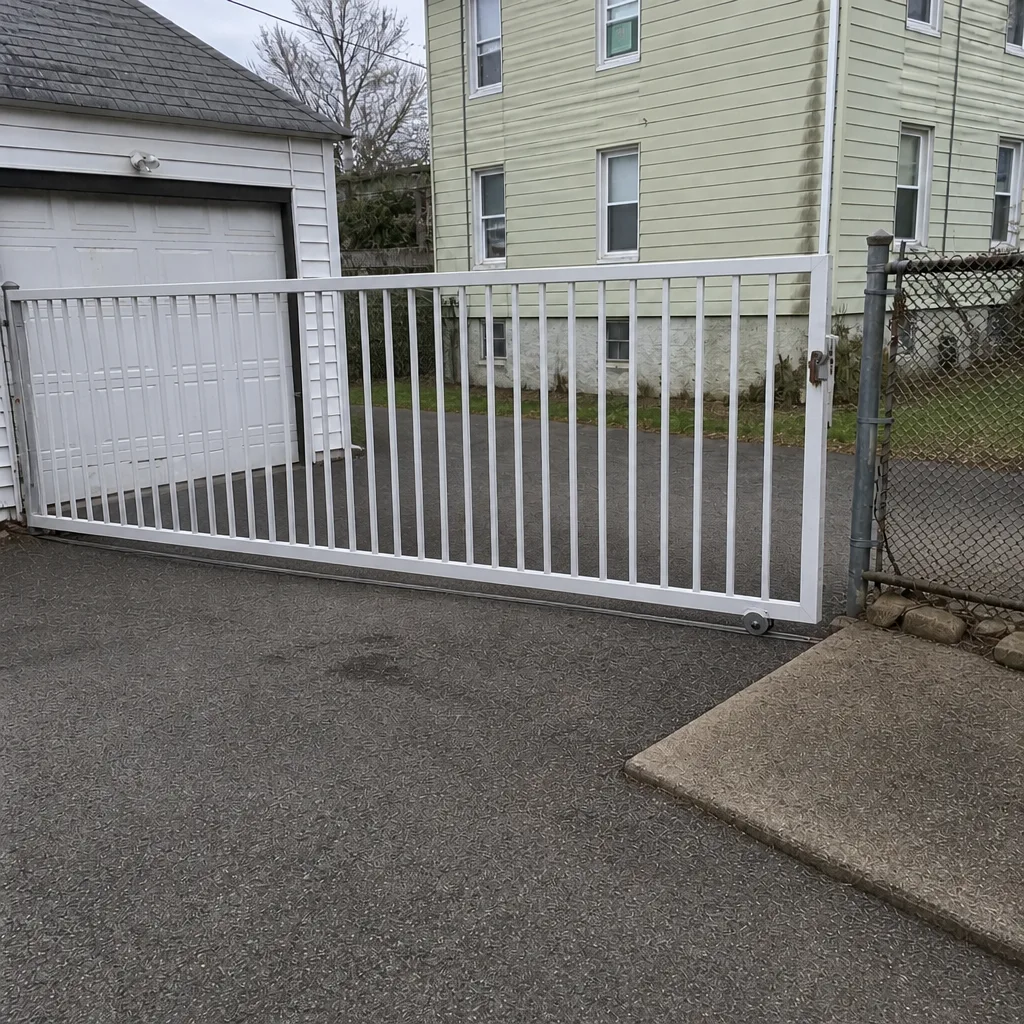 After
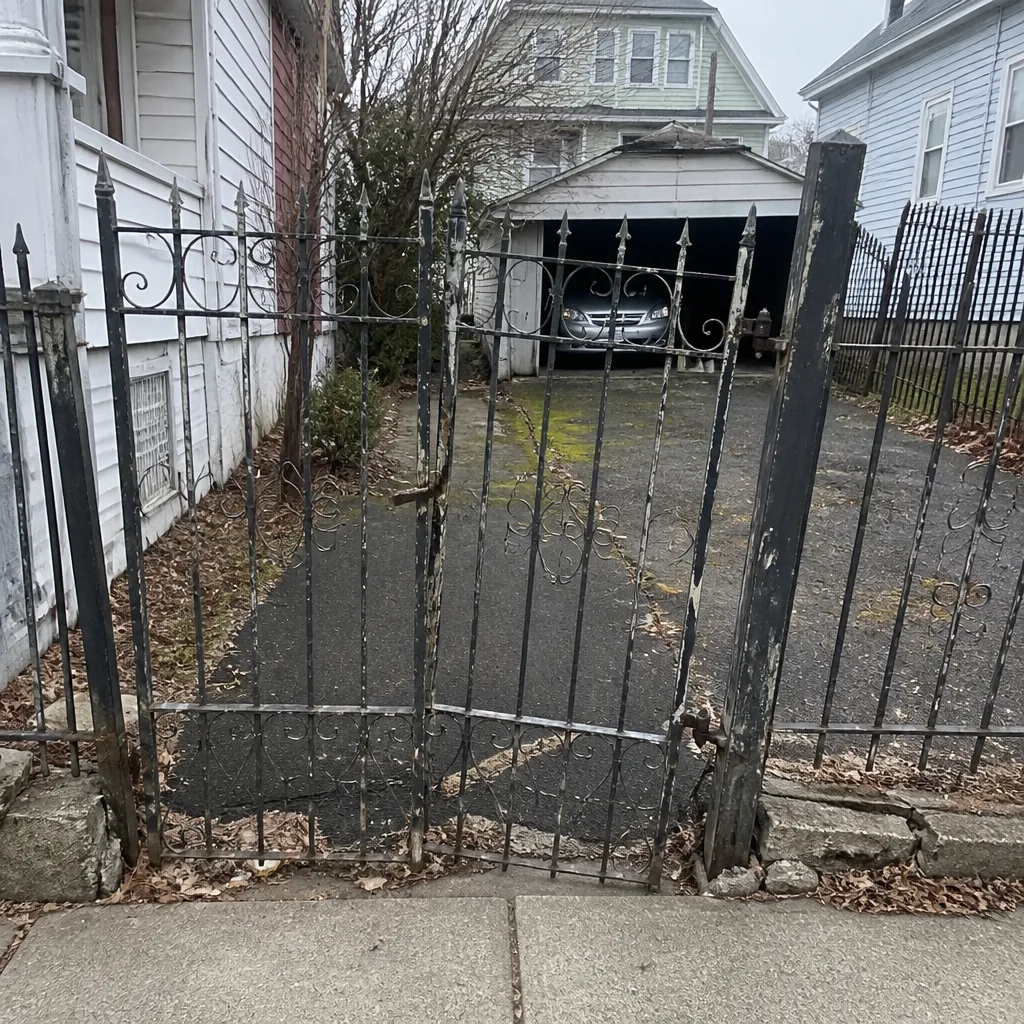 Before
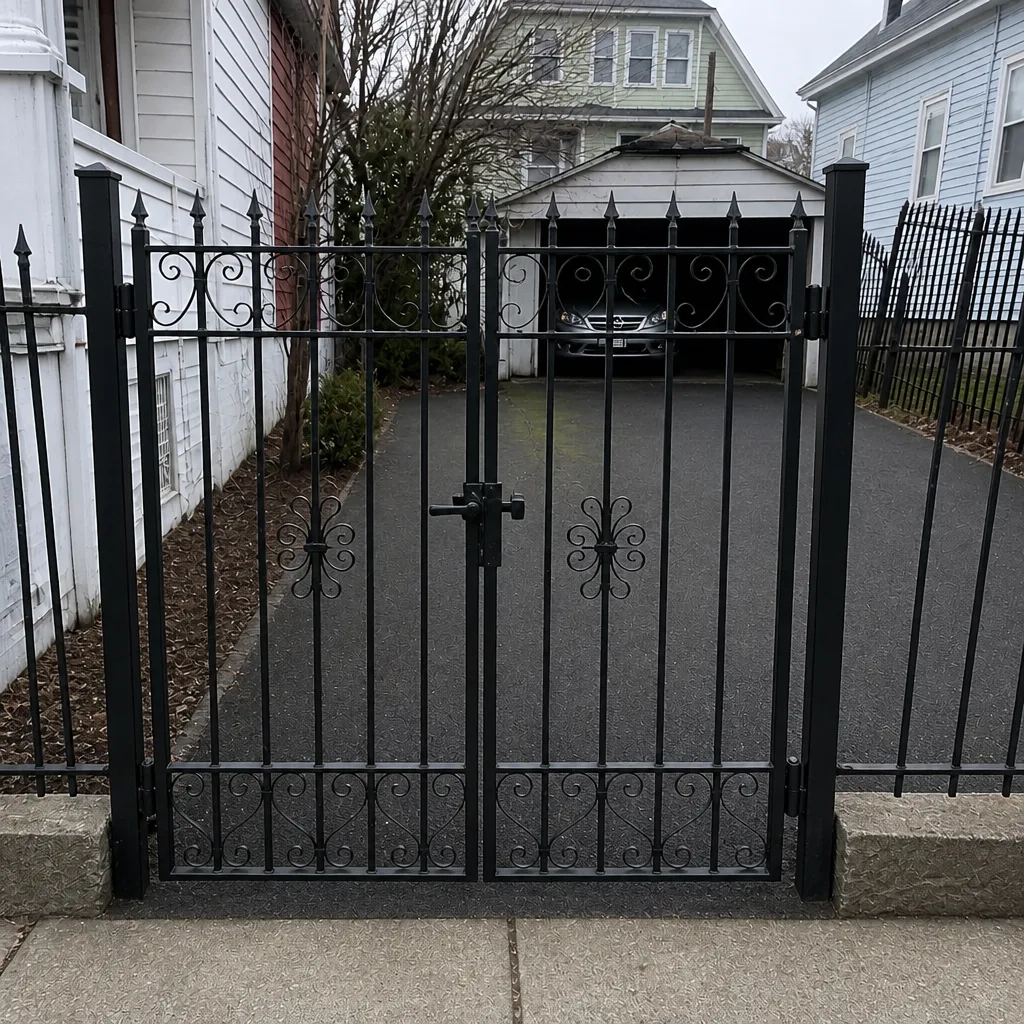 After
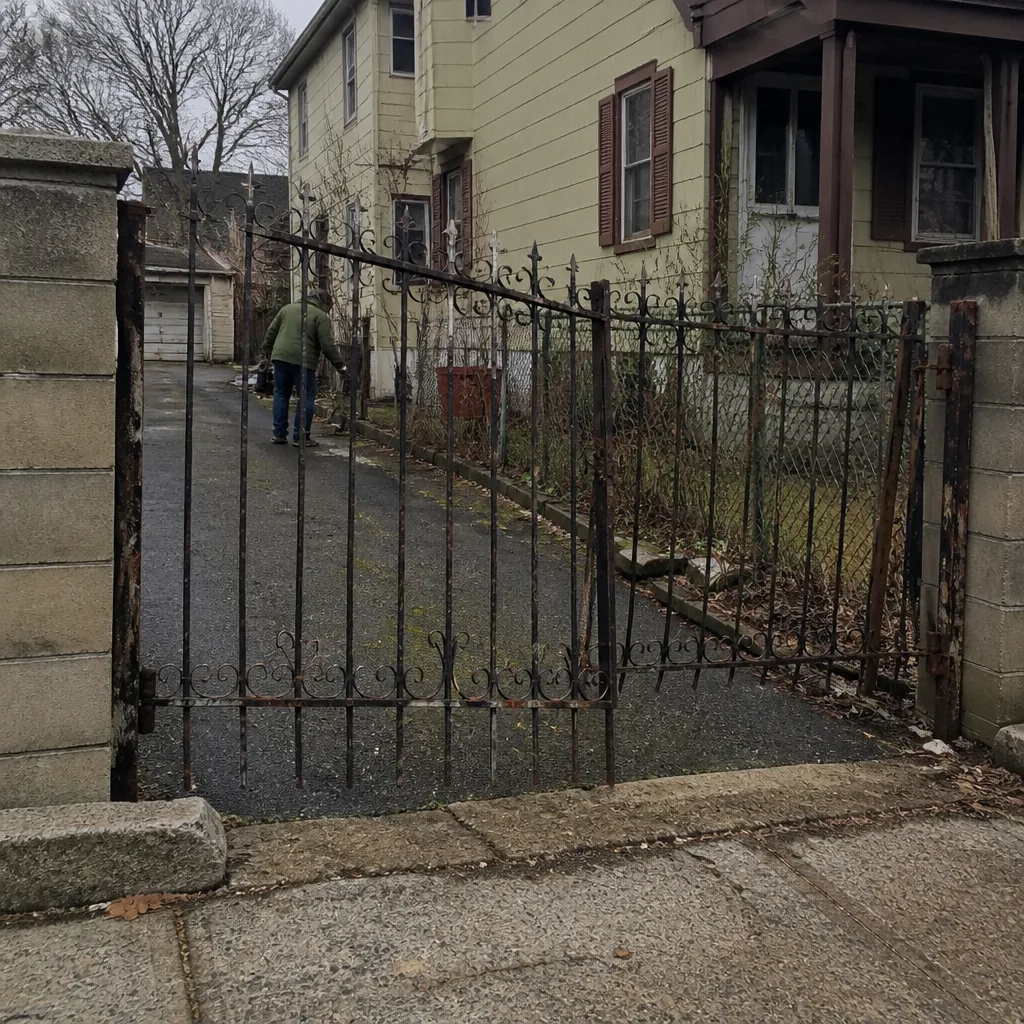 Before
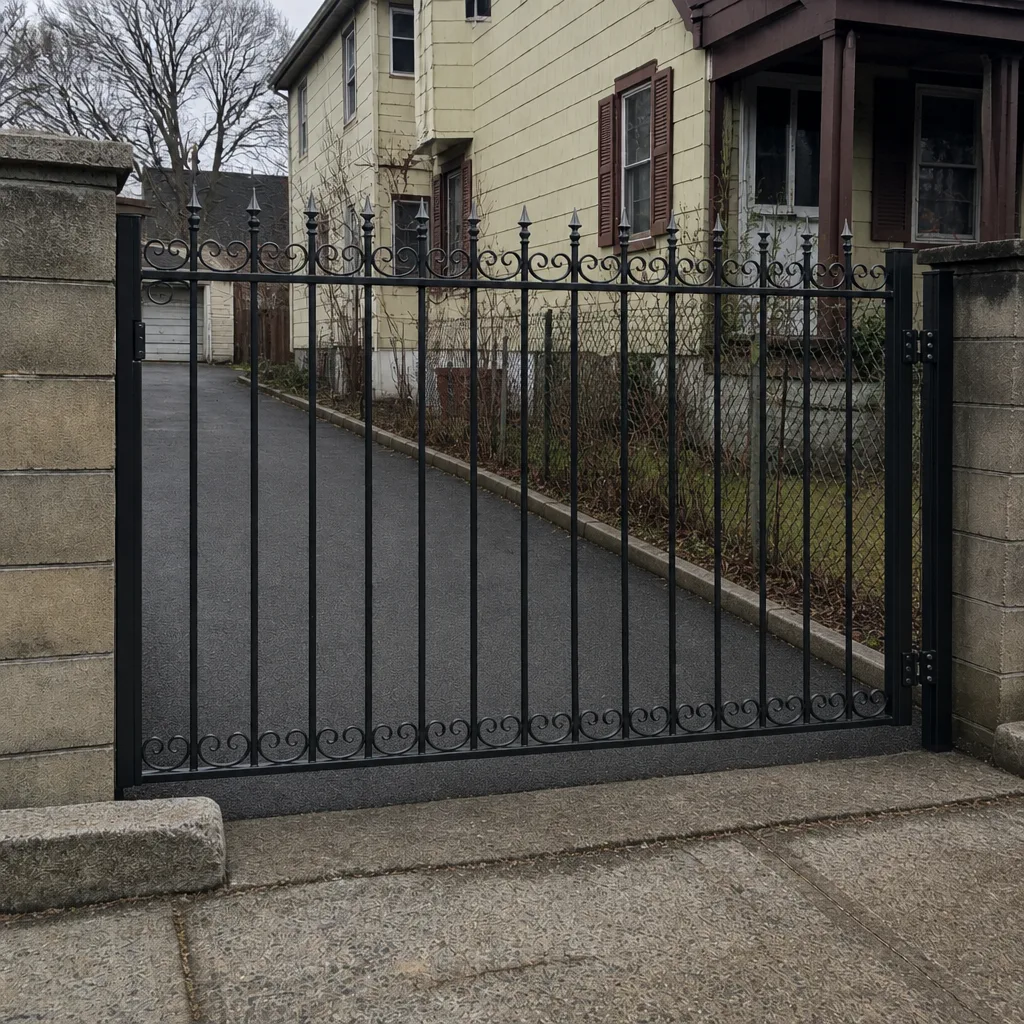 After
When to Call a Professional
Call a professional when the task involves the operator’s electrical supply or control wiring, when you need to set or verify the UL 325 obstruction and reversal settings, when a slide gate comes off its track or a swing gate has dropped at the hinge post, when the operator’s board or motor fails, or when a fault is intermittent and hard to pin down. Those are the cases where an amateur diagnosis usually costs more than it saves. The mechanical jobs – hinges, latches, manual locks, lubrication, track cleanup – stay in the DIY column, and we’ll tell you honestly which side a given repair falls on. Gate Repair Paterson offers free estimates in Paterson – call (833) 946-4320 for a free estimate, and we’ll scope the job with you before any work is quoted.
Frequently Asked Questions
Yes, in most cases. Hinge tightening and hinge replacement are mechanical jobs that need only basic tools, and they’re one of the safest repairs to tackle. On a heavy gate, have someone support the panel while you work so it doesn’t drop. If the gate has dropped at the hinge post or the frame has shifted, have it looked at instead.
No, not the electrical side. In New Jersey, electrical work on a gate operator – including the connection to line voltage – falls under the state’s electrical subcode and requires a licensed electrician and a permit. Low-voltage control wiring sits inside the same operator housing. Ask the city’s building department about the permit before work starts. Call (833) 946-4320 for an exact quote on operator repairs – estimates are free.
A gate that reverses unexpectedly usually has a sensor misalignment, a damaged loop detector, or a control board fault, not a sensitivity setting that needs adjusting. Don’t turn the sensitivity down to compensate – that disables the entrapment protection. It needs to be diagnosed and tested on site. Call (833) 946-4320 for an exact quote – estimates are free.
A full replacement covers removal of the old operator, installation of the new unit, the electrical work, safety sensor and reversal setting verification, and programming of any remotes or keypads. The exact scope depends on the brand and gate type. It’s scheduled work rather than a same-day fix, and the written estimate sets the final price. Call (833) 946-4320 to schedule a free measure and a written price.
We work on LiftMaster, FAAC, BFT, Linear, Viking, Ghost Controls, DoorKing, Elite, and Mighty Mule systems. That range covers entry-level residential swing gates through high-cycle commercial slide operators. Knowing a brand’s failure points and programming sequences is what makes the diagnosis fast. Call (833) 946-4320 for an exact quote on your system – estimates are free.
We offer same-day service for gate repair when the schedule allows. Call (833) 946-4320. We answer 24/7, and fast dispatch from 7am to 7pm, Sunday through Friday. A call outside dispatch hours is booked into the next opening, Sunday through Friday, 7am to 7pm.
The Bottom Line
The DIY vs professional question for gate repair comes down to which tasks can fail safely and which can’t. Hinges, latches, manual locks, lubrication, and track cleanup are genuinely yours to handle, and doing them yourself saves money without adding risk. Anything involving the operator’s electrical supply, control wiring, or UL 325 safety settings belongs with a professional – those settings protect people, and they can’t be set by feel. If you’re in Paterson and unsure which side a repair falls on, the answer is one call away, and it’s better to sort it before you spend money on the wrong part or the wrong fix. For mechanical repairs, gate repair in Paterson is quick; for the electrical side, electric gate repair for Paterson gates is what we know best.
Call (833) 946-4320 for a free estimate. We answer 24/7, and fast dispatch from 7am to 7pm, Sunday through Friday. We’ll scope the job with you, quote the price in writing before any work starts, and tell you honestly whether it’s a DIY job or one for us. For a full look at what we cover in Paterson, start with Gate Repair Paterson and see how we work.
Written by the team at Gate Repair Paterson.