
Last updated November 15, 2026
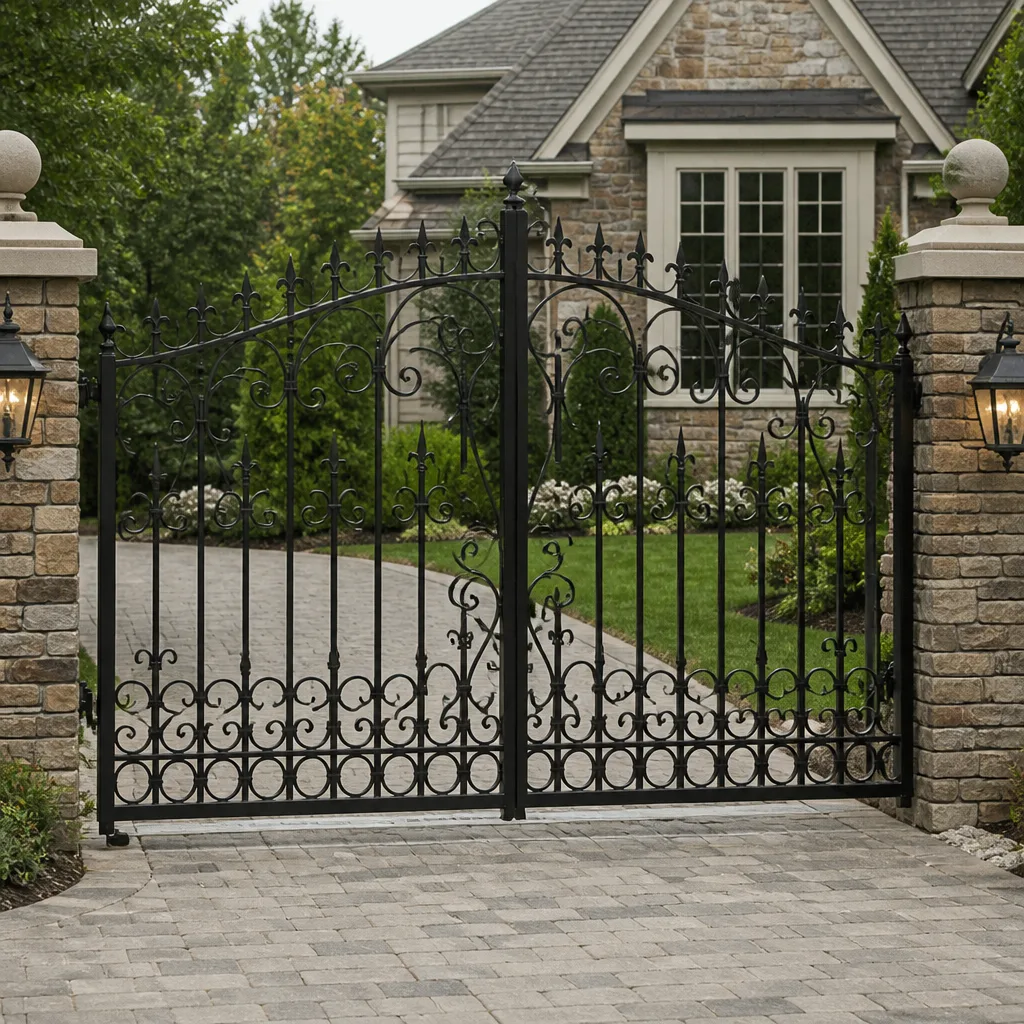 Wrought iron
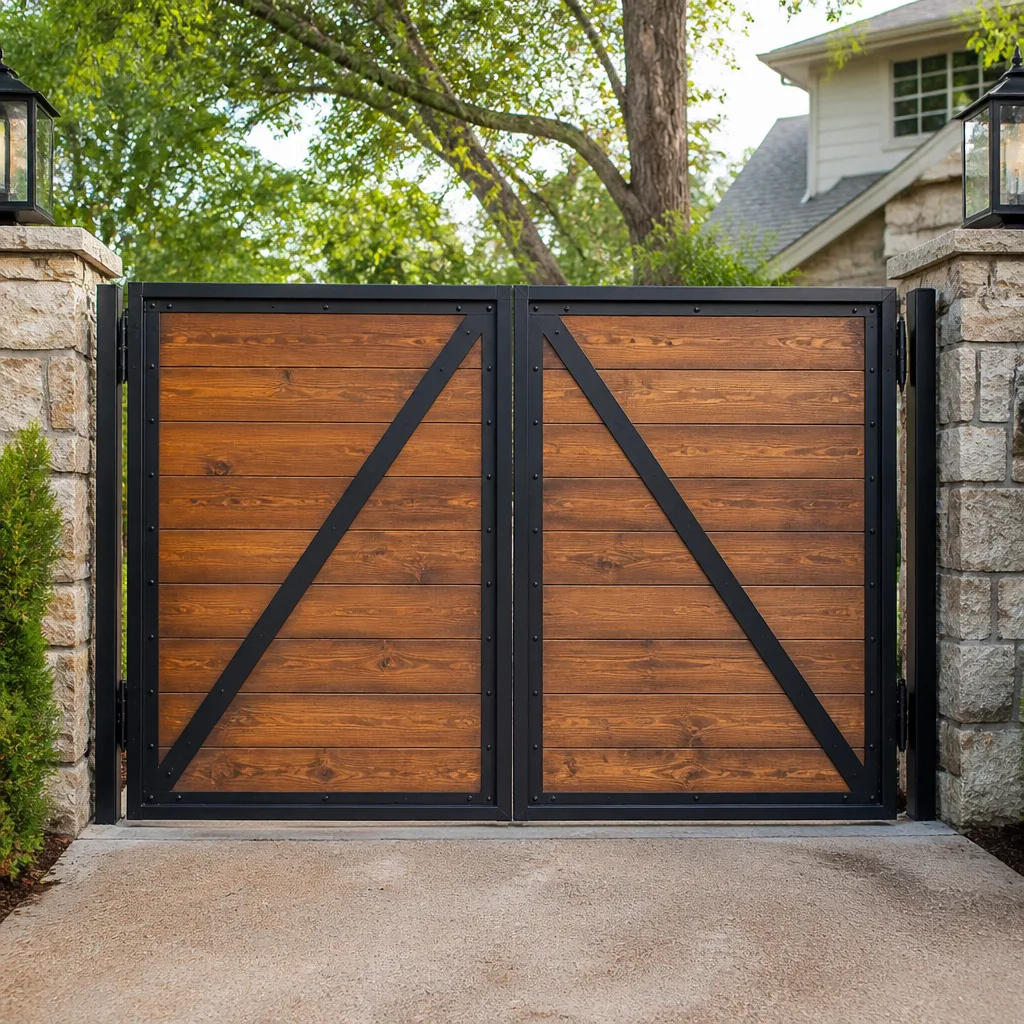 Wood & steel frame
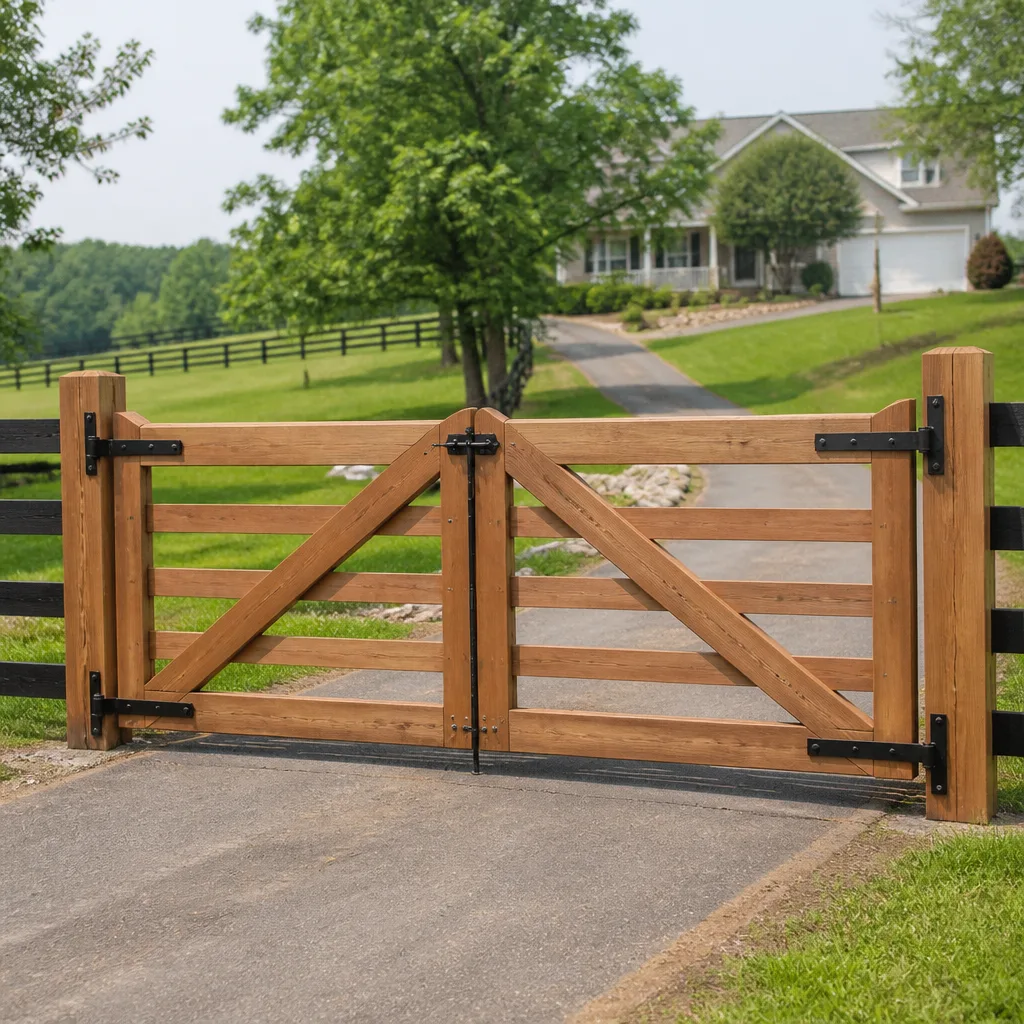 Farm & ranch
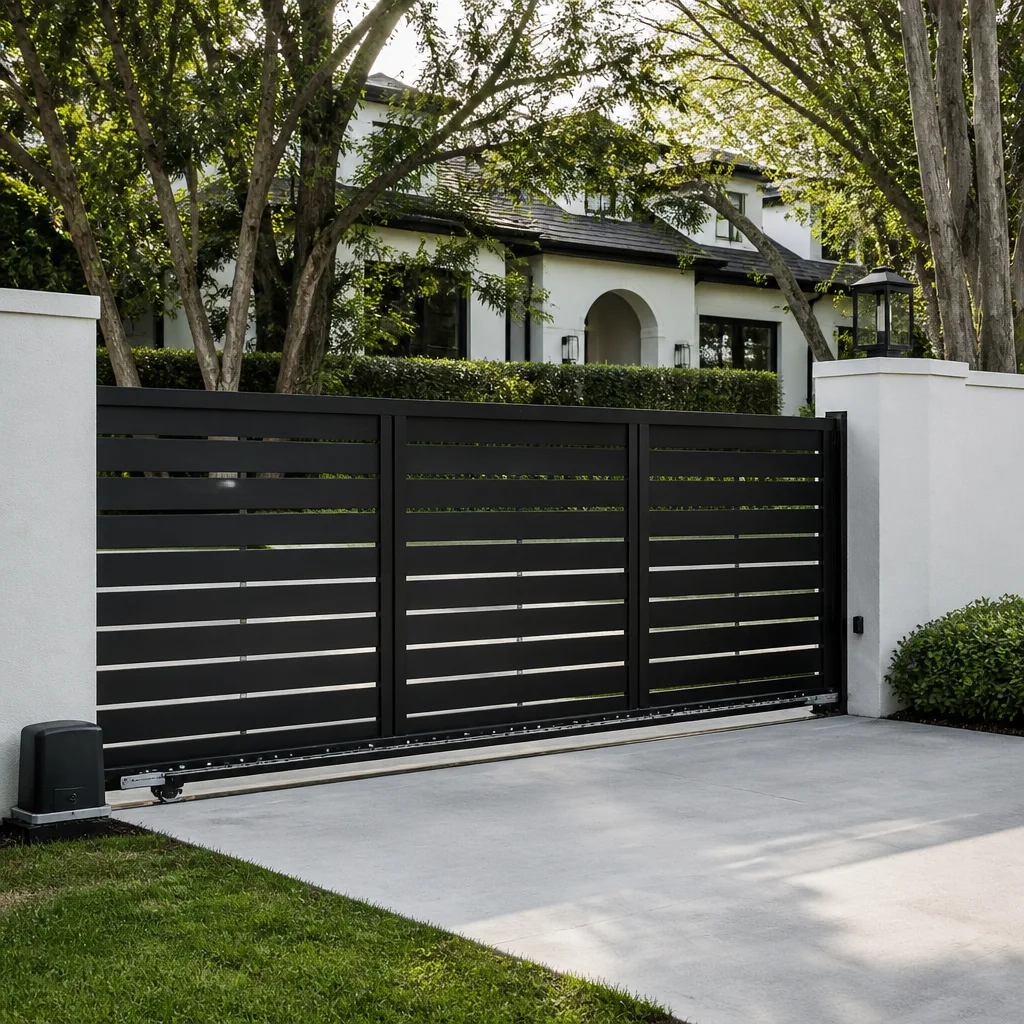 Sliding driveway gates
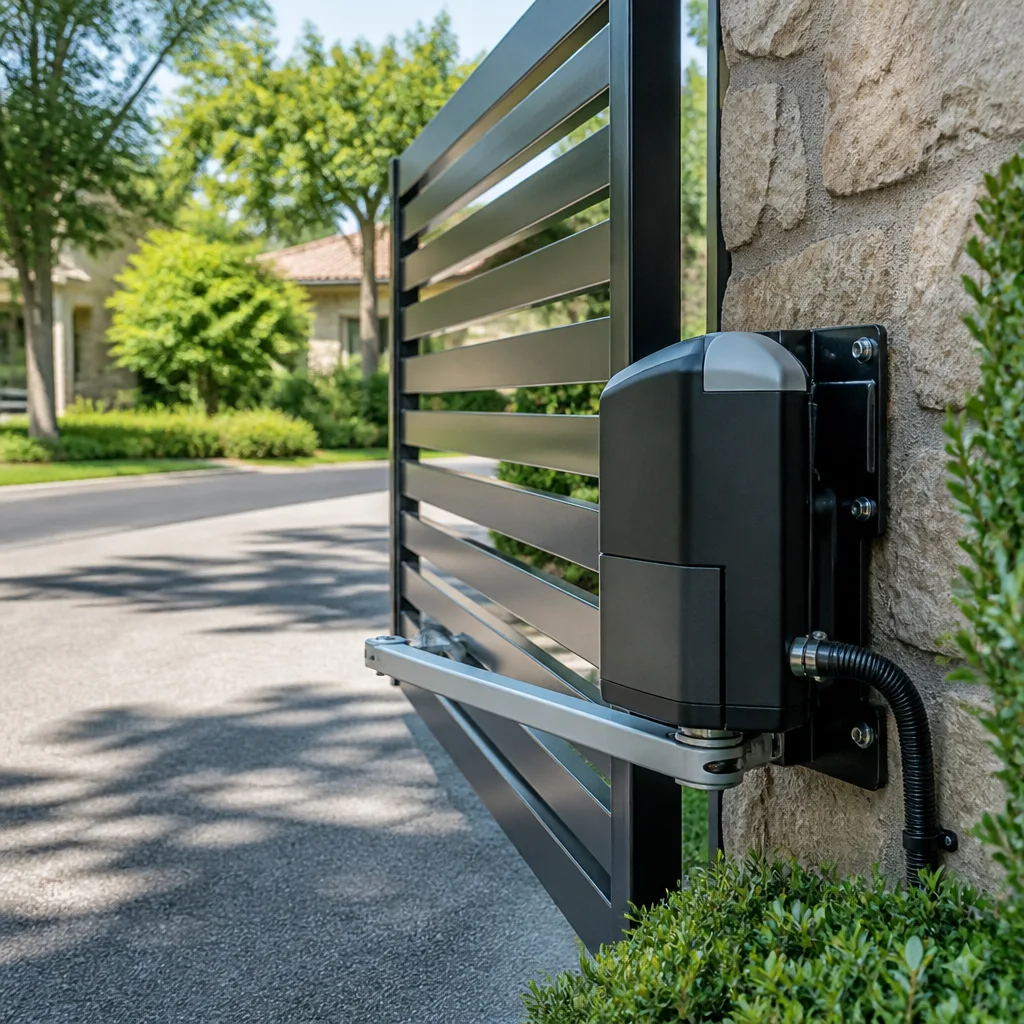 LiftMaster operators
Free on-site gate assessment - hinges, posts, and your LiftMaster or Nice gate operator checked before anything is quoted
The assessment is free and the quote is the invoice.
Get your free estimateGate Repair Permits, Codes & Inspections in Paterson, NJ: What You Need to Know
Most gate work in Paterson doesn’t need a permit. That’s the part that surprises people, and it’s also where the trouble starts. A homeowner replaces a rusted hinge, repairs a sagging latch, or has a new operator bolted onto a gate that’s been standing for years – and never thinks about the building department. The jobs that do trigger permits are narrower than most folks assume, but the consequences of skipping one are real: unpermitted electrical work on your property record, a failed inspection when you sell, or a contractor who disappears when the work gets disputed. This guide draws the line between what needs a permit and what doesn’t under New Jersey’s Uniform Construction Code, and how that plays out on a Paterson lot.
Quick Answer
In Paterson, NJ, most gate repairs – fixing hinges, latches, tracks, or replacing an operator with the same model on existing wiring – typically don’t require a permit. But new electrical work for an operator (new circuit, new conduit run, new disconnect) and substantial new construction like a new gate, new posts, or a new powered system usually do. Always verify with the Paterson building department before work starts, because the rules hinge on scope, not on the label “repair.”
Styles & brands we work with
- Wrought iron
- Wood & steel frame
- Farm & ranch
- Sliding driveway gates
- LiftMaster operators
Table of Contents
- Does gate repair need a permit in Paterson?
- What the NJ Uniform Construction Code says about gates
- How Paterson zoning affects gate height and placement
- Building permit vs. electrical permit for operator installation
- What an inspector actually checks on a powered gate
- Pulling the permit yourself vs. using a contractor
- Common mistakes to avoid
- When to call a professional
Does gate repair need a permit in Paterson?
No, ordinary gate repair usually doesn’t need a permit. Replacing a hinge, straightening a bent track, adjusting a latch, swapping a worn roller, or re-hanging a swing gate that dropped out of alignment are maintenance and repair tasks – they don’t change the structure or the electrical system, so they fall outside the permit triggers in the state code. That covers most of what we handle in Paterson.
What does need a permit tends to be the work that adds something new. Here’s where the line sits:
- Repair or replace an existing gate panel on existing posts: typically no permit.
- Repair or replace a manual latch, hinge, or wheel: typically no permit.
- Replace a failed operator with the same model on existing wiring: often no permit, but this depends on whether the wiring itself is altered.
- Install a new electric operator where none existed, or run new electrical: usually requires an electrical permit.
- Install new posts, a new gate, or a new powered system: usually requires a building permit, and often an electrical permit as well.
- Raise gate height, extend the gate line, or move a gate near a property line: check with zoning before anything is built.
Homeowners in Paterson get tripped up because the line between “repair” and “new work” can blur. A motor swap on existing wiring may be one or the other depending on the scope, and a good contractor will tell you plainly which side of the line your job sits on before work starts. Confirm with the Paterson building department on anything that touches electrical or structural work – they’ll give you a straight answer. It’s the fastest way to avoid a permit problem later, and if the job is a plain gate repair, we can usually tell you in minutes whether it’s likely to need approval.
One Paterson-specific wrinkle: with so many older mixed-use properties and multi-family homes, gates often straddle the line between residential and commercial use. A gate at the entrance to a parking court behind a multi-family unit may be treated differently than a gate for a single-family yard. If you’re not sure which category your property falls into, ask before you act.
What the NJ Uniform Construction Code says about gates
New Jersey regulates construction through the Uniform Construction Code, and gates fall into a couple of different categories depending on what they do. A structural gate – the posts, the frame, the mounting – is treated as site work, and a new installation may require a building permit. An automated gate involves electrical work, which is a separate permit category and a separate inspection.
The state code recognizes three main permit types that can be relevant to a gate project:
- Building permit – for new structures, additions, and work that changes the structural character of a property. New gate posts, a new gate frame, or a significantly altered gate line may fall here.
- Electrical permit – for new wiring, new circuits, new equipment connections, and disconnects. Installing a new electric gate operator, or running new electrical service to a gate, will almost always require one.
- Zoning approval – a separate review focused on placement, height, and setback, not structure. Not every gate project needs a zoning review, but projects near a property line or in a historic district often do.
Here in Paterson, we’ve seen more confusion around the electrical permit than anything else. A homeowner will assume the operator install is “just electrical” and needs no approval, then discover the village (well, city) requires an electrical inspection before the system can be energized. Or the reverse: they assume a full building permit is required for a motor replacement on existing wiring, and hold off for a week on a job that didn’t need it.
If your property sits in one of Paterson’s older residential pockets – the streets around Eastside or the blocks near the Great Falls historic district – the property may also carry older electrical service that complicates a new operator install. A contractor who already understands electric gate repair will know how to check the existing service before quoting, so you’re not surprised by a permit requirement or an electrical upgrade halfway through.
How Paterson zoning affects gate height and placement
Paterson’s zoning rules interact with gates in ways that surprise people, especially on corner lots and near schools. The general principle in New Jersey municipal zoning is that fences and gates near a street corner are restricted in height because of sight-line concerns for drivers and pedestrians. The exact restriction depends on the zoning district and the distance from the corner.
Two situations where Paterson zoning commonly affects gate projects:
- Corner lots: gates near the intersecting property lines may have a lower allowed height than gates along the side or rear yard. A gate that looks perfectly reasonable in the middle of a block can violate a sight-distance rule at the corner. If your property sits on a corner, check before installing anything new.
- Properties near schools: blocks around Paterson’s public and charter schools often have additional sight-line and pedestrian-safety concerns. In some cases gates near crosswalks or school entrances are held to a stricter standard than the general fence rule.
Height limits matter in Paterson because gates here serve two jobs at once. On a dense residential block, a taller gate screens the street from the yard and provides privacy. On a lot with a commercial frontage, the same gate may need to stay lower to comply with sight-line rules. There isn’t a single Paterson height limit that applies everywhere – the number depends on the property’s zone, its position within the block, and its distance from the corner.
The practical takeaway: if you’re installing a new gate, replacing a gate in a different position, or raising an existing gate, ask the Paterson building or zoning office directly. A quick phone call or a site visit to the office can save you a rebuild. For any gate project in Paterson, we recommend resolving the zoning question before anything is ordered or built – the gate can be beautiful and still fail a review. Weather also plays into it. Paterson’s freeze-thaw winters heave posts and widen cracks in concrete footings, so a gate that was within spec when installed can drift out of alignment over a few seasons. If you’re replacing a sagging gate anyway, correcting the footings below it is the moment to check whether a permit is needed for the new posts.
Building permit vs. electrical permit for operator installation
The permit question for gate operators comes down to two words: existing or new. If a working electrical circuit already exists at the gate location and you’re replacing the operator with the same model on the same wiring, an electrical permit is often not required – but check with Paterson’s building department, because the local interpretation of “same wiring” matters. If you’re installing an operator where none existed, running a new circuit, adding a disconnect, or changing the electrical service to the gate, you will almost certainly need an electrical permit.
Here’s a simple decision list for a Paterson operator project:
- Swap the operator, same model, same wiring: likely no permit. Confirm with the building department.
- Swap the operator, different model or new wiring: usually an electrical permit.
- New operator where none existed: electrical permit, and check whether a building permit is also needed for the gate or posts.
- New gate and new operator together: usually both a building permit and an electrical permit.
- New safety devices (photo eyes, edge sensors, loop detectors): often bundled into the electrical permit for the operator install. If the operator is already in place and you’re only adding a new sensor on existing low-voltage wiring, ask before you assume.
The electrical permit is the one that gets skipped most often in Paterson. People assume a gate operator is “like a garage door opener” and doesn’t need inspection. But a gate operator is a permanently wired outdoor electrical device, and the state treats it differently in several respects – most notably the safety-device requirements. If work is done without a permit on new electrical, the inspection trail is missing, and any future homeowner, insurer, or buyer’s inspector will notice. That’s a headache that can be avoided with a single application.
An electrical permit also matters for the operator brand in play. A LiftMaster or FAAC unit has specific wiring and safety-device requirements, and an inspector checking the work will reference the manufacturer’s installation instructions along with the state code. A qualified installer knows the requirements for the brand before the inspector shows up. That’s part of what makes brand-specific expertise matter on this kind of work.
What an inspector actually checks on a powered gate
An inspector reviewing a powered gate in Paterson is looking for one thing above all: whether the gate will injure someone. The industry standard that governs this is UL 325, and New Jersey inspectors review gate systems against its entrapment-protection requirements – that’s the standard the manufacturer certifies to and that the inspection points back to.
Here’s what that means in practice. When an inspector checks a powered gate, they look for:
- Primary entrapment protection: a built-in means of detecting an obstruction – typically the operator’s inherent reversing sensitivity, based on how the motor responds to resistance.
- Secondary entrapment protection: at least one external safety device – a photo-eye pair, a safety edge, or an equivalent – placed to catch what the primary system misses.
- Reversing sensitivity: the gate should reverse or stop when it meets resistance. Inspectors test this by physically obstructing the gate and watching what happens.
- Placement of safety devices: photo eyes on the correct side, at the correct height, wired and aimed properly. Misaligned or blocked photo eyes won’t pass.
- Disconnect and manual release: a means to manually disengage the operator so the gate can be moved by hand in an emergency.
- Electrical compliance: proper grounding, proper conduit, a disconnect within sight of the operator, and connections to code.
- Warning signage: the required warning placard for automated vehicular gates, visible from the operating side.
Every one of these devices matters, and each one can fail in ways that aren’t obvious. A photo eye that’s been nudged by a lawnmower or a bump from a car will stop working without looking broken. A reversing sensitivity that’s been reset too high will let a gate close on a person before reversing. That’s the core reason a powered gate is not a do-it-yourself project – entrapment danger is serious, and a gate that “seems to work” can still be a hazard to anyone walking through it.
If a gate fails an inspection in Paterson, the usual causes are a misaligned photo eye, an operator without secondary safety devices, or missing signage. All three are fixable, but they need to be fixed before the system is put back in service for anything but manual operation.
Pulling the permit yourself vs. using a contractor
Homeowners in New Jersey can generally pull permits for work on their own residence, and Paterson follows the same principle. If you want to, you can walk into the building department, fill out the application, pay the fee, and arrange the inspection yourself. That’s a legitimate path, and some homeowners take it because they want the record in their own name and want to see the process play out.
The trade-off is what happens when the work is disputed. Here are the two paths side by side:
- You pull the permit as the homeowner. The permit is in your name. If a contractor’s work fails inspection, the correction is on the contractor in practice but the record shows your name as the permit holder. You’ll need to coordinate the re-inspection, and if the contractor becomes unreachable you’ll be the one hiring someone else to fix it and get the inspection passed.
- A licensed contractor pulls the permit. The permit is in the contractor’s name. The contractor is responsible for the inspection being scheduled, attended, and passed. If something fails, they correct it on their own time – that’s usually the stronger position for the homeowner.
If you’re hiring a contractor for anything involving a permit in Paterson, confirm before the work starts who will pull the permit and in whose name. Both are workable – but a written answer in the estimate is the one that protects you if the job goes sideways. Also confirm whether the contractor is licensed and insured; you can ask for those details before signing, and a reputable contractor will share them without hesitation.
One more consideration on the contractor path: inspections are scheduled, so a permit-required gate install will take more calendar days than a repair. That’s not a reason to skip the permit. It’s a reason to get the paperwork moving early, so the inspection doesn’t get in the way once the physical work is done. If you’re on a timeline – a sale, a rental turnover, a commercial opening – talk to us about scheduling the design and permitting stages so the installation phase runs clean.
Common Mistakes to Avoid
- Assuming “repair” always means no permit, or “new” always means permit. The label on the invoice doesn’t decide it. Scope does. A motor swap on existing wiring is usually one side of the line; a motor swap with new conduit is usually the other.
- Skipping the zoning check on a corner lot. A new gate looks fine standing in the yard, but if it sits within the corner sight-distance zone it may exceed the allowed height. Check before you order the gate, not after.
- Running new wiring to a gate without an electrical permit. This is the most common permit mistake in Paterson, and it’s the one that leaves a paper trail problem when the property changes hands. New electrical needs an inspection.
- Treating automated gates as DIY-able. A powered gate is an entrapment hazard. Secondary safety devices, reversing sensitivity, and manual disconnect all need to be installed and tested to standard. This is not a project to figure out from a video.
- Ignoring the outdoor environment when choosing an operator. Paterson’s freeze-thaw winters and summer storms punish operators that aren’t rated for outdoor use. Buying a gate operator meant for mild conditions and expecting it to last here is a losing bet. Choose a brand and model designed for the climate your gate sits in.
- Pulling the permit in your own name without a clear contract. If the contractor later disappears, the permit record is in your name and the correction is on you. Agree in writing about who pulls the permit and who owns the inspection outcome.
- Replacing a gate without fixing the footings. If the posts are heaving from freeze-thaw, a new gate hung on the same footings will sag within a season. Fix the base while you’re at it. That’s often a permit-relevant step too, since new posts count as new construction.
When to Call a Professional
Call a professional any time the work touches electrical wiring, safety devices, or structural posts, and any time you’re not sure which of the permit categories your job belongs to. In our experience, the calls we get most often in Paterson are from homeowners who’ve had an operator fail, or who bought a property with a powered gate that’s never had a clean inspection, and who need to know both what’s wrong and what paperwork is required to fix it properly. If your gate reverses when it shouldn’t, closes on an obstruction, or runs on a motor you can’t identify, that’s a call worth making. We work on the specific systems we know – LiftMaster, FAAC, Elite, Mighty Mule, and others – and we’ll tell you plainly whether a permit is likely and whether the repair is worth it. Gate Repair Paterson offers free estimates in Paterson – call (833) 946-4320. We answer 24/7. Fast dispatch from 7am to 7pm, Sunday through Friday.
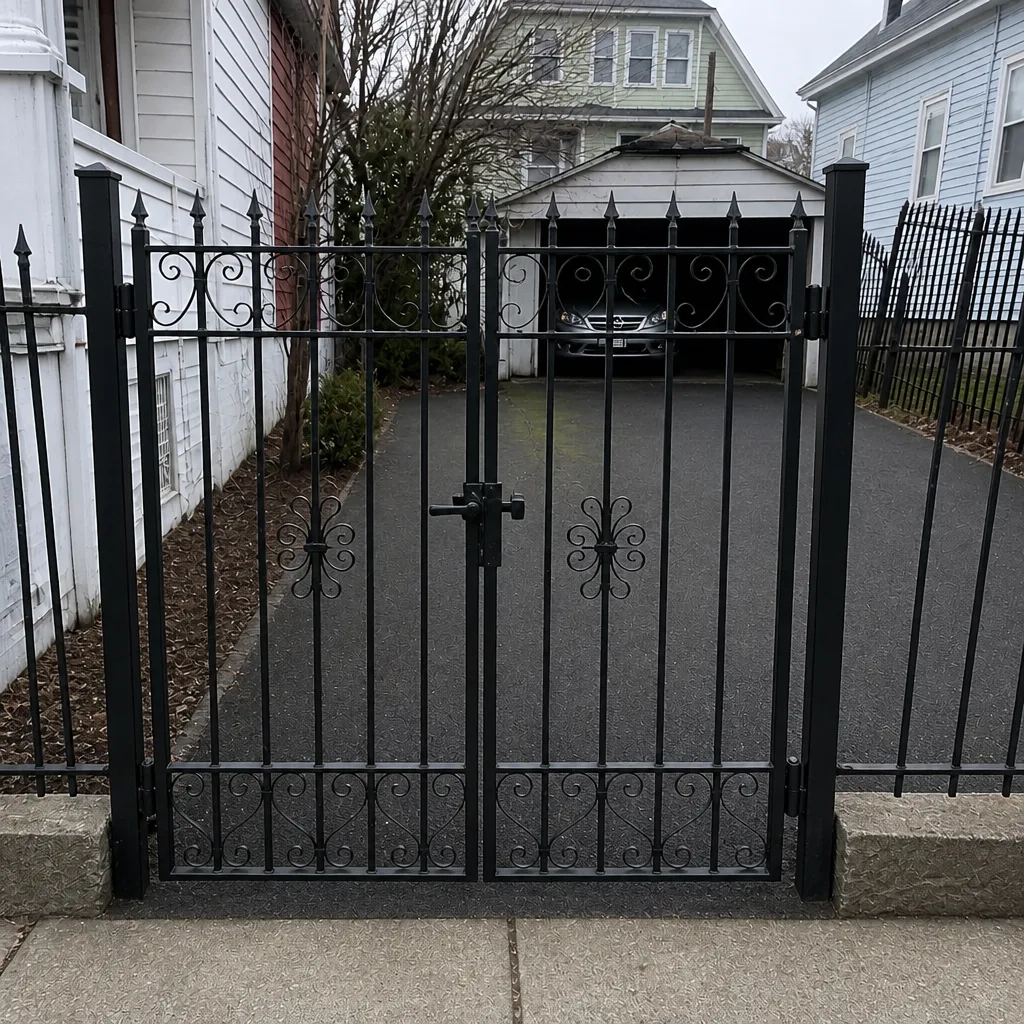
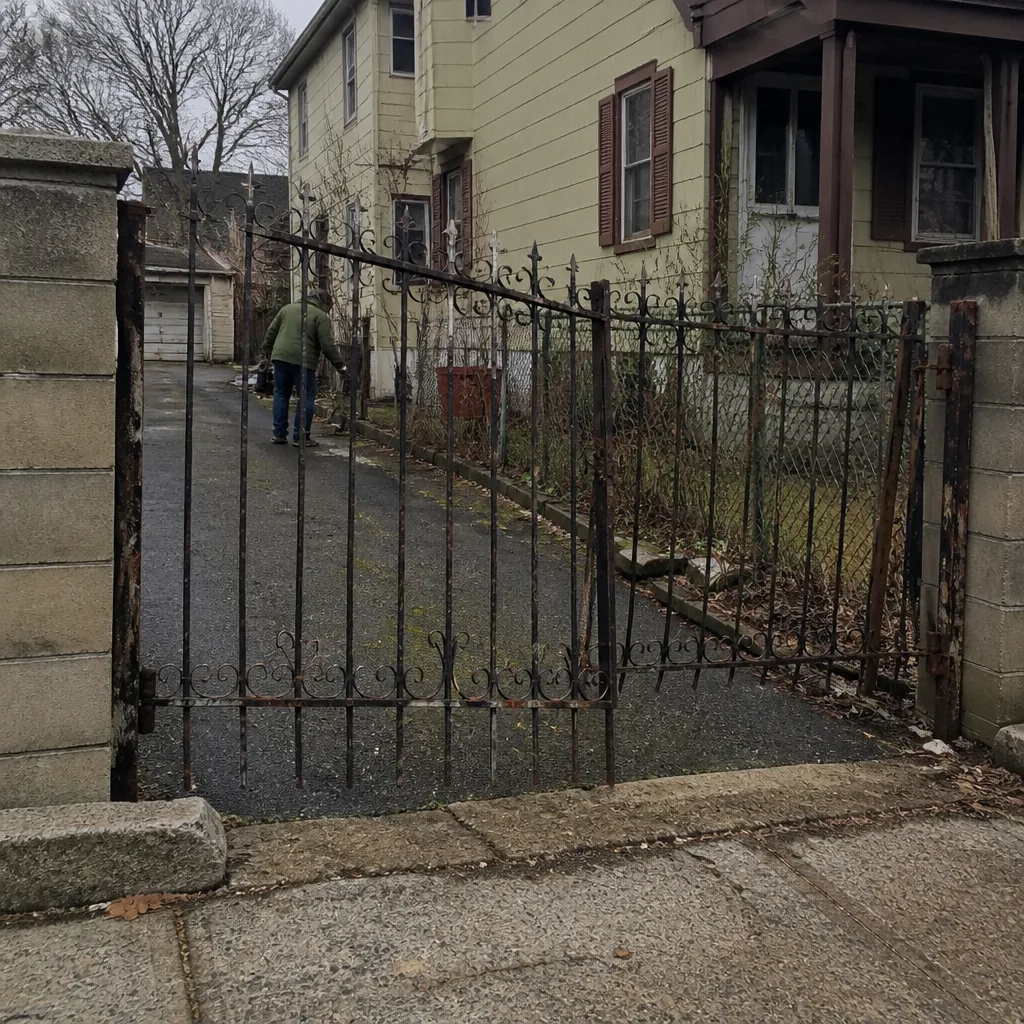
See the difference
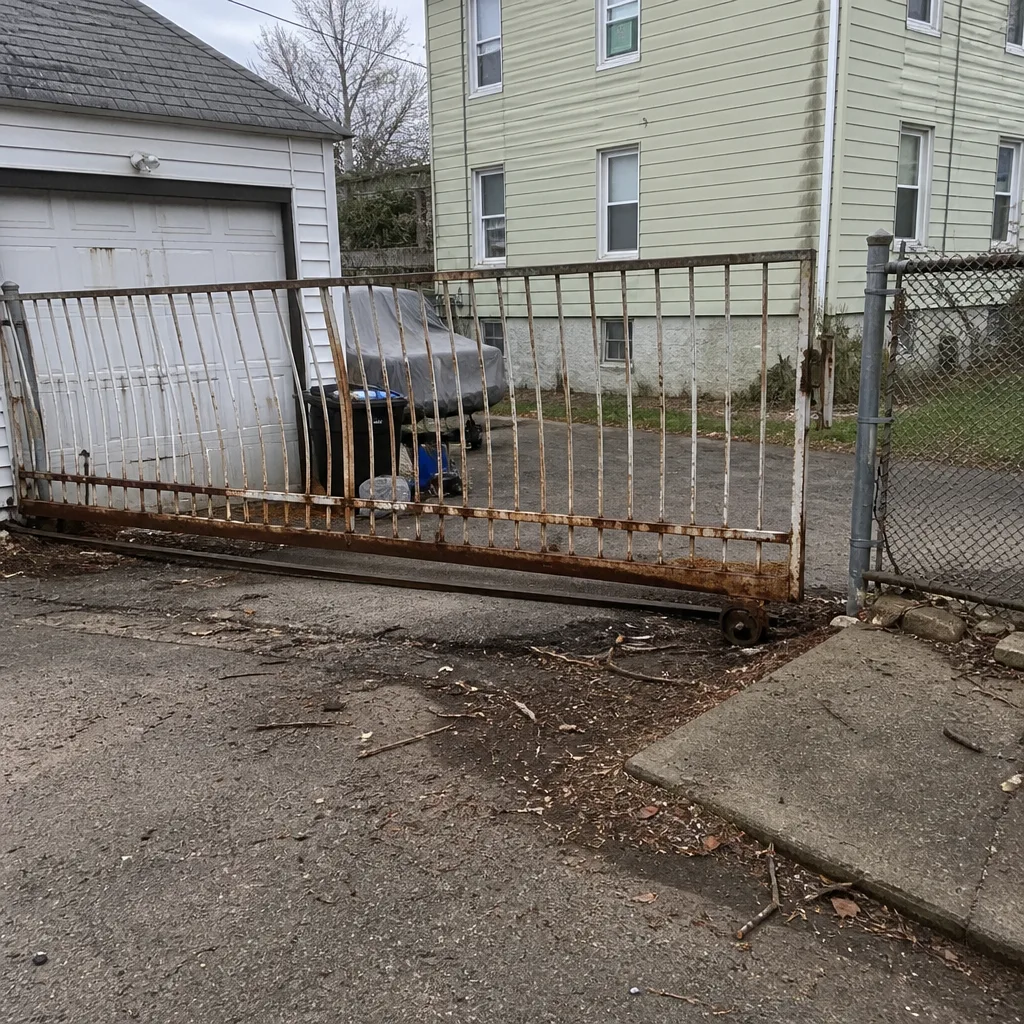 Before
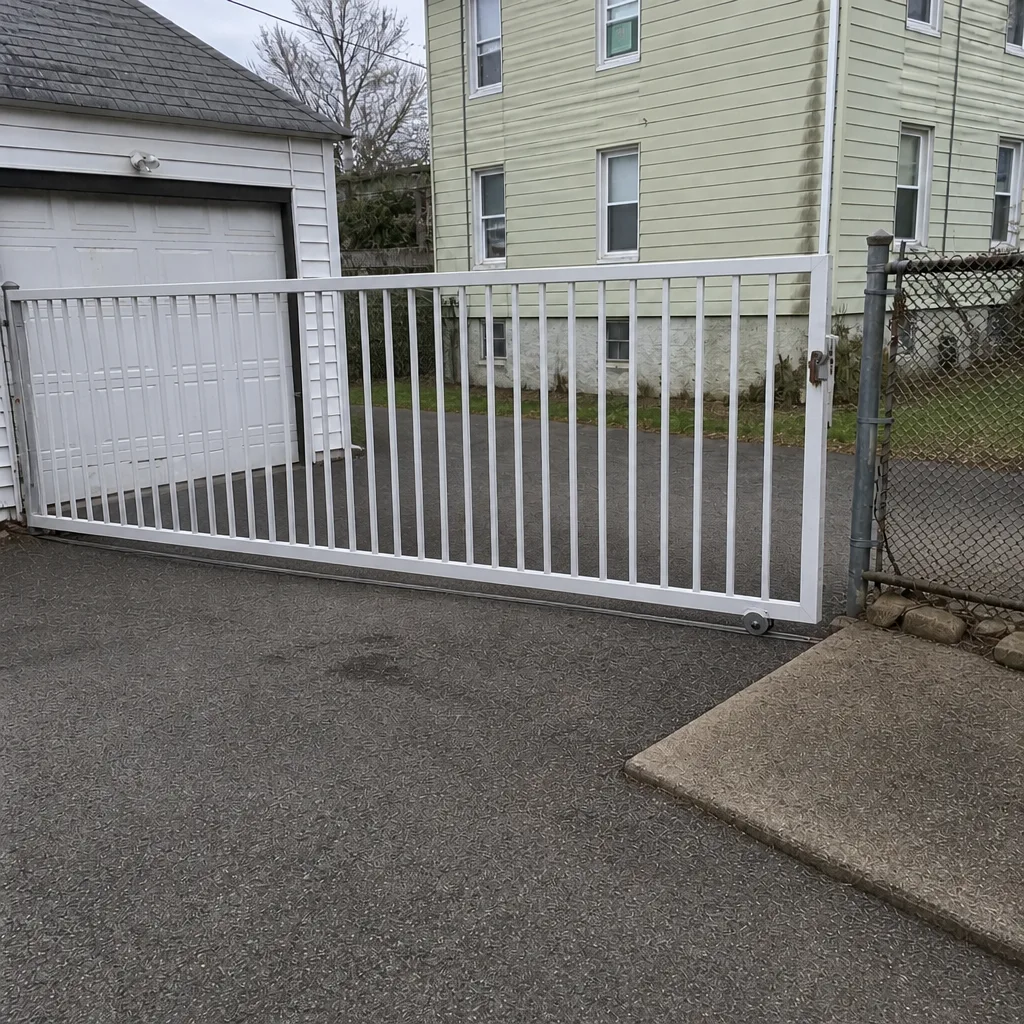 After
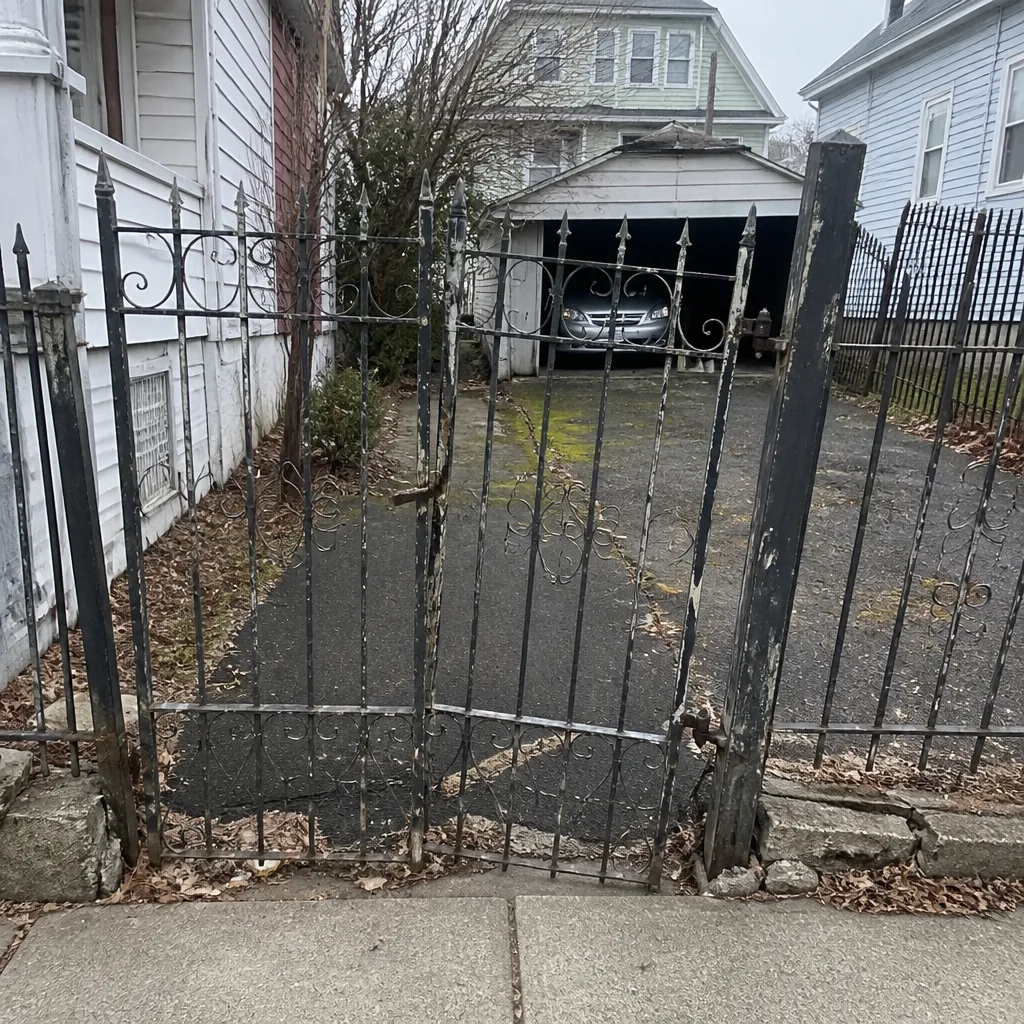 Before
 After
 Before
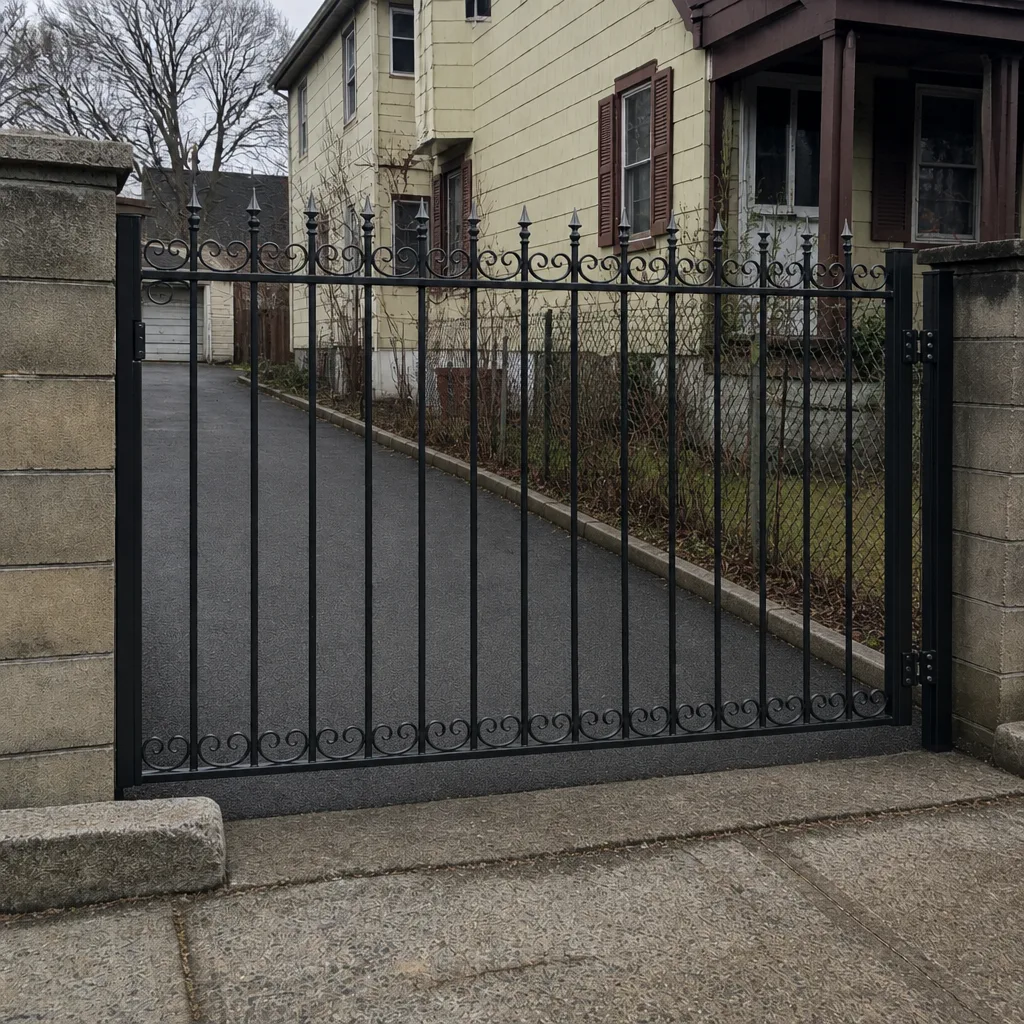 After
Frequently Asked Questions
Usually not. Repairing a hinge, latch, track, roller, or re-hanging a gate that’s out of alignment is typically maintenance and doesn’t require a permit in Paterson. If the work involves new electrical wiring, a new gate, new posts, or a new powered operator where none existed, a permit is typically required. Call the Paterson building department with the scope before work starts and they’ll tell you which side of the line you’re on. Call (833) 946-4320 for a free estimate – we’ll help you sort out what’s likely and what isn’t.
Yes, in most cases. Installing an electric gate operator where none existed, running new electrical service to a gate, or changing the disconnect typically requires an electrical permit in Paterson. Replacing a failed operator with the same model on existing wiring often doesn’t, but this depends on the local interpretation of the scope. Call (833) 946-4320 to talk through your specific situation – estimates are free.
Generally, yes. New Jersey homeowners can usually pull permits for work on their own residence, and Paterson follows that principle. The trade-off is that the permit record ends up in your name, which complicates things if the contractor’s work fails inspection or the contractor becomes unreachable. A licensed contractor pulling the permit shifts that responsibility to them. Both paths work; the key is agreeing in writing before work starts. Call (833) 946-4320 to discuss what makes sense for your project.
The inspector is checking entrapment protection under UL 325. That means primary reversing sensitivity from the operator, at least one external safety device (photo eye, safety edge, or equivalent), correct placement and aim of the devices, a manual release and disconnect, proper grounding and wiring, and the required warning signage. A gate with a misaligned photo eye or missing safety edge will usually fail. Call (833) 946-4320 for a free estimate if your gate needs attention before inspection.
Yes, especially on corner lots and properties near schools. Paterson zoning restricts the height of gates and fences in certain sight-line zones, and those restrictions can be stricter than the general rules for the property. A gate that’s fine in the middle of a block can fail on a corner. Check with the Paterson zoning or building office before installing or raising a gate. Call (833) 946-4320 for a free estimate on the gate work once the zoning question is settled.
Longer than a repair, because permits and inspections are scheduled. A straightforward operator install with an electrical permit typically runs several weeks from application to inspection, depending on the building department’s current schedule. Your written estimate sets the price, and the timing depends on the review calendar. If you’re on a deadline – a sale, a rental turnover, a commercial opening – call (833) 946-4320 early so we can plan around it.
The Bottom Line
Most gate work in Paterson doesn’t need a permit. What does need one is specific, and it’s usually the work that touches electrical wiring, structural posts, or new construction – not a hinge replacement. Corner lots and properties near schools carry extra zoning considerations. New electrical work for an operator almost always needs an electrical permit, and an inspector reviewing a powered gate will look for entrapment protection, reversing sensitivity, safety devices, and proper signage under UL 325. Pulling the permit yourself is legal but shifts responsibility to you if the work goes sideways. The safest path is to know which category your job sits in before anything starts, and to work with someone who handles this kind of project regularly. If we can help, call (833) 946-4320 for a free estimate. We answer 24/7. Fast dispatch from 7am to 7pm, Sunday through Friday.
When it’s time to get the work done, whether it’s a repair that doesn’t need a permit or an installation that does, Gate Repair Paterson is a gate-only specialist. We work on the operator brands we know – LiftMaster, FAAC, Elite, Mighty Mule, and more – and we’ll tell you what the job needs, in plain terms, before you commit. One company from broken gate to brand-new operator.
Written by the team at Gate Repair Paterson.