
Last updated November 15, 2026
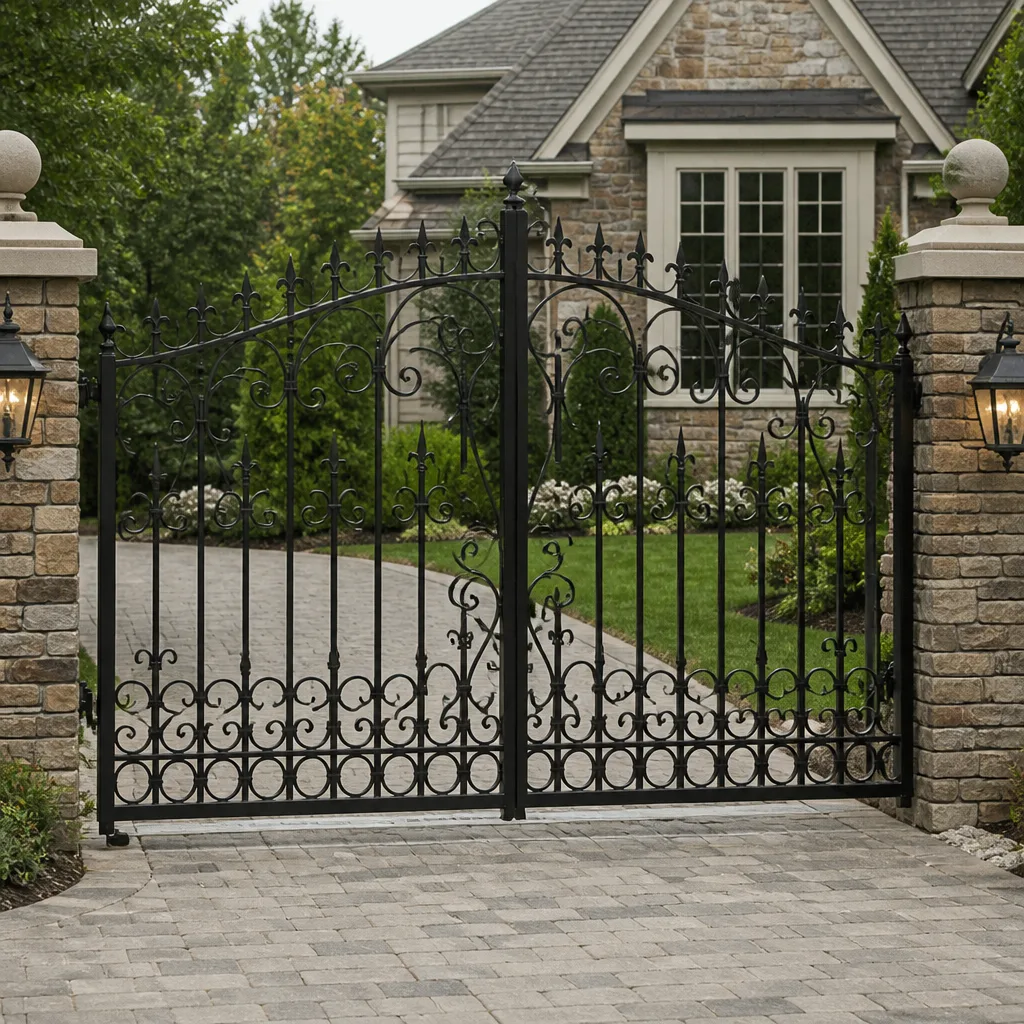 Wrought iron
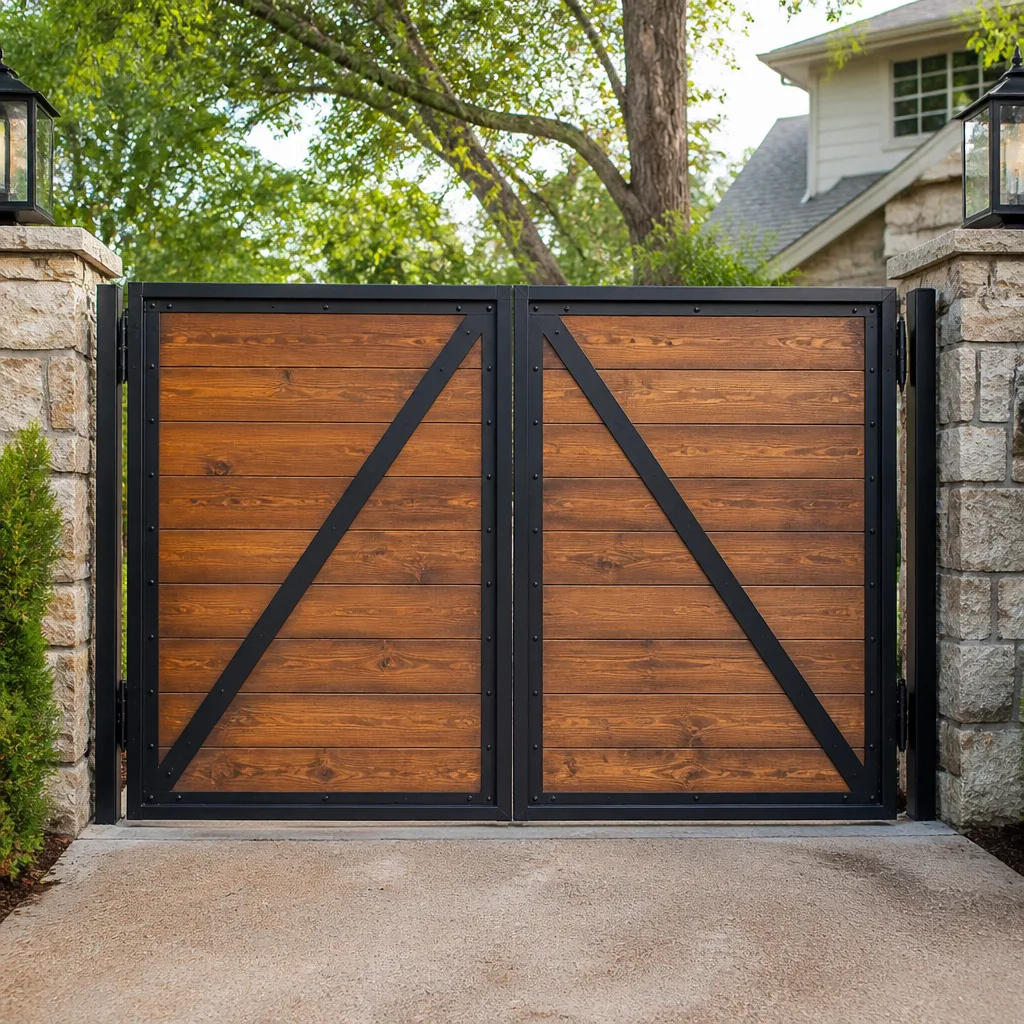 Wood & steel frame
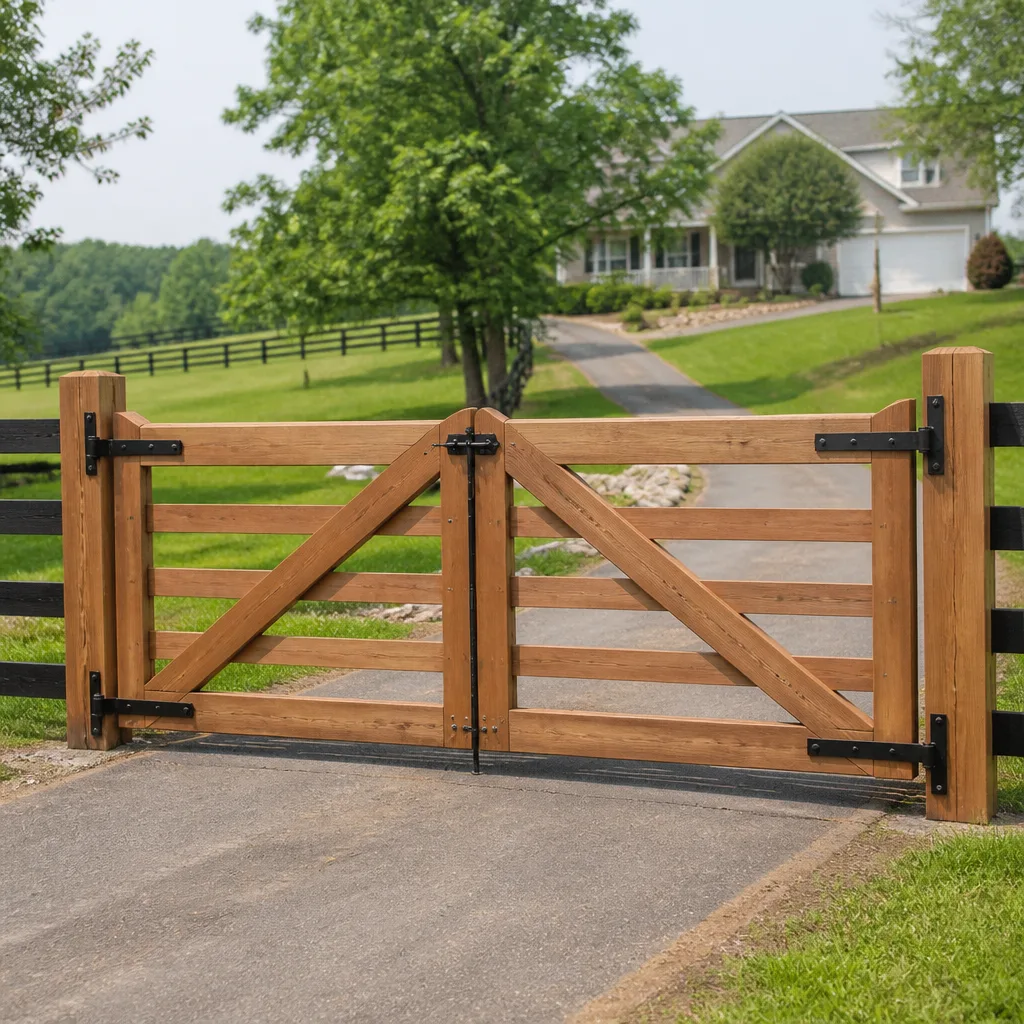 Farm & ranch
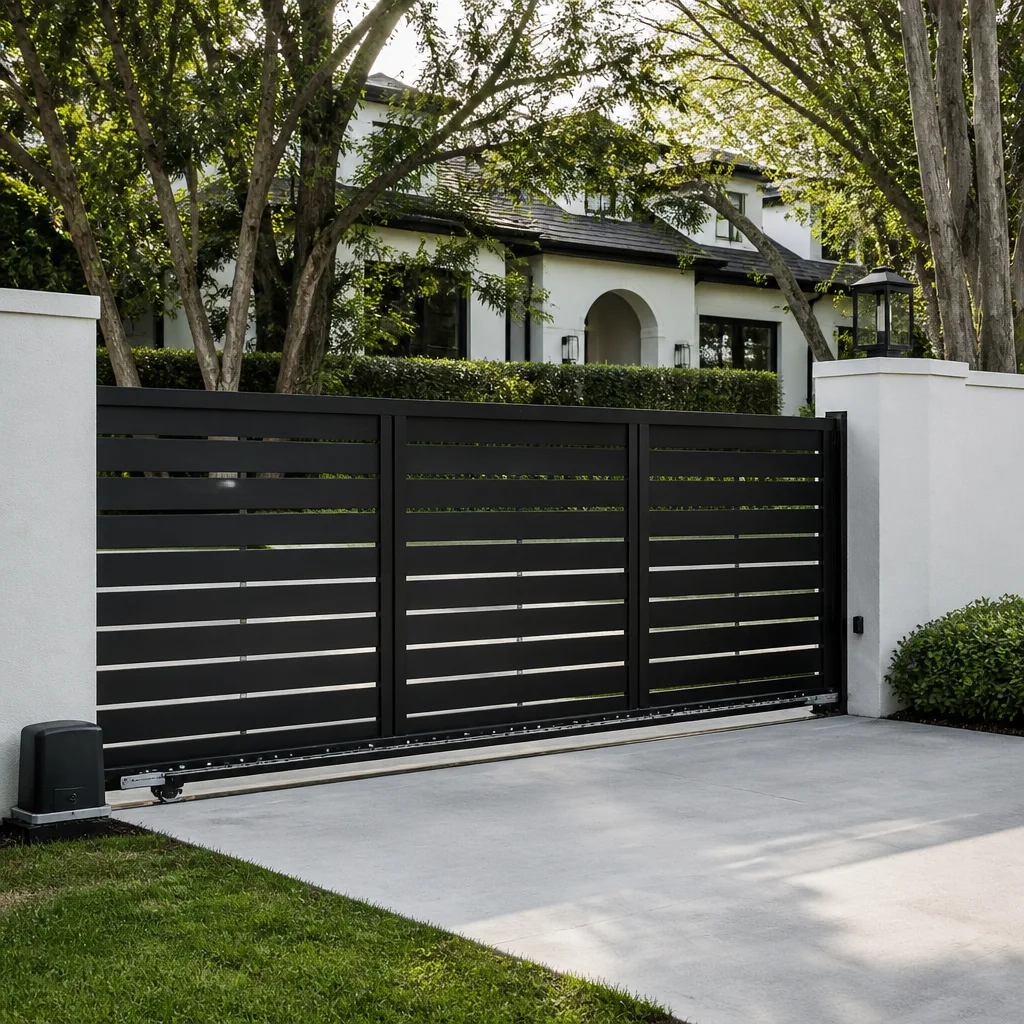 Sliding driveway gates
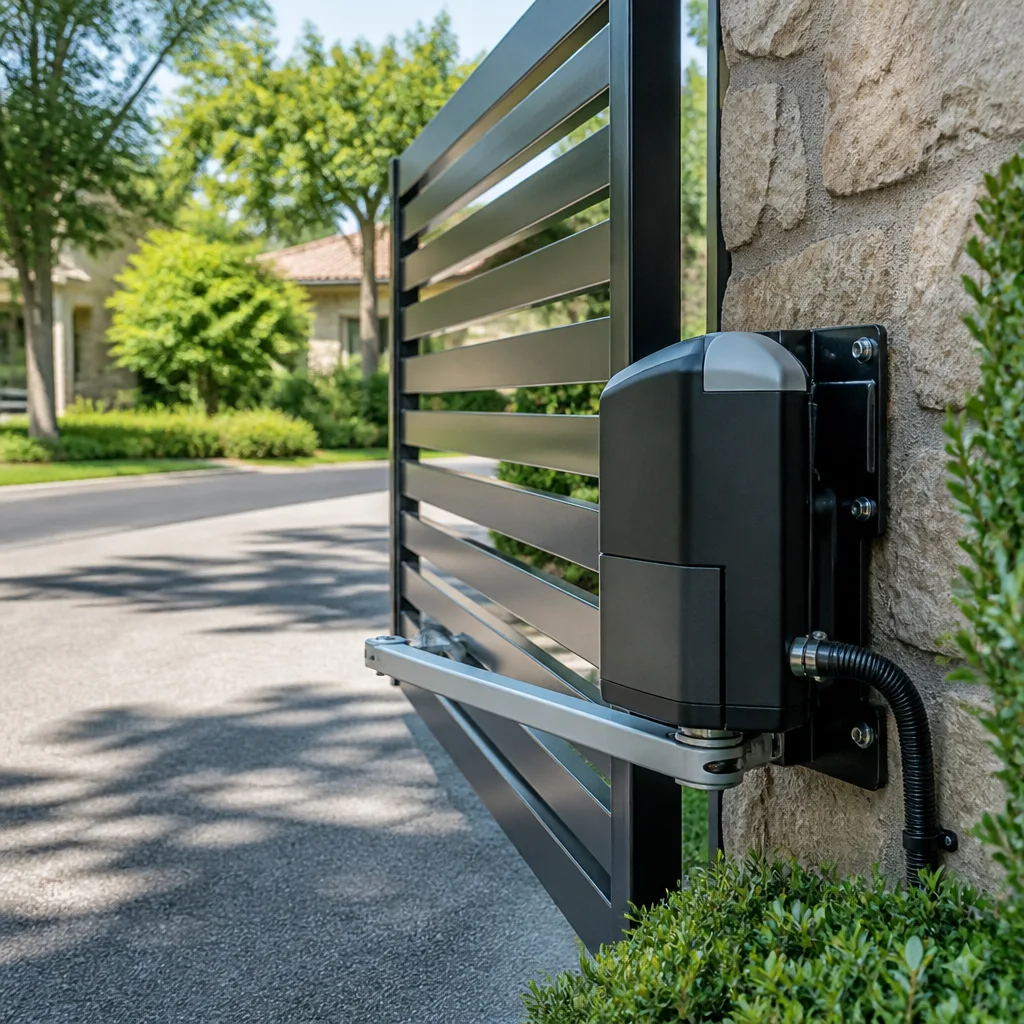 LiftMaster operators
Free on-site gate assessment - hinges, posts, and your LiftMaster or Nice gate operator checked before anything is quoted
The assessment is free and the quote is the invoice.
Get your free estimateHow to Hire a Gate Repair Contractor in Paterson: A Step-by-Step Guide
Ask a contractor to name the difference between a linear actuator and a hydraulic swing operator, and watch what happens. If the answer comes slow, or comes wrapped in generalities, you’ve learned more in ten seconds than a website will tell you in ten minutes. Most gate problems in Paterson don’t get misdiagnosed because the homeowner skipped a license check. They go wrong because a garage-door company or a general fence contractor took the call, treated the operator as a side job, and started swapping parts before understanding the machine. This guide teaches you to screen for genuine gate specialization before anyone shows up at your property: the technical questions that separate specialists from generalists, what New Jersey licensing actually covers, how to read an estimate line by line, and the warranty language to insist on.
Quick Answer
To hire a gate repair contractor in Paterson, verify the New Jersey Home Improvement Contractor (HIC) registration first, then screen for gate-specific technical knowledge by asking about operator types, brand-specific failure points, and control board diagnostics. Insist on a written estimate with itemized parts and labor, and confirm that both labor and parts carry a stated warranty of at least 90 days. A contractor who can’t answer operator questions without hesitation, or who can’t name the brands they actually service, is not a gate specialist.
Styles & brands we work with
- Wrought iron
- Wood & steel frame
- Farm & ranch
- Sliding driveway gates
- LiftMaster operators
Table of Contents
- Why Gate Specialization Matters More Than a License Number
- What New Jersey Licensing Actually Covers for Gate Work
- The Technical Interview: Questions That Reveal a Specialist
- The “We Work on All Brands” Red Flag
- How to Read a Gate Repair Estimate
- Warranty Language You Should Insist On
- Red Flags Before, During, and After the Visit
- Questions Specific to Paterson Properties
Why Gate Specialization Matters More Than a License Number
A general contractor can hold every credential in New Jersey and still misdiagnose your gate. That’s the part homeowners miss. Licensing proves someone met a baseline; it says nothing about whether they understand the difference between a BFT sliding operator’s limit switch and a Linear swing operator’s potential false reverse. Those are different machines with different failure patterns, and the wrong diagnosis costs you a parts swap that doesn’t fix anything.
Here’s how the mistake usually plays out. A gate stops mid-travel or reverses without warning. A generalist arrives, sees the symptom, and replaces the most visible component: a battery backup, an actuator, sometimes an entire control board. The gate works for a week. Then it fails again, because the real fault was a misaligned safety edge, a failing loop detector, or a control board that was never the problem. You’ve paid for parts you didn’t need, and the underlying issue is still there.
Gate work in Paterson spans an unusual range. The city has dense residential blocks where swing gates guard driveways and side yards, mixed with small commercial and multi-unit properties running slide gates with loop detectors, intercom wiring, and multi-brand operators. A contractor who also installs decks and garage doors, and treats gates as a fourth category, can’t hold that much equipment knowledge at working depth. When we work on a specific brand, we work on that system’s known failure points and programming sequences, because gates are all we do.
Specialization also matters at the installation end. When a gate is beyond repair, a specialist can move you from broken gate to new operator without sending you to a different contractor who has to start the diagnosis over. That continuity is worth real money, and it’s something a multi-trade shop simply can’t offer.
What New Jersey Licensing Actually Covers for Gate Work
In New Jersey, residential gate repair and installation falls under home improvement contracting, which means the baseline credential is a Home Improvement Contractor (HIC) registration with the New Jersey Division of Consumer Affairs. Ask for it before anything else. It’s the floor, not the ceiling, but a contractor who can’t produce it shouldn’t be on your property.
Here’s what the registration actually gets you:
- A registered business identity. The registration ties to a specific business, so you can confirm who you’re actually hiring rather than a name on a magnet.
- Access to the state’s complaint and recovery process. The registration framework exists partly so homeowners have a path if work goes wrong.
- A paper trail for your own records. Keep the registration number with your estimate and contract.
What it does not get you is proof of gate expertise. The registration doesn’t test anyone on operator diagnostics, control board programming, or safety sensor alignment. That’s why the technical interview in the next section matters so much: licensing screens out the unregistered, but only questions screen out the unqualified.
Electrical work is a separate question. Electric gate operators involve line voltage and low-voltage control circuits, and a gate contractor should be able to explain how they handle the power side of the work. Ask directly. A specialist will tell you what they handle and what needs a licensed electrician. A generalist will wave the question away. If your gate shares power with a lighting circuit or an intercom, or the run looks modified, a quick call to the Paterson building department can confirm whether a permit is expected. Most cities require a permit for this kind of electrical tie-in, so it’s worth asking rather than assuming.
Safety belongs here too. Gate operators carry real force. An improperly set reverse sensor or a missing safety edge is a genuine hazard, not a technicality. A contractor who skips sensor testing after a repair has left a dangerous machine behind. Insist that safety devices are adjusted and tested before the invoice is signed.
The Technical Interview: Questions That Reveal a Specialist
You don’t need to be a technician to run this conversation. You need to know what a confident, specific answer sounds like. Ask these questions before you book a visit, ideally by phone. A specialist answers without hesitation; a generalist stalls, generalizes, or pivots to scheduling.
- “What’s the difference between a linear actuator and a hydraulic swing operator?” A correct answer distinguishes the two as fundamentally different drive mechanisms with different maintenance profiles and failure modes. Hydraulic units involve fluid and pressure; linear actuators are electromechanical. A vague answer here is the single clearest sign you’re talking to a generalist.
- “Which gate brands do you actually work on, and which do you know the control board programming for?” Listen for named brands and specific knowledge. If the answer is “all of them,” push harder: “Which brand’s operator do you find hardest to program?” A specialist has an opinion.
- “My gate reverses without hitting anything. What would you check first?” A good answer walks through safety edges, loop detectors, and limit settings in order, rather than jumping straight to the control board.
- “How do you test the safety reverse after a repair?” A specialist describes a physical test on the sensors. A generalist changes the subject.
- “Do you handle the loop detector and intercom wiring, or do you sub that out?” If automation access work is a core service, the answer comes quickly. If it’s an add-on, you’ll hear hesitation.
One more: ask what brand of operator is currently on the gate, and whether they’ve worked on that exact model before. We service LiftMaster, FAAC, BFT, Linear, Viking, Ghost Controls, DoorKing, Elite, and Mighty Mule systems, and each one has its own known failure points. For example, a Linear swing operator and a Ghost Controls residential unit behave differently when the control board starts failing, and knowing those differences shortcuts the guesswork. A specialist will tell you what they typically see on your brand. A generalist will tell you they’ll “take a look.”
If your gate is electric, you can also walk through electric gate repair before you call, so you know the vocabulary. Knowing what a control board, limit switch, and safety sensor actually do makes the interview easier and the answer easier to judge.
The “We Work on All Brands” Red Flag
Every gate contractor claims to work on all brands. Most can’t prove it. The claim is safe because it’s unverifiable in a phone call, and it costs nothing to make. The trouble starts when the job requires brand-specific diagnostics: proprietary programming sequences, dealer-only parts, or a control board that needs a specific configuration after replacement.
Here’s how to push past the slogan:
- Ask for specific model experience. “Have you programmed a DoorKing slide operator?” is a different question from “do you work on DoorKing?” Listen for details about programming quirks, not just brand names.
- Ask where the parts come from. A specialist knows which brands use proprietary components and can tell you whether a part is on the shelf or has to be ordered.
- Ask about known failure points. Every brand has them. “What typically fails first on a Viking slide operator?” is a question only real experience answers well.
- Look for dealer authorization or factory training. A real brand relationship leaves a paper trail. If a contractor claims dealer status, ask to see it.
- Watch for the pivot. “We work on all brands” followed by a description of a general repair approach is a soft signal that you’re talking to a generalist.
Gate repair in this city is broad enough that specialization still matters. Eight brands cover most of what we see, and the difference between servicing them well and servicing them superficially is preparation. If your operator is a model we’ve serviced before, we know the shortcuts. If it isn’t, we say so before the visit, because that’s the honest answer.
How to Read a Gate Repair Estimate
A competent gate repair estimate is itemized. It lists parts by name, labor by task, and the warranty terms. A vague estimate hides the markup, and it hides the diagnosis. If you see a single line that says “gate repair – $X,” ask for the breakdown before you approve it.
Here’s what each line item should tell you:
| Line Item | What It Should Say | Why It Matters |
|---|---|---|
| Diagnosis | The specific fault and how it was confirmed | Shows the contractor understood the machine before quoting |
| Parts | Brand, model, and part name – not just “control board” | Lets you verify the part and spot a markup |
| Labor | Task-based, with an estimate of the work involved | Separates actual work from padding |
| Safety testing | A line confirming sensors and reverse function will be tested | Proves the contractor treats safety as part of the job |
| Warranty | Terms for labor and parts, stated separately | Protects you after the technician leaves |
The parts line is where inflated estimates hide. A control board has a known price, and a legitimate quote reflects the cost of the actual part plus a fair handling margin, not an arbitrary figure. If the parts line is a single lump sum that doesn’t name the component, ask for the specific part and its price before approving anything.
In our experience, the most useful thing you can do with an estimate is ask one question: “Can you walk me through how you arrived at this fault?” A specialist will explain the diagnostics in plain terms. A generalist will move the conversation back to price. The estimate should also state clearly that the price is quoted and agreed before any work begins, and that the written estimate sets the final number. Get that in writing.
You’ll also want to ask whether the estimate is free. Estimates from a reputable gate contractor should be, and the price should be set per job once the fault is understood. Be wary of anyone who won’t put the terms on paper.
Warranty Language You Should Insist On
A 90-day labor warranty is the industry floor, not a selling point. If a contractor offers less, or offers nothing, walk. You’re not asking for a favor; you’re asking for the standard that keeps a repair honest after the technician is gone.
Here’s the warranty checklist to take into the conversation:
- Labor warranty stated separately from parts. “Covered by warranty” is not enough. You want two clear terms, one for the workmanship and one for the part.
- Minimum 90 days on labor. That’s the floor. Anything above it is a reason to consider the contractor more seriously.
- Parts warranty terms in writing. Many brands carry their own manufacturer warranty, but you’re relying on the contractor to trace it when a part fails. Ask how that process works.
- What voids the warranty. Power surges, water intrusion, and unauthorized tampering are common exclusions. Know them before you sign.
- Warranty on the safety functions. If the contractor adjusted sensors or safety edges, that adjustment should be covered by the labor warranty.
Put it in writing. A warranty that exists only in conversation is not a warranty. Ask for a copy of the terms before the work starts.
One point specific to Paterson: older operators and aftermarket parts complicate warranty claims. Gate systems built around a discontinued control board can leave you with a part warranty you can’t exercise. A good contractor will tell you that upfront and let you decide whether a replacement is the better path. That’s the same reason we handle both gate repair and full installation, so a failing operator doesn’t turn into a contractor hunt.
Red Flags Before, During, and After the Visit
Some warning signs show up on the phone. Others show up in the driveway. Here’s what to watch for at each stage:
- Before the visit: no HIC registration, no written estimate, a pitch that leads with price instead of diagnosis, or a promise to “take a look and figure it out on site.”
- On the phone: hesitation on operator types, refusal to name specific brands, or a claim of dealer authorization you’re not allowed to verify.
- During diagnosis: no testing of the sensors after a repair, no explanation of what failed, or a parts recommendation that skips the diagnosis entirely.
- At signature: a contract with no labor warranty language, a lump-sum invoice with no itemization, or a request for full payment before the work is complete.
- After the visit: the gate fails again within a few days, and the contractor attributes it to a “separate issue” without a second diagnosis.
Most of these are avoidable with a phone call. The most common mistake we see in Paterson is hiring a garage-door company that lists gate repair almost as an afterthought, then paying for a parts swap that never touches the real fault. The second most common is accepting a verbal warranty on a control board that was never the problem. Screening on the phone costs you five minutes and saves you the second invoice.
Questions Specific to Paterson Properties
Paterson properties add a few wrinkles that a general contractor won’t anticipate. The city’s housing stock is older and varied, and gates on residential and small commercial properties often run alongside existing electrical, intercom, and access hardware that wasn’t installed at the same time as the gate. That matters for diagnosis.
A few questions to bring to the conversation:
- “Do you handle the power side, or do I need an electrician?” Electric gate systems draw line voltage, and the answer should be specific: what the contractor does, and where a licensed electrician comes in.
- “Can you work around an existing access system?” Loop detectors, keypads, and intercom wiring are common on Paterson gates. If those need to be preserved, the contractor should say so before the repair.
- “What happens if the gate needs replacing rather than repairing?” A gate specialist can handle the transition from repair to installation. A generalist can’t, and you’ll be hiring twice.
- “Do you know the permit requirements for this work?” Permits vary by scope, and the contractor should know when to ask the city rather than guess.
- “Can you show me the warranty in writing before we start?” It’s the single best test of how seriously a contractor treats the repair.
If your gate has been failing for a while, the questions change slightly. Repeated failures usually point to an underlying fault the last contractor never found. A specialist will start with a full diagnosis rather than replacing the same part again.
To understand the full range of what gate work covers in this city, it’s worth reading a bit about Paterson and how its gate systems vary block to block. Dense residential streets and small commercial properties tend to run different operators, and the brand knowledge that comes with servicing those systems is real.
Common Mistakes to Avoid
- Hiring on price alone. The lowest number usually means the thinnest estimate, and the thinnest estimate hides the parts markup. A detailed quote at a higher price is often cheaper than a vague one.
- Skipping the HIC registration check. It’s a two-minute verification and the single clearest signal that the business exists in the state’s records.
- Accepting “we work on all brands” as proof. Push for specific model experience and known failure points. A brand list without detail is a slogan.
- Approving a repair without an itemized estimate. “Gate repair – $X” on a page is not an estimate; it’s a placeholder. Ask for the parts line.
- Treating a 90-day labor warranty as a bonus. It’s the floor. Anything below it means the contractor isn’t confident in their own work.
- Letting a generalist handle an automated gate. Control boards, loop detectors, and safety sensors are where generalists get it wrong, and the failures repeat.
- Ignoring the safety reverse test. An improperly set safety edge or sensor is a hazard. Insist on a physical test before the technician leaves.
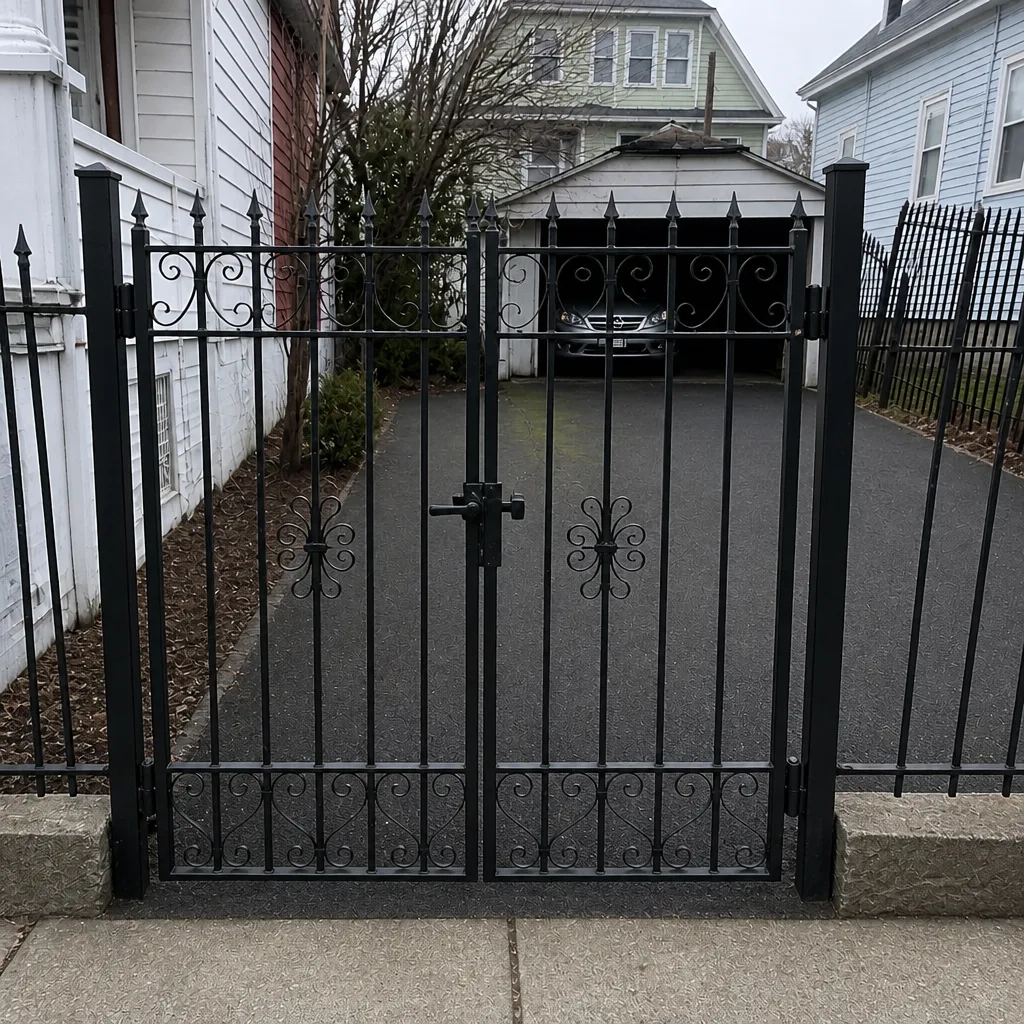
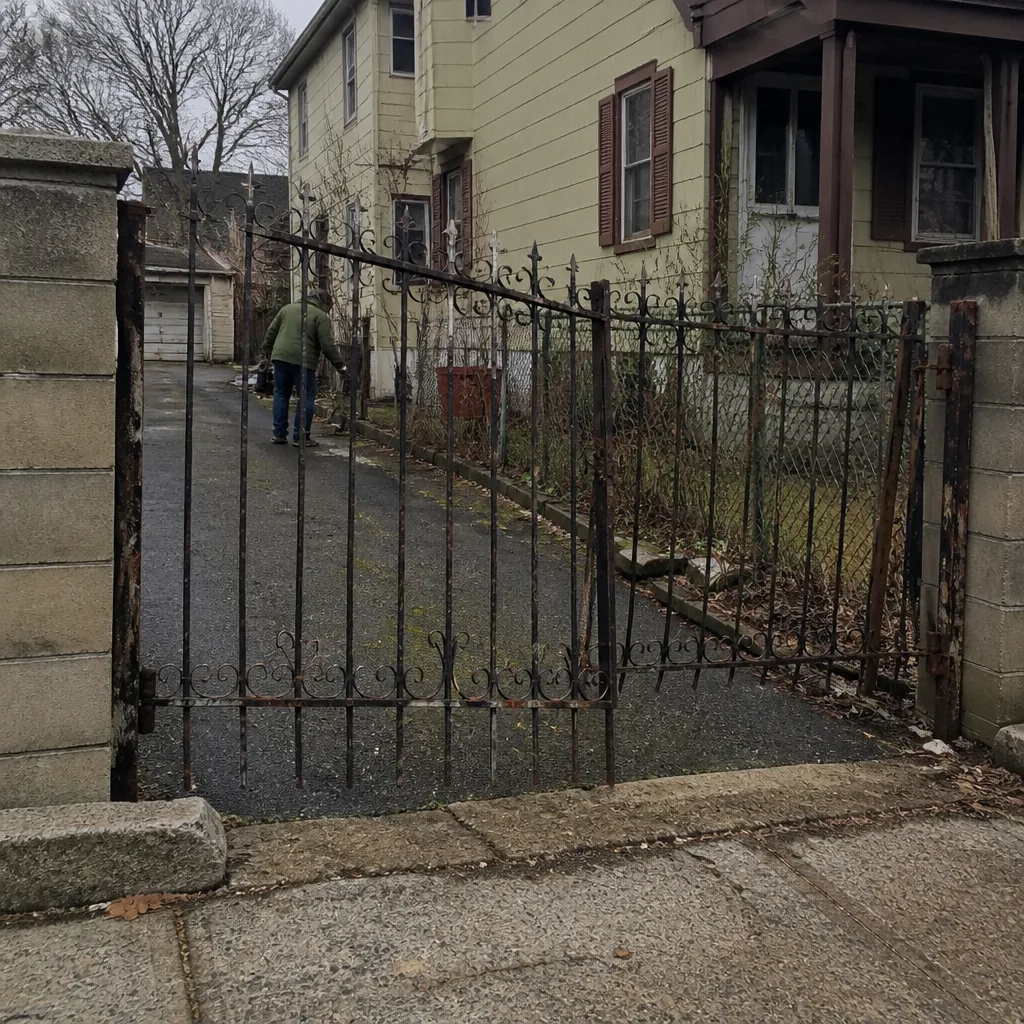
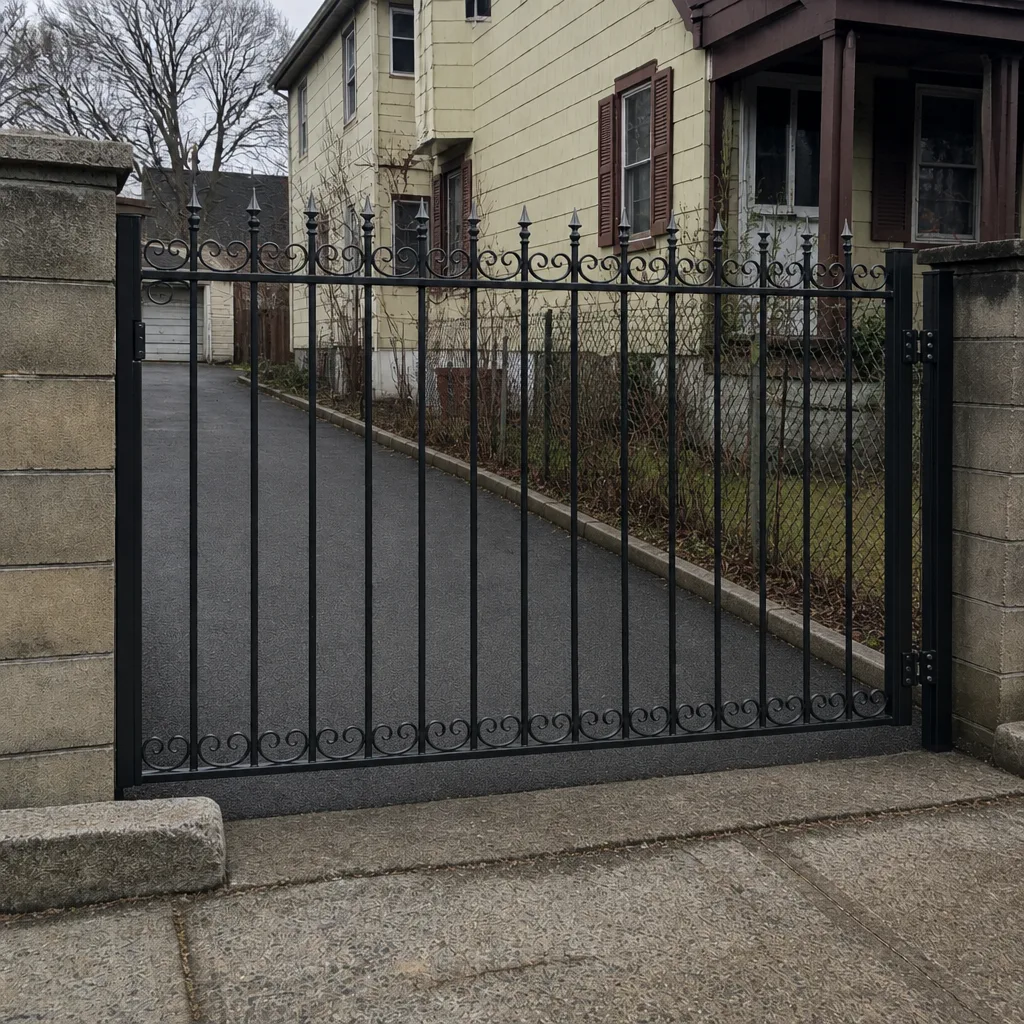
See the difference
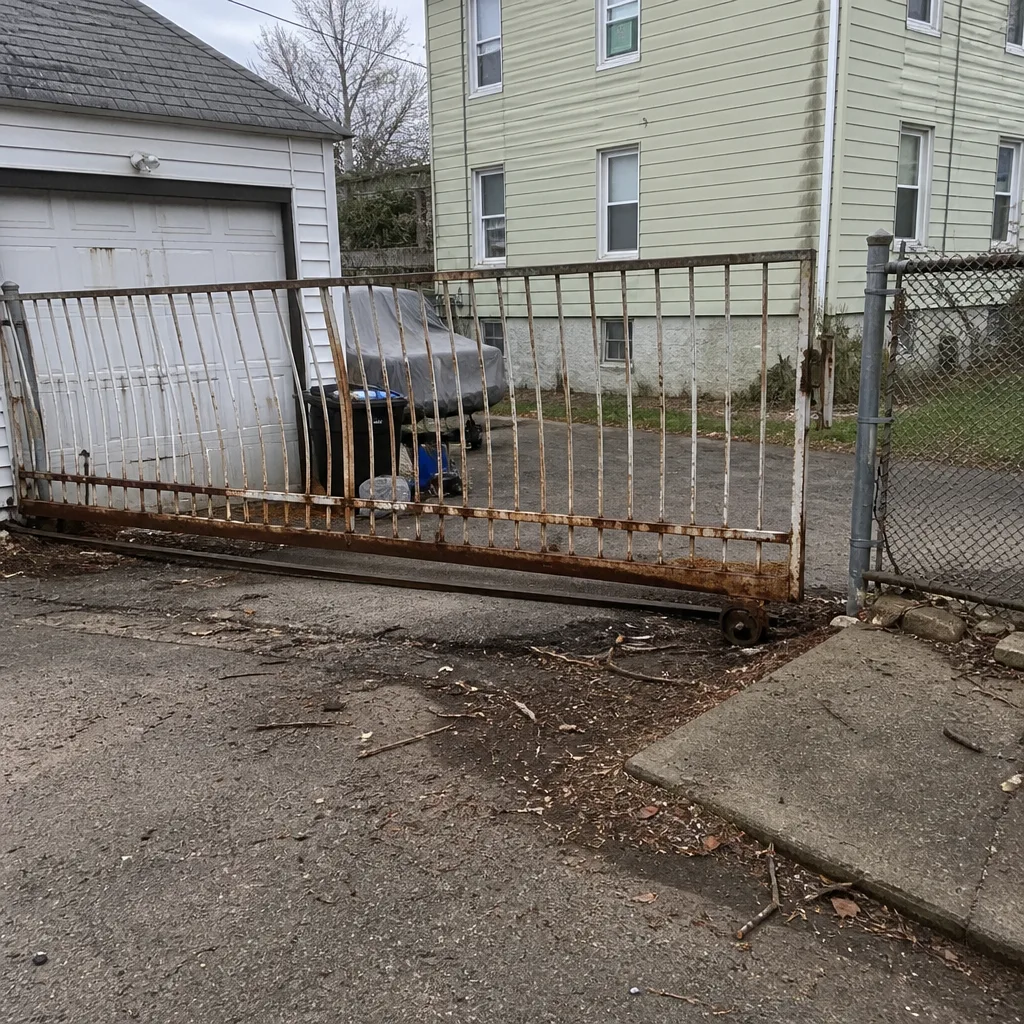 Before
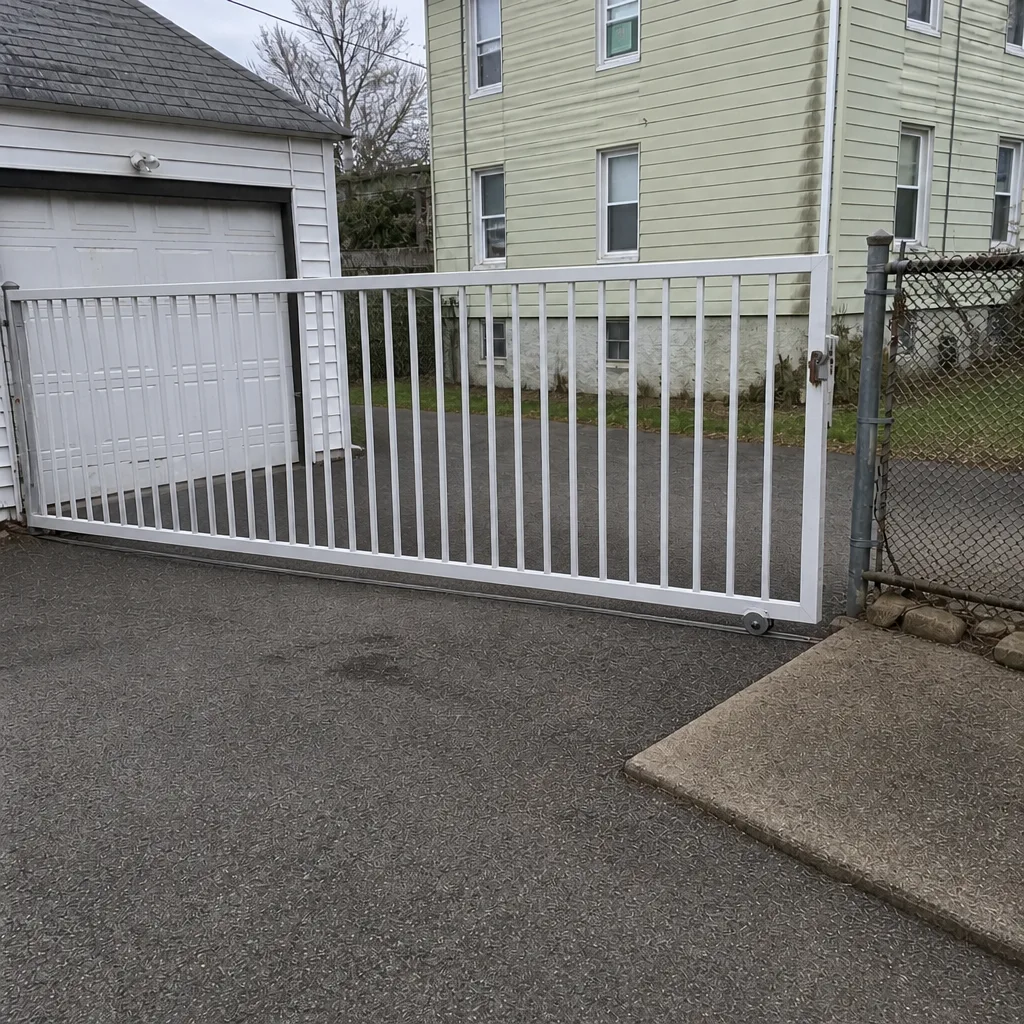 After
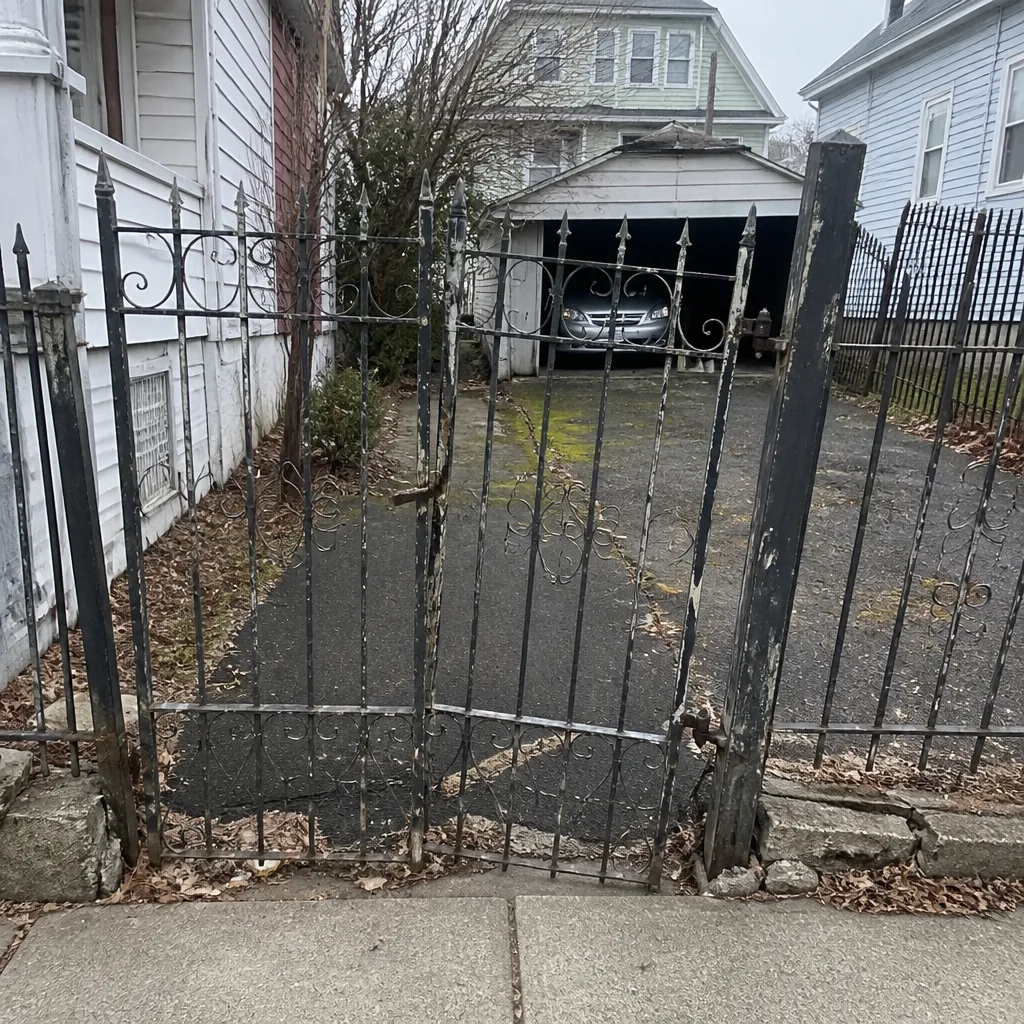 Before
 After
 Before
 After
When to Call a Professional
Some gate problems are worth a phone call; others are worth moving on quickly. If the gate reverses without obstruction, travels partway and stops, or fails to open at all, the fault is usually in the operator or a safety device, and it needs a technician who can run diagnostics. If the gate drags, sags, or scrapes, the issue may be mechanical, and repairs done without proper adjustment tend to come back. If you smell burning from the control housing, see exposed wiring, or the gate movement looks unstable, stop using the gate and call a professional; heavy gate panels and live wiring are not a homeowner diagnostic project.
Electric gate problems in particular deserve specialist attention. Control boards, loop detectors, and intercom wiring are exactly the work general repair services routinely turn away. Gate Repair Paterson offers free estimates in Paterson – call (833) 946-4320. Our technicians have up to 13 years of experience across manual and automated gate systems, and we can come out to diagnose the fault before you approve anything.
Call (833) 946-4320. We answer 24/7. Fast dispatch from 7am to 7pm, Sunday through Friday. Same-day service is available for many repairs.
Frequently Asked Questions
Yes, in most cases. Garage-door companies and general fence contractors treat gate operators as a secondary category, which leads to symptom-driven parts swaps rather than real diagnosis. A gate specialist works on operators and safety systems as a primary service, so the fault is identified before any part is replaced. If your gate is automated, this difference shows up fast.
A gate repair contractor working on residential property in New Jersey should hold a Home Improvement Contractor (HIC) registration with the Division of Consumer Affairs. That’s the baseline minimum for residential work. Ask for it before booking, and keep the registration number with your written estimate.
Ask which brands they work on and follow up with a specific model question, such as what typically fails first on that model. A specialist answers with details on failure points and programming. A generalist gives a brand list without substance. We service LiftMaster, FAAC, BFT, Linear, Viking, Ghost Controls, DoorKing, Elite, and Mighty Mule systems, and each has its own quirks, which is why a specialist’s answer sounds different.
A good estimate names the specific fault, lists parts by brand and model, separates labor from parts, confirms safety testing, and states warranty terms for both labor and parts. It should also confirm that the price is quoted and agreed before any work begins. If the estimate is a single lump-sum line, ask for the breakdown before approving it.
A 90-day labor warranty is the industry floor. Anything less, or a contract with no stated labor warranty, is a reason to look elsewhere. Ask for the terms in writing before the work begins, and ask what voids the warranty. A contractor confident in the repair will put both on paper.
Yes. Electric gate repair covers control boards, loop detectors, intercom wiring, safety sensor alignment, and motor replacement, which are the exact areas general repair services usually skip. If the gate needs a new operator, installation is part of the same service. Call (833) 946-4320 for a free estimate.
The Bottom Line
The right gate contractor in Paterson is a specialist first and a licensed business second, not the other way around. Check the HIC registration. Run the technical interview before you book: operator types, brand-specific failure points, safety sensor testing. Ask for an itemized estimate with named parts and separate labor, and get the warranty terms in writing with at least 90 days on labor. Then decide. If a contractor can name the machine on your gate, explain how the fault was diagnosed, and hand you a written estimate and warranty, you’ve found the right person. If the answer stalls on a question about a linear actuator versus a hydraulic operator, keep calling.
Call (833) 946-4320 for a free estimate on your gate repair. We answer 24/7. Fast dispatch from 7am to 7pm, Sunday through Friday. Start with Gate Repair Paterson and we’ll help you sort the diagnosis from the noise.
Written by the team at Gate Repair Paterson.