
Last updated November 15, 2026
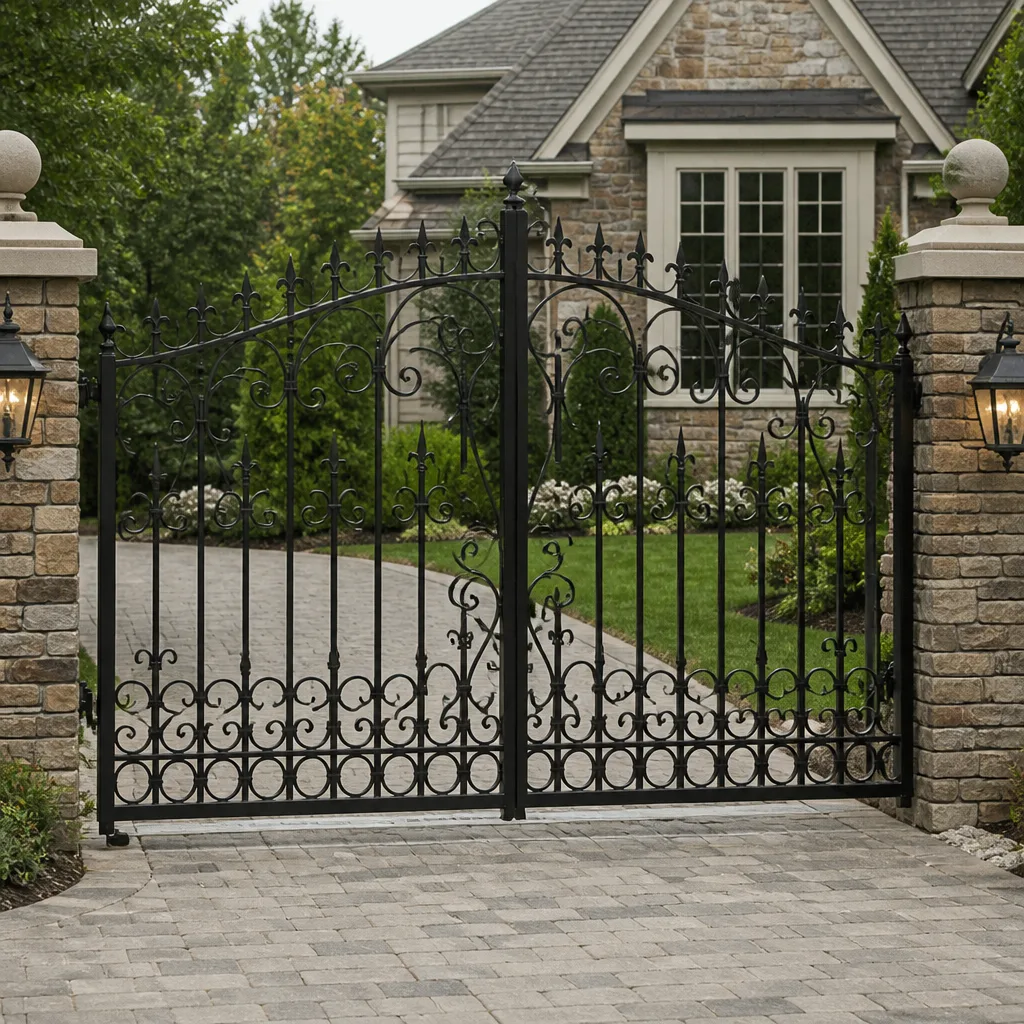 Wrought iron
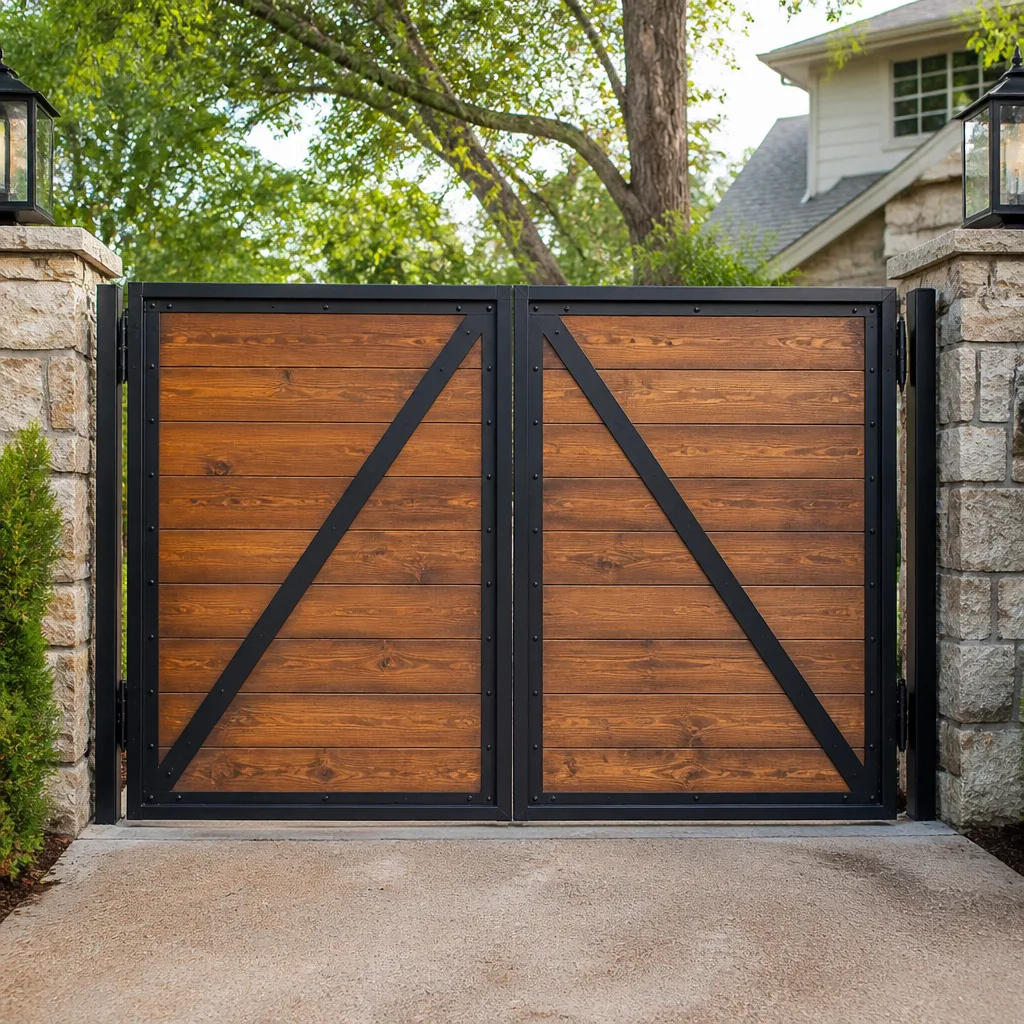 Wood & steel frame
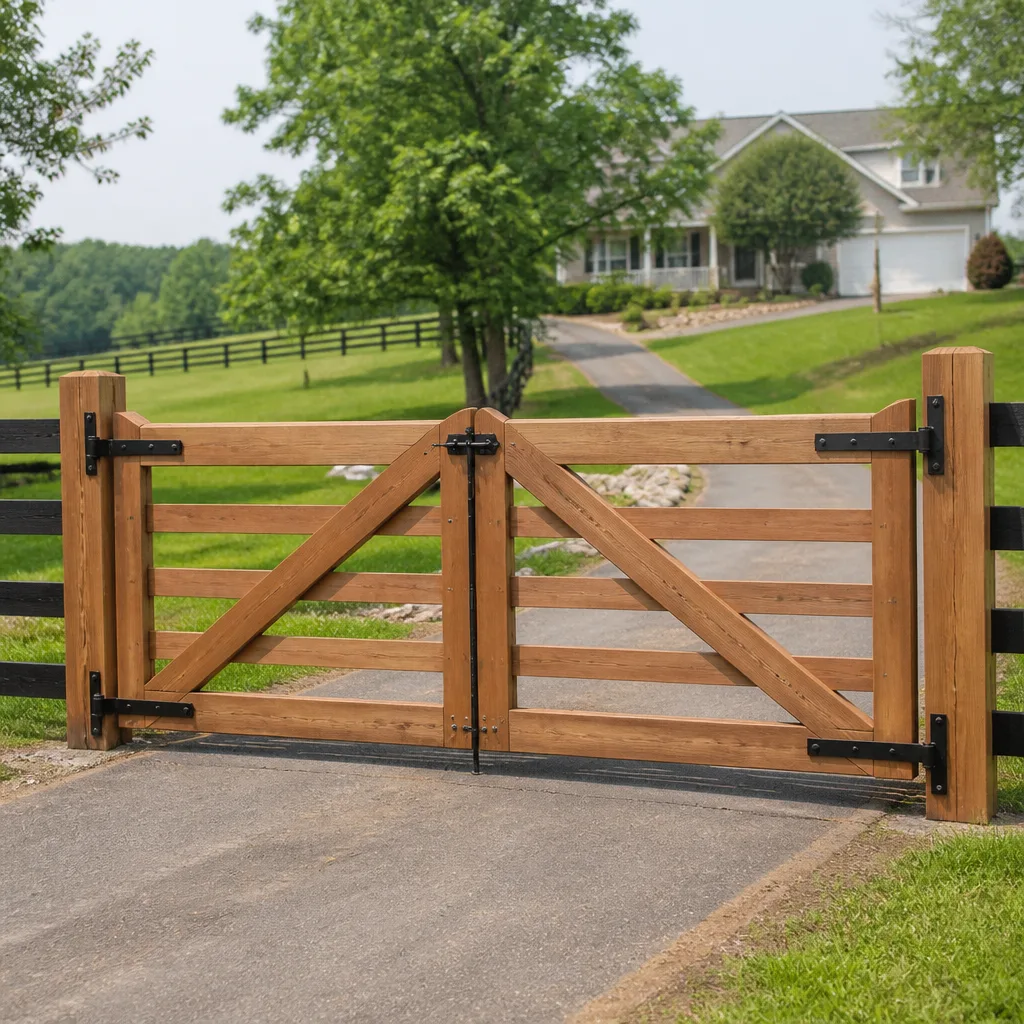 Farm & ranch
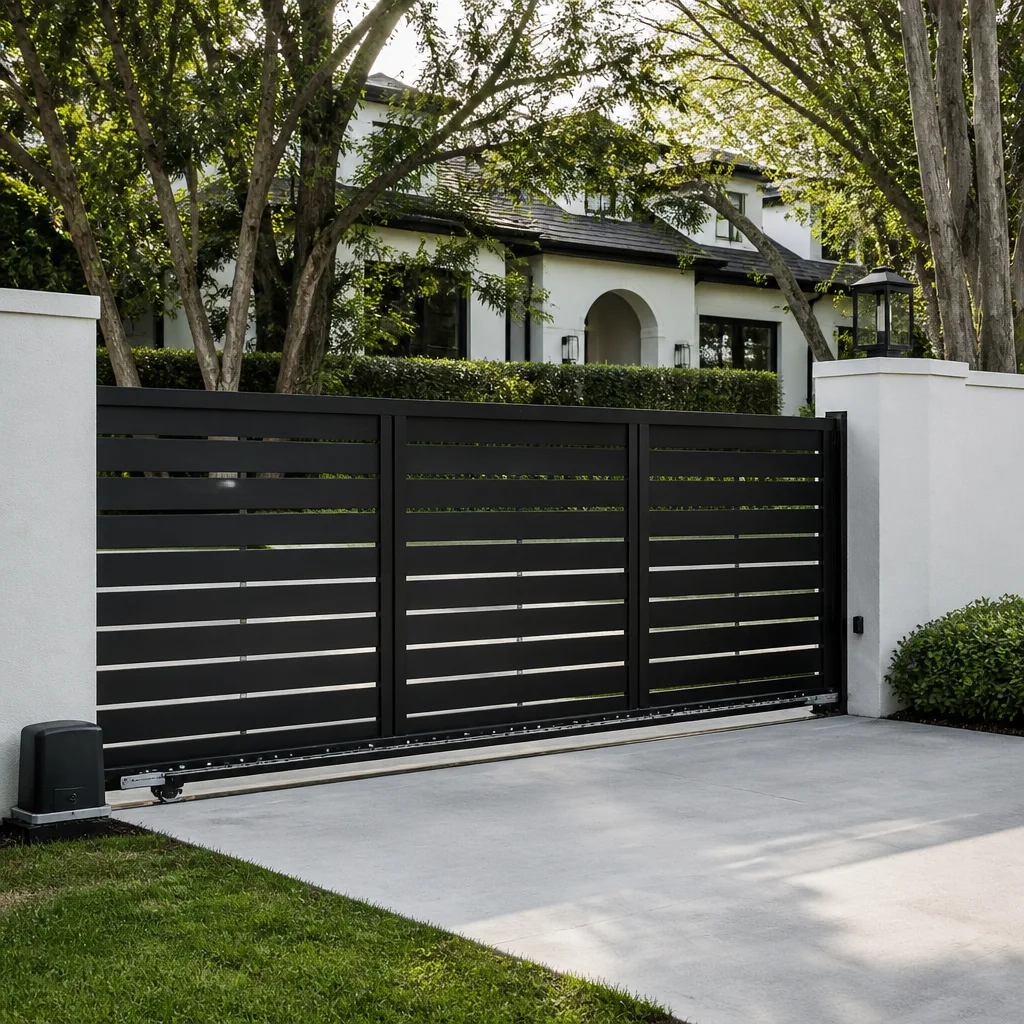 Sliding driveway gates
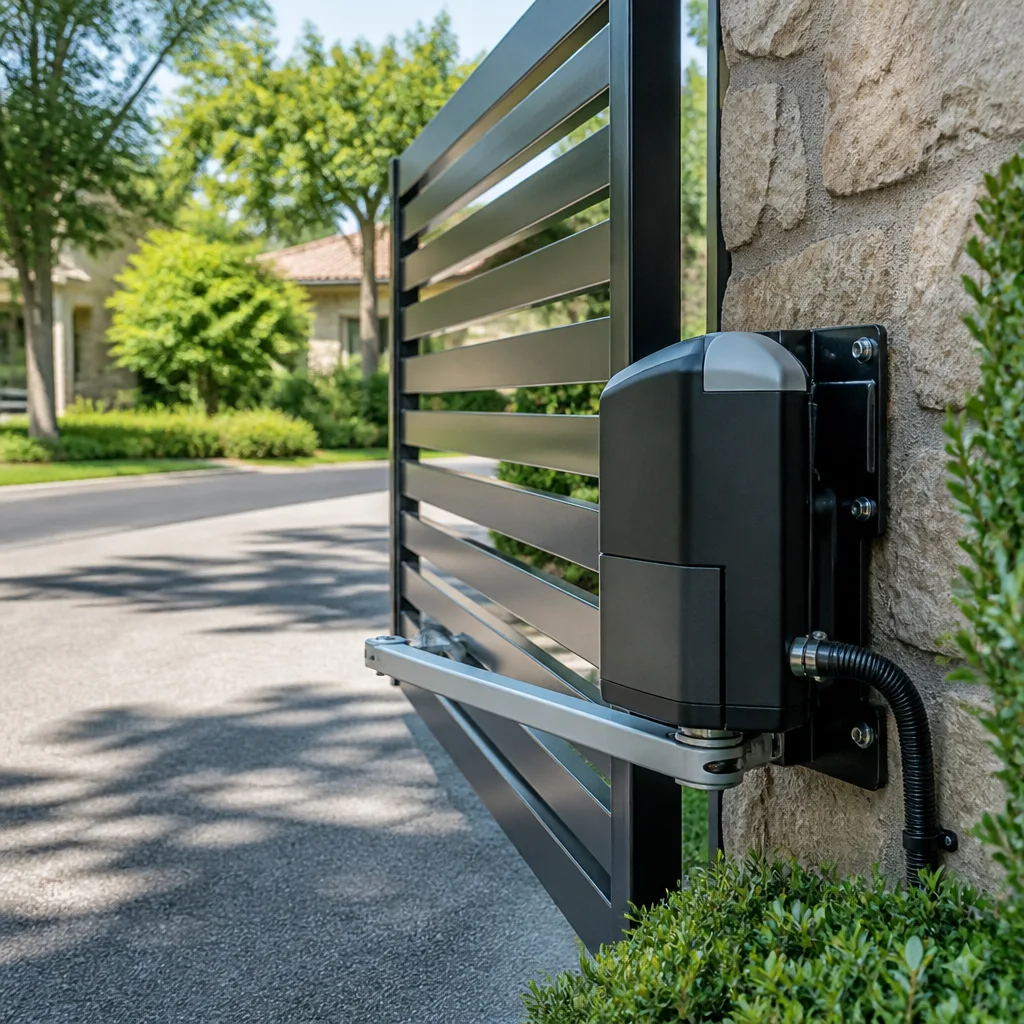 LiftMaster operators
Free on-site gate assessment - hinges, posts, and your LiftMaster or Nice gate operator checked before anything is quoted
The assessment is free and the quote is the invoice.
Get your free estimateChoosing the Right Gate Repair Brand: A Buyer’s Guide for Paterson
Most people assume the operator with the best reviews or the highest price tag is the one to buy. That’s the wrong starting point. LiftMaster dominates residential installations not because it outperforms Viking or FAAC on heavy-duty applications, but because its parts sit on shelves at local distributors. When a control board fails, that supply chain advantage decides whether you’re waiting two days or two weeks. In this guide we’ll walk through duty cycle ratings, drive types, brand-specific strengths, parts availability, and access control integration so you can match an operator to your actual gate, not to a spec sheet. If you’re weighing repair against replacement in Paterson, this is the framework we use every day.
Quick Answer
The right gate operator brand for your property depends on three things: your gate’s weight and leaf count, your real daily cycle count, and whether local parts distribution exists for that brand. A residential-rated LiftMaster on a heavy slide gate will fail early no matter how good the brand is. A Viking or FAAC sized correctly for a high-cycle commercial application will outlast a premium brand installed undersized. Choose the operator that matches your application first, then confirm parts are available locally.
Styles & brands we work with
- Wrought iron
- Wood & steel frame
- Farm & ranch
- Sliding driveway gates
- LiftMaster operators
Table of Contents
- Duty Cycle Ratings, Explained Practically
- Brand-Specific Strengths for Paterson Applications
- How to Evaluate Local Parts Distribution
- Why Matching the Operator to Gate Weight Matters
- Access Control Integration by Brand
- What Brand-Specific Diagnostics Actually Look Like
- A Step-by-Step Evaluation Checklist
- Common Mistakes to Avoid
Duty Cycle Ratings, Explained Practically
Duty cycle is the number of open-and-close cycles an operator can handle per hour or per day without overheating. Manufacturers publish this rating, but most homeowners never look at it. The result is an operator installed on a gate it was never built to move at the frequency the property actually uses.
Here’s how to calculate your real cycle count. Walk through the gate traffic on a typical day and count every open-and-close pair.
- Residential driveway, single family: 4 to 12 cycles per day. A light-duty residential operator handles this easily.
- Multi-unit residential, small apartment building: 30 to 100 cycles per day. This is where residential operators start to fail and light commercial becomes the minimum.
- Parking facility or high-traffic complex: 200 or more cycles per day. Commercial-rated operators are required here.
- Add a buffer: double your count for a safety margin, because peak days always exceed the average.
Most gate problems we diagnose trace back to this mismatch. A residential-rated operator on a property with 60 daily cycles runs hot, wears the motor brushes faster, and shortens control board life. The brand is fine. The rating is wrong. If your operator is already showing heat-related failures, that’s a sign to revisit the sizing, not just the part. Our gate repair technicians check duty cycle against actual usage on every diagnostic visit.
What “residential,” “commercial,” and “industrial” really mean
Those labels are shortcuts for cycle ratings, gear materials, and motor class. Residential operators use lighter gears and smaller motors. Commercial operators use hardened gears and larger motors built for continuous cycling. Industrial is a further step up, meant for near-continuous operation. In Paterson, most residential driveways and small apartment buildings land in the residential to light-commercial range, and that’s where a mismatch is easiest to get wrong.
Brand-Specific Strengths for Paterson Applications
No single brand is “best.” Each major manufacturer has application types where its engineering, parts, or programming makes it the stronger choice. Here’s how we think about the brands we work on most often.
LiftMaster: parts availability and integration
LiftMaster is the default residential choice for a reason that has nothing to do with performance specs: parts distribution. Distributors stock LiftMaster control boards, receivers, and accessories locally, which means a repair can happen in days instead of weeks. For a homeowner who needs the gate working, that turnaround matters more than a marginal spec difference. LiftMaster also integrates cleanly with common keypad and remote systems, which simplifies access control upgrades on residential properties.
Viking: high-cycle commercial durability
Viking operators are built for repeated daily use and hold up well on apartment complex and parking facility gates where cycle counts run high. When a property manager needs an operator that will survive hundreds of cycles a day without constant service, Viking is on the short list. We service Viking systems regularly and know their common failure points.
FAAC: underground and aesthetic applications
FAAC’s underground operators are the choice when the property has architectural constraints or the homeowner wants no visible hardware. The gate appears to swing itself. The tradeoff is that underground operators sit in enclosures exposed to ground moisture and debris, so drainage and enclosure condition matter more than on a surface-mounted unit. We work on FAAC systems specifically, including programming and motor replacement.
BFT and Linear: solid residential and mid-range options
BFT and Linear each occupy a reliable residential and light-commercial niche. Both have good serviceable designs, and both have proprietary quirks in their programming sequences that reward someone who’s worked on them before. Knowing which brand you have cuts diagnostic time significantly.
How to Evaluate Local Parts Distribution
The single most practical question about any brand is this: can a technician get the part this week? A premium operator with no local distribution network is a two-week repair waiting to happen. A mid-range operator with same-day parts availability is back in service fast. This is the difference between a gate that’s fixed in two days and one that’s down for two weeks.
Before committing to a brand, ask these questions.
- Which distributors in the region stock this brand’s parts?
- Are control boards, receivers, and safety sensors available locally, or only the motor assembly?
- What is the typical lead time for a proprietary part?
- Does the brand use standard third-party accessories (remotes, receivers) that can be sourced elsewhere?
- Are there other properties nearby running the same brand, meaning repair knowledge exists locally?
In a dense urban environment like Paterson, parts availability tends to be good for the big residential brands because distribution follows demand. For niche brands or older systems, the wait can stretch. If you’re deciding between two operators with similar specs, choose the one with the tighter local supply chain. That decision pays off every time the gate breaks.
Why Matching the Operator to Gate Weight Matters
An undersized operator is the most common and most expensive mistake in gate automation. The operator’s rated capacity is the weight and length of gate it can safely move. Match a heavy steel gate to a light-duty operator and the motor strains on every cycle, gears wear prematurely, and control boards fail from overheating. The gate still opens, for a while, which is why the problem isn’t obvious until the operator fails.
Two factors drive operator sizing on a swing gate.
- Gate weight: a single leaf swinging wide puts more load on the arm than a lighter leaf. Heavier construction means a more powerful operator.
- Leaf count and length: double gates need either two matched operators or a single operator sized for the combined duty. Long single leaves create more leverage on the hinge and the arm, so they demand more from the operator than their weight alone suggests.
Slide gates work differently. The operator pulls the gate along its track, so track condition, roller health, and gate weight determine the load. A gate that rolls hard will overload even a correctly rated operator. That’s why a proper evaluation includes checking the gate’s mechanical movement before selecting an operator. Get the sizing right and the operator lasts. Get it wrong and no brand loyalty will save it.
Access Control Integration by Brand
Access control is where brand choice quietly matters. Some operators have native compatibility with common intercom and keypad systems. Others require third-party adapters that add cost, wiring complexity, and failure points. Getting this right at the start saves headaches on every property that needs keypad entry, intercom integration, or loop detection.
What to confirm before you buy.
- Keypad compatibility: does the operator accept a standard keypad directly, or does it need a receiver and interface module?
- Intercom wiring: does the operator have an input for a gate intercom and an output to trigger the open cycle?
- Loop detectors: is there a native input for exit and safety loops, or an add-on board required?
- Safety sensor alignment: which brands handle photo-eye alignment and obstruction sensing most reliably, and how involved is the setup?
- Third-party adapters: what adapter cost and delay comes with brand X versus brand Y?
For properties that will add access control later, this compatibility question should drive the brand choice more than minor spec differences. A brand with native integration avoids adapter hardware down the road. Part of our electric gate repair work is untangling retrofit wiring where mismatched brands created unnecessary complexity.
What Brand-Specific Diagnostics Actually Look Like
Brand knowledge changes the diagnostic process. An operator from a brand a technician has never serviced gets the same treatment as any other: check the obvious, replace parts, hope. A technician familiar with the brand skips straight to known failure points. That’s not guesswork, it’s pattern recognition, and it saves time and money.
Here’s the practical difference. On some operators, a stopped gate usually means a specific relay on the control board has failed. On others, the same symptom almost always traces to a limit switch. On still others, a memory chip that loses its programming is the culprit. Knowing what typically fails on each brand, and where the proprietary parts live, avoids throwing parts at the problem.
We work on nine major brands: LiftMaster, FAAC, BFT, Linear, Viking, Ghost Controls, DoorKing, Elite, and Mighty Mule. That covers the range from entry-level residential swing gates up to high-cycle commercial slide operators. Our technicians have up to 13 years of experience, and the brand-specific knowledge is what lets them diagnose fast rather than guess. Gates are all we do, and that focus is why a general handyman or garage-door company isn’t the right call for a complex operator problem.
A Step-by-Step Evaluation Checklist
Use this sequence when you’re choosing an operator brand for a new gate or replacing a failed one. Following the order prevents the most common sizing and compatibility mistakes.
- Measure the gate. Record weight, leaf count, leaf length, and whether it’s a swing or slide. For slide gates, check that the track and rollers roll freely.
- Count your cycles. Estimate daily open-and-close pairs, then double it for margin. This sets your duty cycle requirement.
- Set the duty class. Match your cycle count to residential, light commercial, or commercial. Never undersize to save on the operator.
- Confirm the operator’s rating. Check that the operator’s rated capacity exceeds your gate’s weight and length with margin to spare.
- Ask about local parts. Confirm the brand’s parts are available locally. This decides your worst-case repair turnaround.
- Check access control needs. Decide whether you’ll want keypad, intercom, or loop detection, and confirm native compatibility.
- Get the estimate in writing. Confirm the sizing, the brand, and the total price before any work starts.
Working through Paterson properties, we see the sizing step skipped more than any other. It’s the step that matters most.
Common Mistakes to Avoid
- Buying on brand name alone. A brand’s reputation doesn’t transfer to an application it wasn’t designed for. Match the operator to your gate and usage first.
- Undersizing the operator to save money. A cheaper, lighter-duty operator costs more over its life because it fails early. Pay for the right duty class once.
- Ignoring cycle count. A residential operator on a busy apartment gate in Paterson runs hot and fails early. Count your real daily cycles before you choose.
- Skipping the parts availability question. A premium brand with no local distribution means a two-week wait when the control board fails. Ask before you buy.
- Overlooking access control compatibility. Choosing an operator with no native keypad or intercom support adds adapters, cost, and failure points later. Check compatibility upfront.
- Using a general handyman for operator work. Electric gate systems involve control boards, motor wiring, and safety sensors that general repair services routinely turn away. Use a gate specialist.
- Skipping the written estimate. Confirm the sizing, the brand, and the total price in writing before any work begins. The written estimate sets the final price.
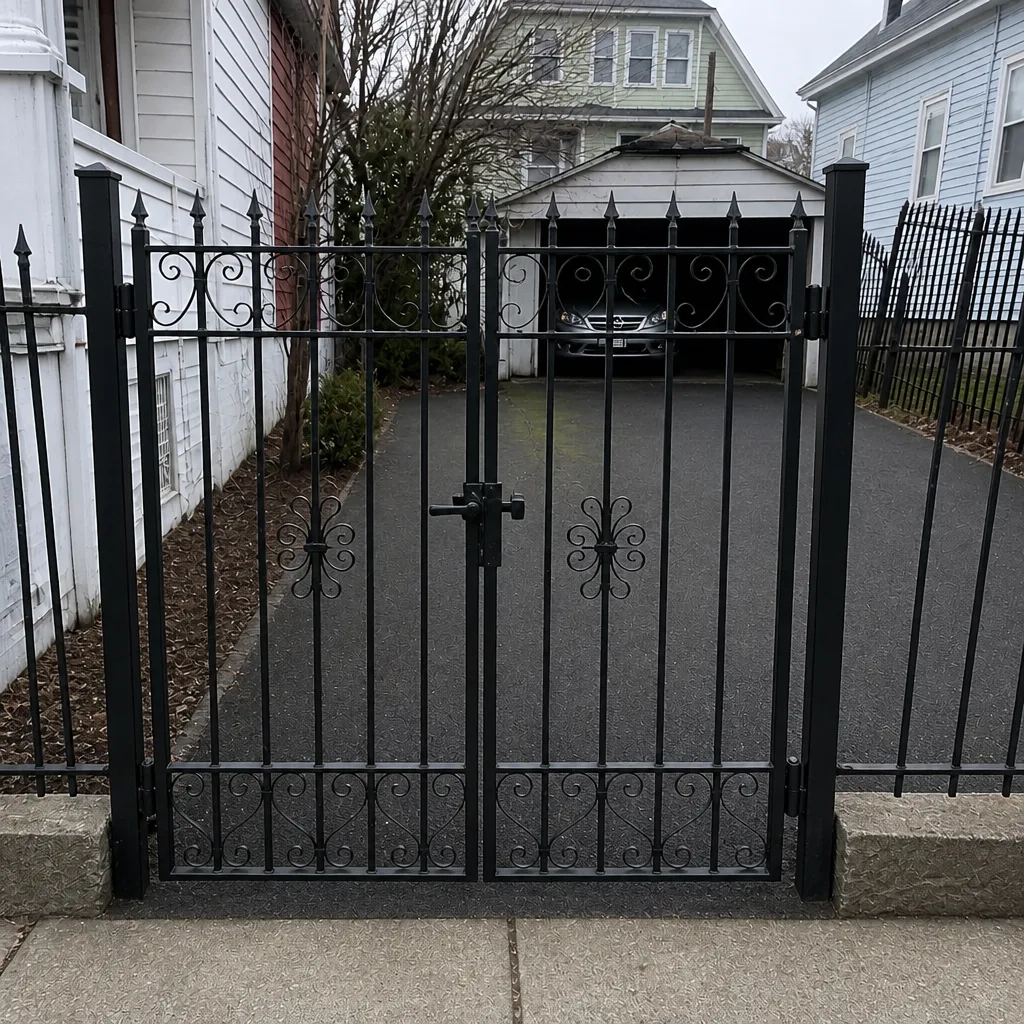
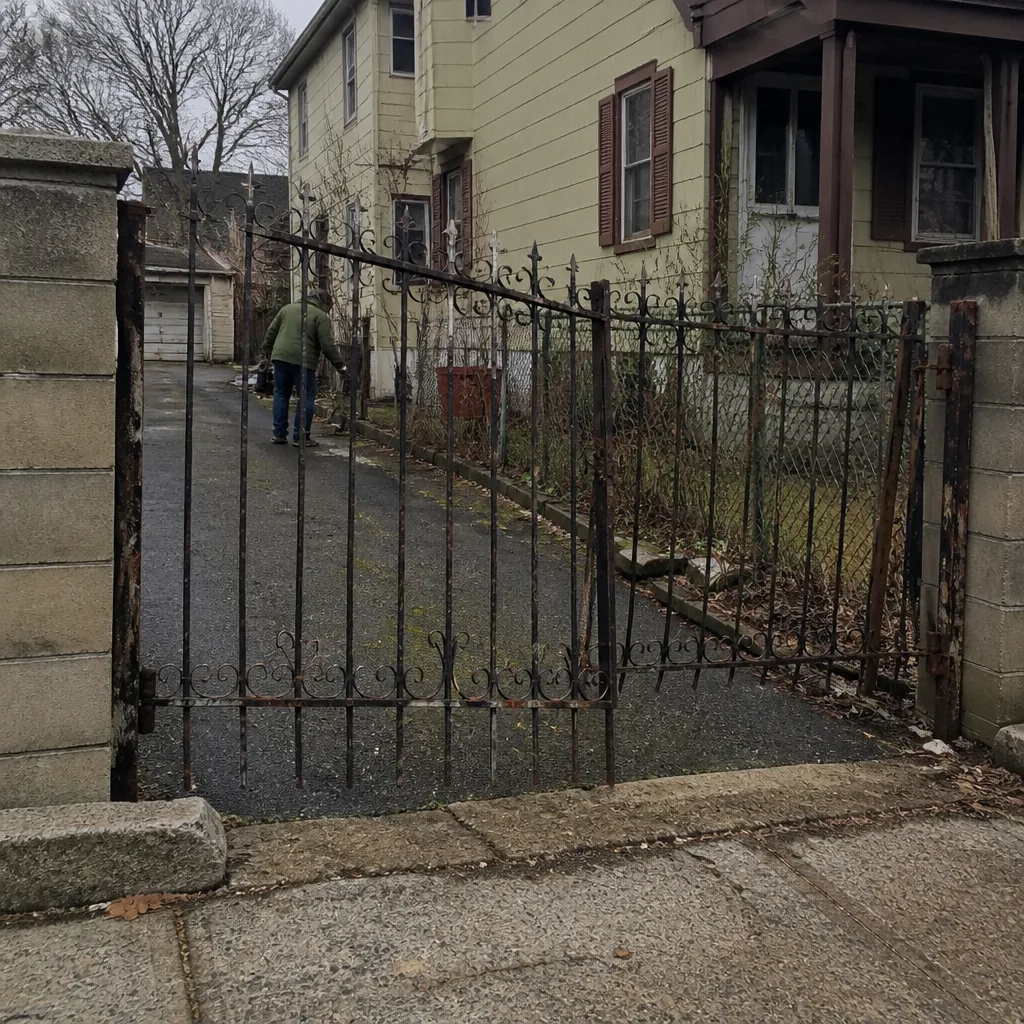
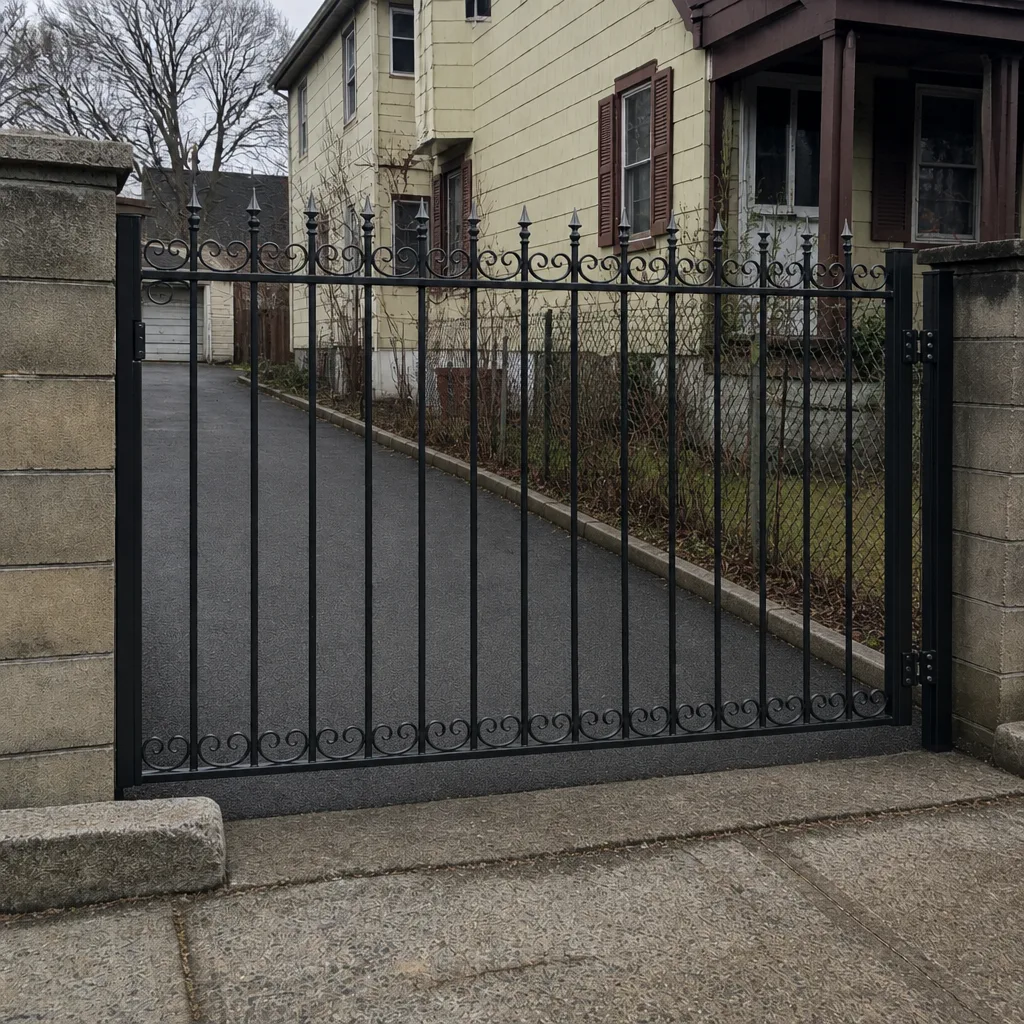
See the difference
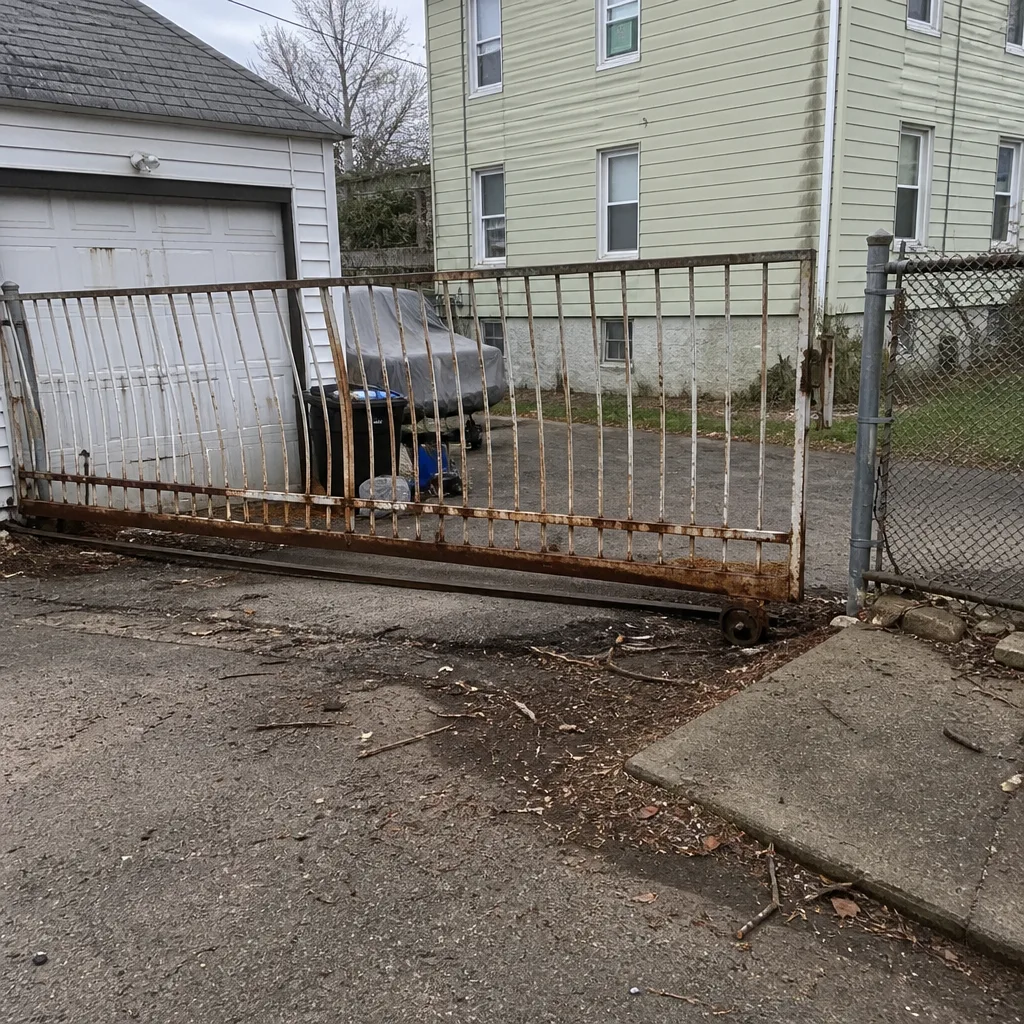 Before
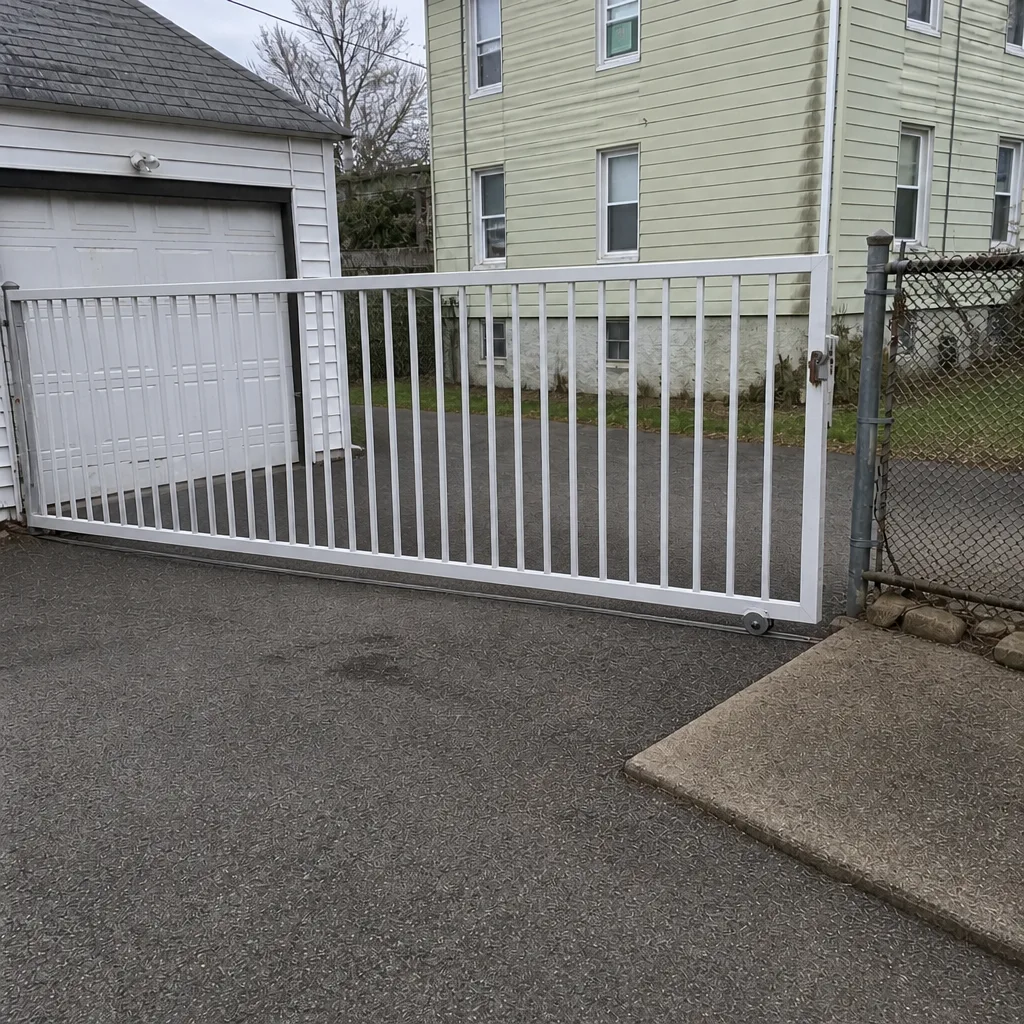 After
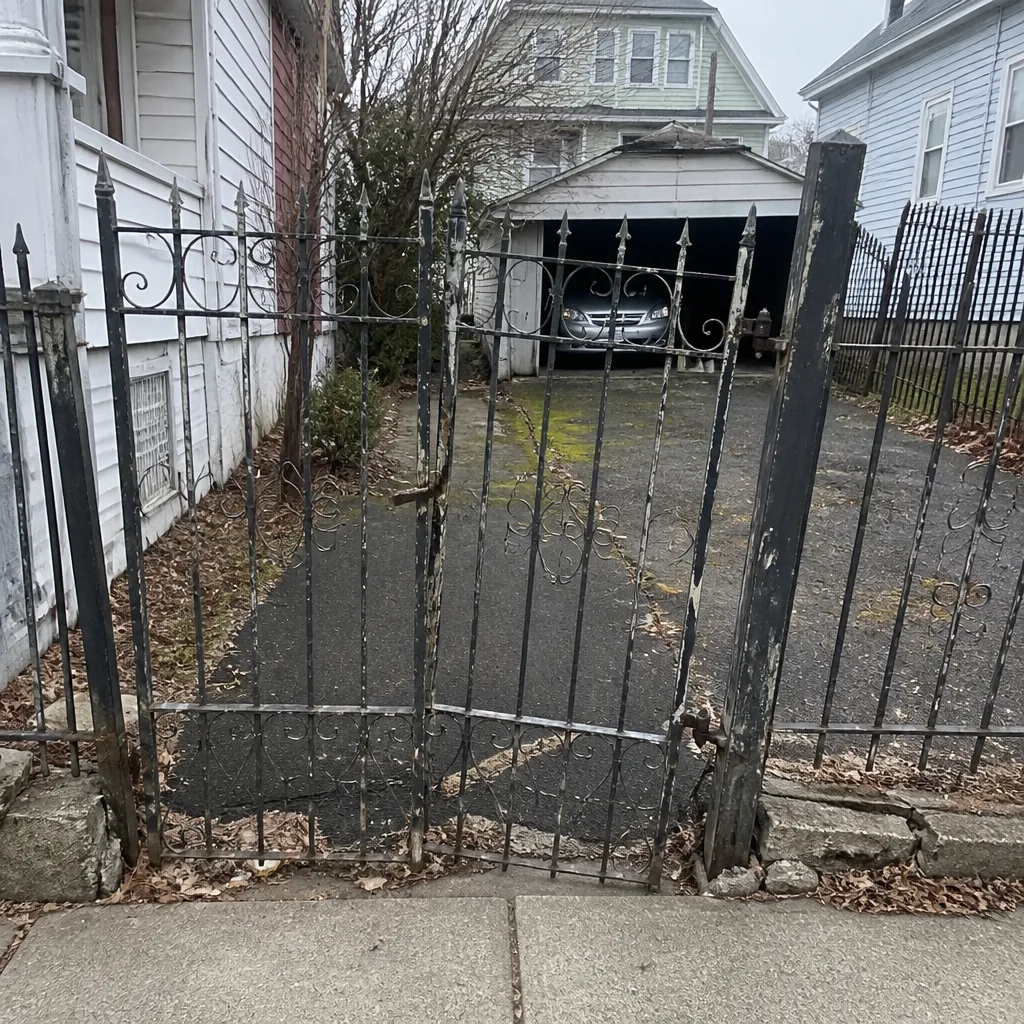 Before
 After
 Before
 After
When to Call a Professional
Some operator problems need a specialist. Repeated breaker trips, a control board that won’t hold programming, a motor that runs but won’t move the gate, or safety sensors that won’t align are all signs to call. The same goes for a gate that reverses mid-travel or an operator that overheats on hot days. These involve live electrical components and control logic, and getting them wrong can damage the operator further or create a safety hazard. If your gate is slow, noisy, or intermittently unresponsive, a proper diagnostic will tell you whether it’s the operator, the wiring, or the gate’s mechanical movement. Gate Repair Paterson offers free estimates in Paterson, and we handle a full Gate Repair Paterson diagnostic. Call (833) 946-4320. We answer 24/7, with fast dispatch from 7am to 7pm, Sunday through Friday.
Frequently Asked Questions
For most residential driveways, LiftMaster is a practical choice because its parts are stocked by local distributors and integration with common remotes and keypads is straightforward. The more important question is sizing: confirm the operator’s rated capacity matches your gate’s weight and leaf length. Call (833) 946-4320 for an exact quote – estimates are free.
Count every open-and-close pair on a typical day, then double that number as a safety margin. Four to twelve daily cycles fits residential; 30 to 100 fits light commercial; 200 or more requires a commercial-rated operator. Call (833) 946-4320 and we’ll size it for your property – estimates are free.
Parts availability decides how long your gate stays down when something fails. A brand with local distribution means a control board can be replaced in days; a brand without it means a two-week wait. That turnaround difference matters more than small spec variations. Call (833) 946-4320 for a diagnostic – estimates are free.
Not natively. Some brands accept standard keypads and intercom inputs directly, while others need third-party adapters that add cost and wiring complexity. Check native compatibility before buying, especially if you plan to add access control later. Call (833) 946-4320 to confirm what your operator supports – estimates are free.
An undersized operator strains on every cycle, wears its gears and motor brushes faster, and fails from overheating before its time. The gate may open fine for a while, which is why the problem goes unnoticed until the operator gives out. Call (833) 946-4320 and we’ll check the sizing against your gate – estimates are free.
Yes. We handle manual gate repair, electric gate repair, and full gate installation for residential and light-commercial properties across Paterson. That includes control board programming, motor replacement, safety sensor alignment, and access control integration. Call (833) 946-4320. We answer 24/7, with fast dispatch from 7am to 7pm, Sunday through Friday.
The Bottom Line
Brand selection for a gate operator isn’t about finding the best manufacturer. It’s about matching the operator’s duty cycle, drive type, and parts availability to your specific gate weight and usage. A correctly sized mid-range operator beats an undersized premium one every time. Get your cycle count right, confirm the operator is rated for your gate, and check that its parts are available locally before you commit. That decision is what keeps a gate in Paterson working. When you need a hand with the diagnosis or the repair, call (833) 946-4320. We answer 24/7, with fast dispatch from 7am to 7pm, Sunday through Friday. Estimates are free.
Written by the team at Gate Repair Paterson.