
Last updated November 15, 2026
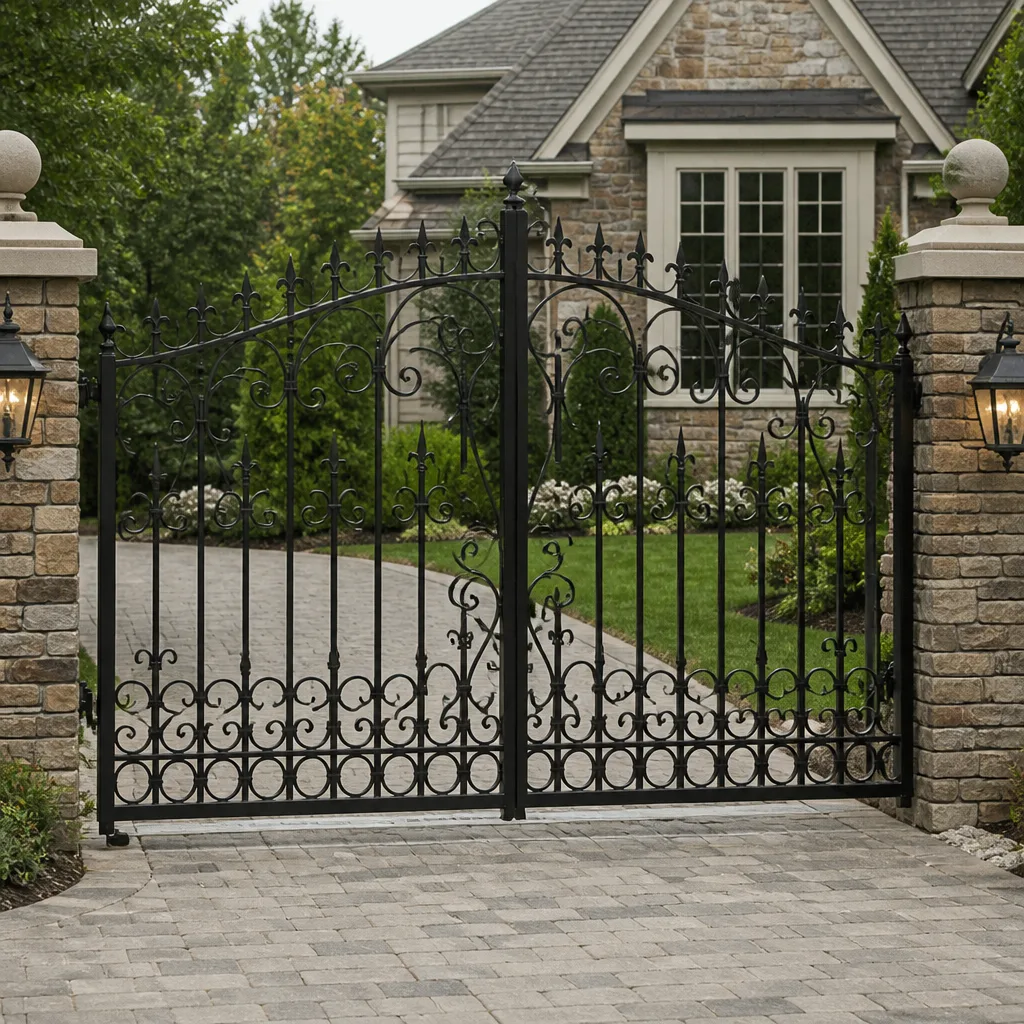 Wrought iron
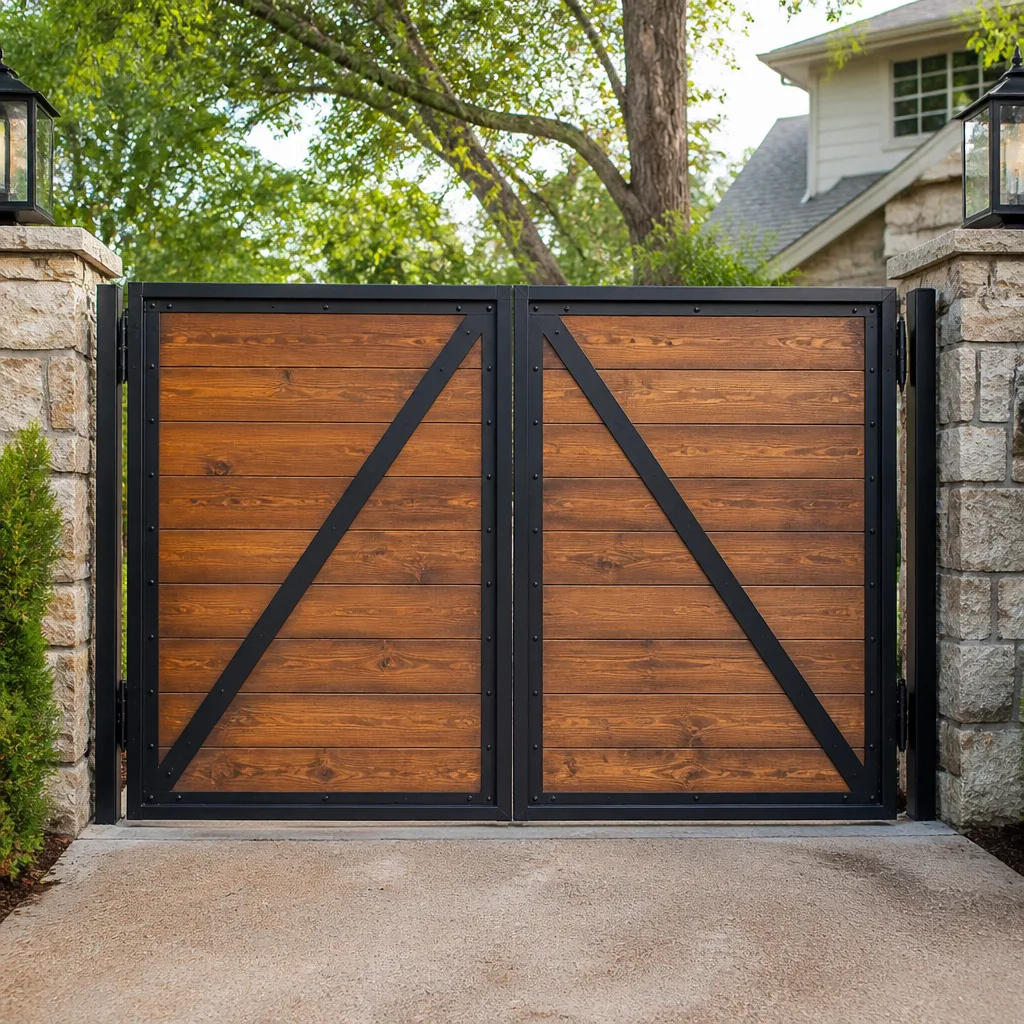 Wood & steel frame
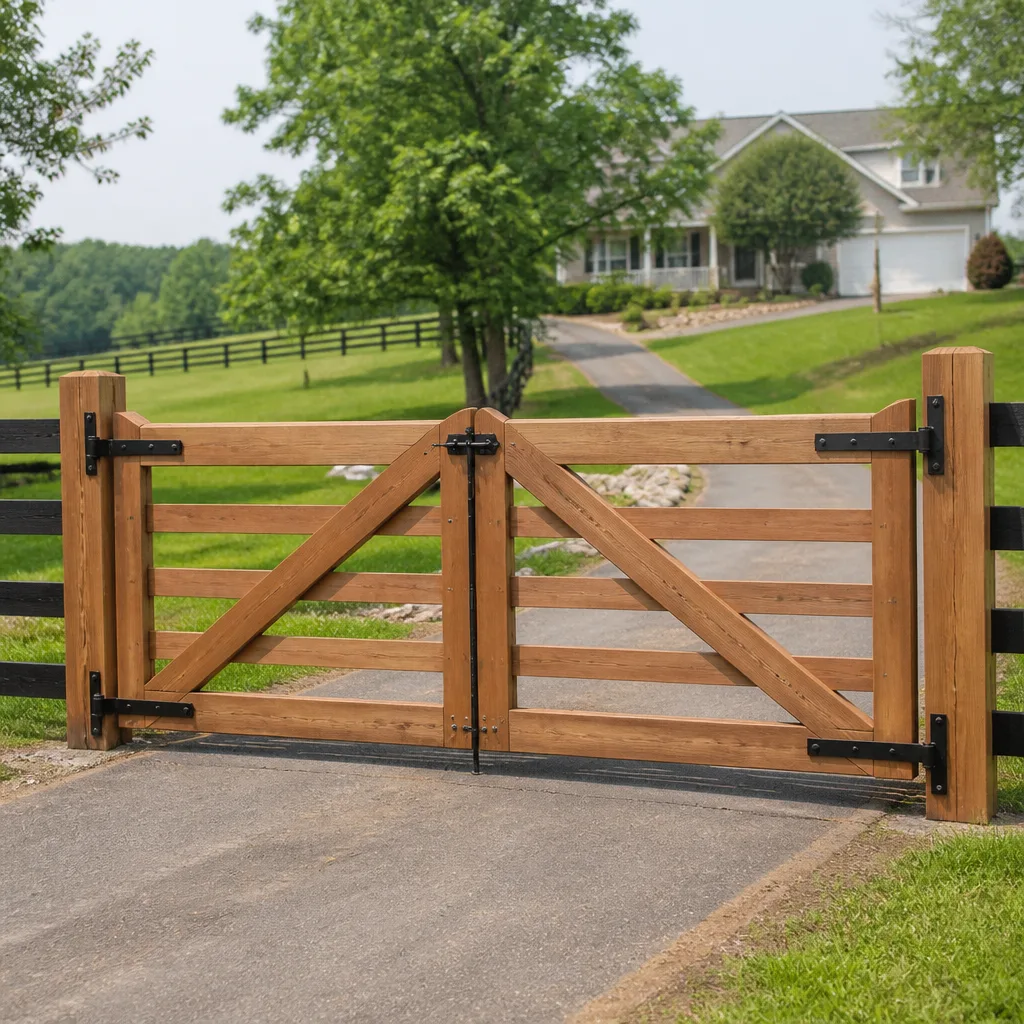 Farm & ranch
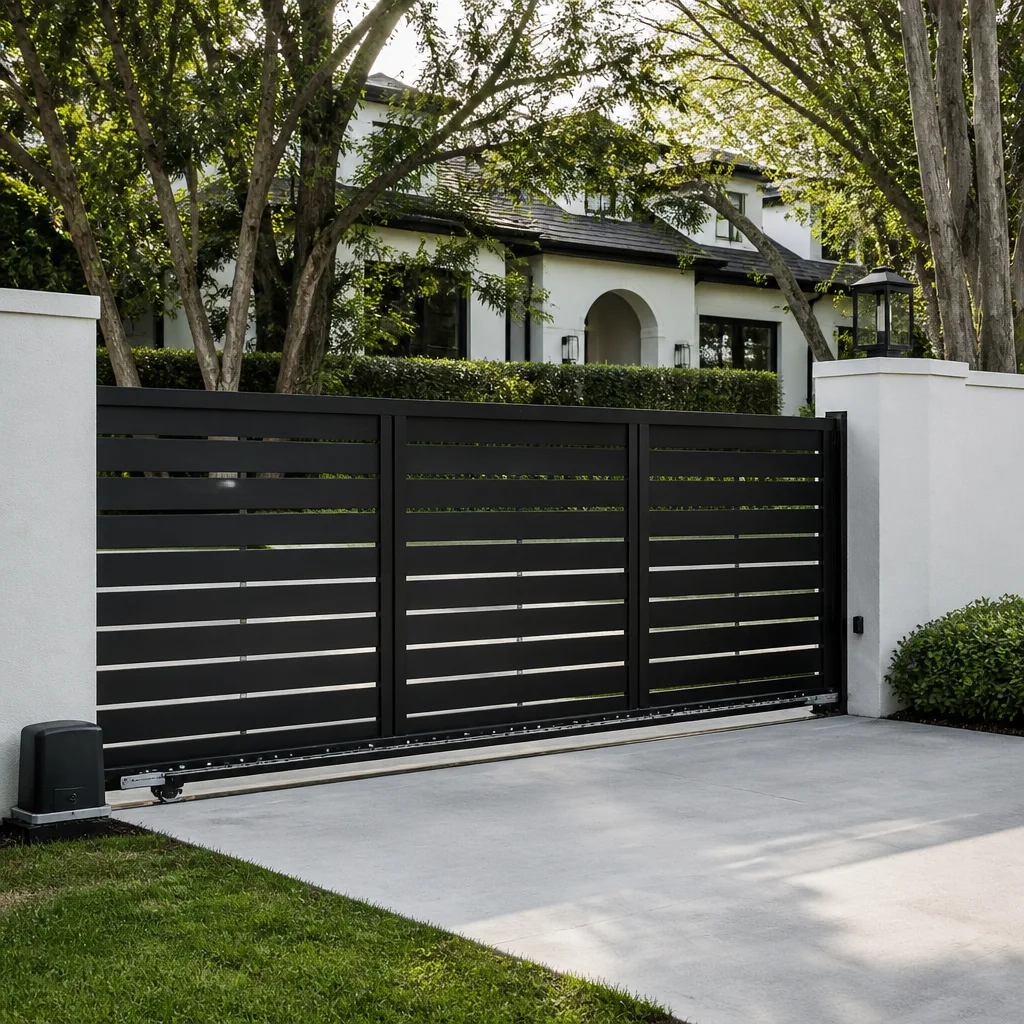 Sliding driveway gates
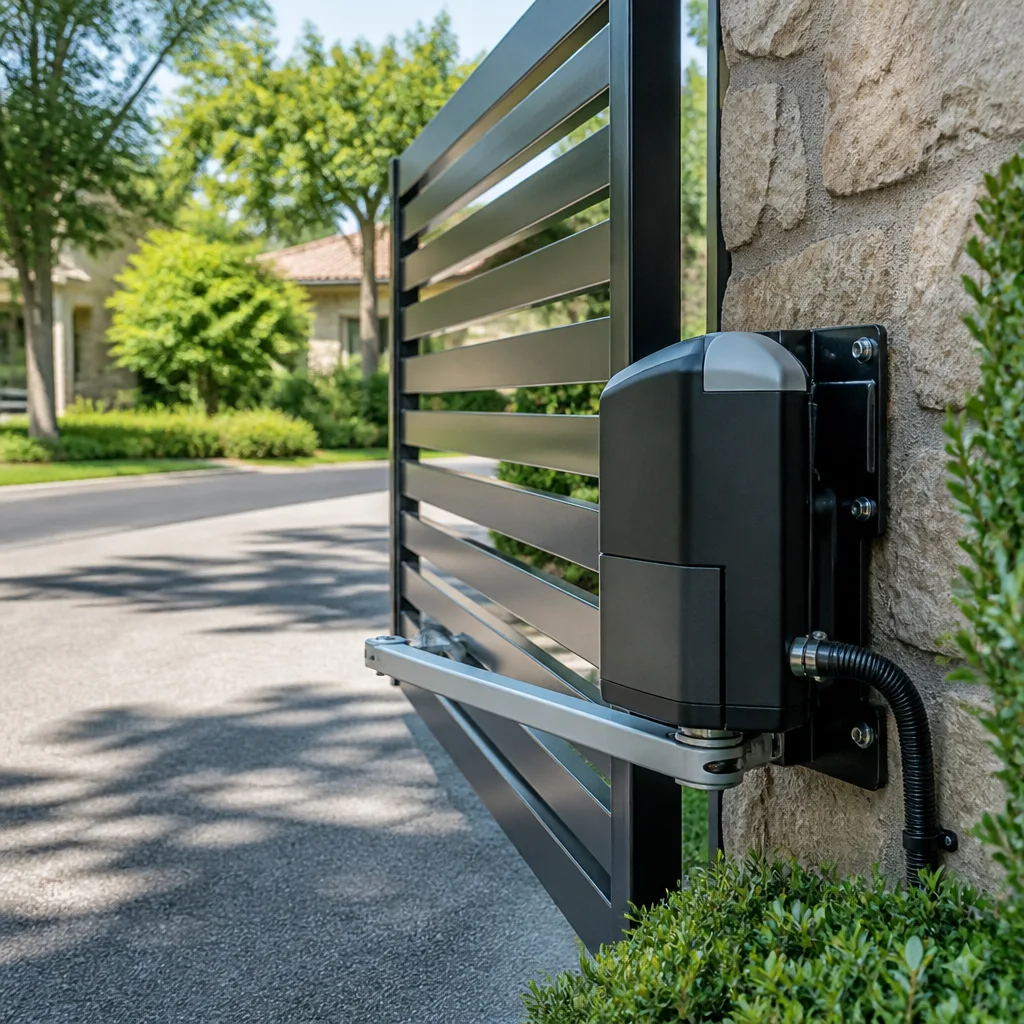 LiftMaster operators
Free on-site gate assessment - hinges, posts, and your LiftMaster or Nice gate operator checked before anything is quoted
The assessment is free and the quote is the invoice.
Get your free estimateGate Repair Cost Breakdown: The Paterson Homeowner’s Reference for 2026
Most gate repair quotes in Paterson look alike on paper, and that’s the problem. Two estimates for the same failed operator can sit hundreds of dollars apart and neither one explains why, because the number on the invoice doesn’t tell you whether the technician is putting in an original manufacturer board, a compatible aftermarket unit, or a refurbished part pulled from a shelf. The real skill in reading a gate quote isn’t comparing totals. It’s decoding what’s inside each line. In this guide we walk through what actually drives the price of a gate repair in Paterson, in 2026, component by component, so you can look at any estimate and know whether it’s fair before you sign.
Styles & brands we work with
- Wrought iron
- Wood & steel frame
- Farm & ranch
- Sliding driveway gates
- LiftMaster operators
Quick Answer
Gate repair in Paterson generally runs from about $95 for a simple hinge or roller swap up to several hundred dollars for an operator board replacement, with most residential repairs landing between $175 and $550 depending on the part and the access. The biggest price swing comes from the part itself, not the labor: original-manufacturer control boards cost far more than aftermarket or refurbished equivalents, and a written estimate should name which one you’re getting.
Table of Contents
- Why Gate Repair Pricing Is So Hard to Pin Down
- Component-by-Component Price Ranges for 2026
- How to Decode a Parts Line Item on an Estimate
- Labor Cost Drivers Specific to Paterson
- Repair, Replace Same-Brand, or Upgrade: The Break-Even Math
- Which Repairs Have Predictable Costs and Which Need a Site Visit
- Common Mistakes to Avoid
- When to Call a Professional
- Frequently Asked Questions
- The Bottom Line
Why Gate Repair Pricing Is So Hard to Pin Down
There’s no standard labor rate for gate work in New Jersey the way there is for some trades, and that’s the first thing to understand. Two technicians can quote the same board swap at very different numbers and both are “honest” in the sense that their time, drive, and overhead are different. What they don’t tell you is that the biggest variable isn’t their hourly rate. It’s the part.
Gate operators are built from components the manufacturer sells as original equipment, and the same components are also made by third parties and sold as compatible substitutes. Some are excellent. Some are junk. The packaging can look nearly identical, and unless the line item names the part number, you can’t tell which one is going in your gate. That gap is where most pricing confusion lives.
Add to it that Paterson gates sit on a mix of lots. A tight driveway in the 4th Ward with a gate that swings across a sidewalk is a different job than a wide residential entrance near Eastside Park, even though both might need the same operator part. Access, wiring runs, and whether the gate is manual or automated all shift the price before the technician touches a tool.
In our experience, the homeowners who get the most out of a quote are the ones who ask two questions up front: which part is going in, and is it the original or a substitute? Those two answers explain most of the difference between a fair price and an overpriced one. If you want the practical walk-through of how gate repairs work generally, our Gate Repair Paterson page covers the basics.
Component-by-Component Price Ranges for 2026
These are typical 2026 ranges for residential and light-commercial gate repair in Paterson. They’re estimates only. The written estimate after a technician looks at your gate is the final word, and every price gets agreed before any work starts. The ranges below assume a standard driveway gate with reasonable access.
- Hinges and pivots (swing gates): about $95 to $250 per hinge set, including labor. Heavy ornamental gates sit at the top of the range.
- Rollers and tracks (slide gates): roughly $120 to $300 to replace a roller set and re-align the track. A bent or sinking track pushes this higher.
- Limit switches: typically $130 to $280. Simple part, but they must be re-set exactly or the gate overruns.
- Safety loops (in-ground induction loop detectors): about $275 to $650, including cutting the driveway surface and re-pouring. Loop wire itself is cheap; the concrete work is not.
- Control board replacement: the widest range, roughly $180 to $650 depending on board type and whether it’s original, aftermarket, or refurbished. This is the line item to scrutinize.
- Motor / actuator replacement: typically $350 to $900 for a residential operator, more for a heavy slide gate. Brand and cycle rating drive the number.
- Post repair or re-setting: about $300 to $800, including digging out and re-setting the gate post. This is the one job where the gate has to come off before we know the true scope.
- Full operator replacement (unit + install): roughly $900 to $2,500 for a residential gate, depending on brand, gate weight, and whether the wiring needs re-running.
Two of these numbers deserve more attention than the rest: the control board and the post repair. Both are where a lowball quote usually hides a shortcut. A board quoted far below the rest of the market is almost always aftermarket or refurbished. A post “fix” quoted cheaply usually means a patch that fails again in a season.
How to Decode a Parts Line Item on an Estimate
This is where most homeowners lose money without realizing it. An estimate that lists “operator control board: $X” tells you nothing. A good estimate names the part and its manufacturer, and states whether it’s original equipment. Here’s how to read one.
- Look for a manufacturer name and part number. If the line item just says “board” or “sensor” with no part number, ask for one. Any technician who knows their brands can give it.
- Ask whether the part is OEM (original equipment), aftermarket, or refurbished. All three are legal. Only one is new and original. The price should reflect which.
- Match the brand to the operator. If your gate runs a FAAC or LiftMaster operator, the board should be made for that system, not “compatible with most brands.” When we quote an FAAC operator repair, we name the FAAC part.
- Check the warranty terms on the part. Original and aftermarket parts usually come with a manufacturer’s warranty that the estimate should reference. Refurbished parts often carry less.
- Confirm what happens if the substitute fails. A reputable quote will tell you in writing what the coverage is on the part going in.
Before you accept a quote, ask these four questions in order:
- What part number are you installing?
- Is it original, aftermarket, or refurbished?
- What’s the warranty on the part?
- Is the price I’m quoted the price I’ll pay, and is it agreed before work starts?
When substitution is acceptable: an aftermarket board that’s well-reviewed and matches the OEM spec is fine for a low-cycle residential gate, especially if it saves real money and the warranty is solid. When it isn’t acceptable: on high-cycle systems, on gates heavy enough that a premature failure is a safety issue, and on any operator where the manufacturer’s diagnostics depend on the original board.
Labor Cost Drivers Specific to Paterson
Labor is where the quote goes up or down for reasons that have nothing to do with the part. In Paterson, four things drive it more than any others.
- Access on urban lots. Narrow driveways, shared easements, and a gate that has to be opened manually just to get a truck near it all add time. A gate that’s jammed shut on a tight 3rd Ward lot takes longer than the same repair on a wide suburban driveway.
- Electrical integration complexity. Automatic gates tie into a home’s power, sometimes a separate sub-panel, and the operator’s low-voltage control wiring. Adding a new keypad, intercom, or loop detector means running and testing wiring, and that’s not a ten-minute job.
- Same-day vs. scheduled. If you need a same-day repair, the schedule has to be reshaped to fit, and that can affect what a technician can offer. It doesn’t add a premium to the price, but it does limit availability. If you’re planning a repair, calling first thing in the morning gives the widest window. We answer 24/7 and dispatch 7am to 7pm, Sunday through Friday.
- Diagnosis time. A slow gate or one that opens halfway and reverses can be five different failures. Diagnosis is the first thing we do and it’s part of the estimate, not a separate fee.
What labor does not include in our quotes: no diagnostic fee, no service-call fee, no trip charge. The estimate is free. The written estimate sets the price, and it’s agreed before any technician starts work.
When the electronic side turns out to be the main problem, that’s a different kind of visit than a mechanical hinge swap. Boards, loop detectors, and intercom wiring are all things we handle as part of electric gate repair. That’s not a side service for a general repair company. It’s a core part of what we do, and it’s the reason generalists bounce these calls.
Repair, Replace Same-Brand, or Upgrade: The Break-Even Math
This is the decision that has the biggest effect on long-term cost, and most homeowners get it wrong by defaulting to whichever is cheapest today. Here’s the framework.
Start with a single rule: if the operator is under roughly half of its expected service life and the board or motor fails, repair usually wins. A board replacement on a five-year-old operator at $300 to $500 is still cheaper than a $1,200 to $2,000 full replacement, and you keep the rest of the system.
The math flips when three things are true at once:
- The operator is more than about ten years old and has needed two or more repairs in the last three years.
- The failure is in a component that’s not sold separately, or the board is discontinued and only available refurbished.
- The gate itself has become heavier or out of true, so the operator is working harder than it was designed to.
When all three hold, replacement is usually cheaper over the next five years than another round of repairs.
Now, replace same-brand vs. upgrade. Replacing with the same brand is the lower-friction option: the wiring, mounting, and control accessories all match, and the diagnostics you already know apply. It’s the safe choice.
Upgrading to a different operator is worth the extra cost when any of these is true:
- Your current operator is overmatched for a higher cycle count (a multi-unit property, a busy driveway).
- You want accessories it can’t support, like a newer-style wireless keypad or intercom.
- The current brand has a known failure pattern that keeps repeating on your gate.
A clean rule of thumb: if a same-brand replacement costs $900 to $1,200 and an upgrade costs $1,400 to $2,000, the upgrade pays off only if it genuinely extends life or reduces failures. If you’re just paying for brand preference with no functional gain, replace same-brand and put the savings into a better gate adjustment.
Brand familiarity matters here. If your gate runs a Linear or LiftMaster operator, we already know its known failure points and the parts that tend to go first. That means fewer visits and fewer guesses.
Which Repairs Have Predictable Costs and Which Need a Site Visit
Some gate repairs can be quoted almost exactly over the phone once we know the gate type and brand. Others can’t honestly be priced until someone stands next to the gate. Knowing which is which will save you time and stop you from accepting a “sight unseen” quote that’s really just a guess.
Repairs with predictable costs
- Hinge replacement on a swing gate
- Roller and track re-alignment on a slide gate
- Limit switch replacement
- Control board replacement when the operator brand and model are confirmed
- New keypad or remote programming
For these, an experienced technician can give you a solid range before arriving. The range narrows to a written price once they’ve confirmed the model number on site.
Repairs that require an on-site look
- Any gate that’s sagging, dragging, or self-closing when it shouldn’t
- Post repair and re-setting
- Intercom or access-control integration work
- Safety loop detection problems
- Operators that open partway and reverse, or cycle erratically
- Any repair on a gate heavier than standard residential (custom ornamental, wide slide)
For these, a phone quote is a guess. Anyone who confidently prices a post re-set without seeing the gate is guessing, and you’ll see the guessing fee later. We do free on-site estimates for exactly this reason.
If a technician does offer a firm price on a post or sag, ask them to say what they’re assuming. That one question tells you whether they’re experienced or guessing.
Common Mistakes to Avoid
- Accepting a parts price without a part number. Two quotes for a “control board” can differ by hundreds of dollars because one is original and one is a refurbished substitute. Always ask for the number.
- Assuming the cheapest quote is the fair one. In Paterson’s tight-lot neighborhoods, a low quote often skips the site visit and guesses on the back end. Free on-site estimates are how a fair price gets set.
- Replacing the operator to fix a symptom. A gate that opens halfway and stops is often a limit switch, a safety loop, or a board setting. Replacing the whole motor to solve a $150 part is a common costly mistake.
- Ignoring the post. A sagging gate is not always a hinge problem. If the gate post has shifted, replacing hinges only fixes the symptom. A patched post looks fixed for a month, then fails again.
- Skipping the manual release check. If you can’t disengage your operator and swing the gate freely by hand, you don’t have a backup if the power or the operator fails. A stuck gate is worth checking now, not during an outage.
- Buying the cheapest loop detector or intercom. Safety loops and intercoms are lifetime parts; a bargain version failing in year two means paying for the concrete work twice.
- Waiting until a gate fails completely to have it looked at. A gate that hesitates or slows is a gate with a part on its way out. Catching it before failure is the cheapest repair you’ll do.
When to Call a Professional
Some situations are safe to check yourself and some aren’t. If your gate has a heavy panel that swings under its own weight, a slide gate that’s wandered off its track, or any automated system where the motor still runs and the gate doesn’t move, stop and call. Those are situations where a panel can come off its hinge or a slide gate can tip, and a crushed hand or a bent track is worse than the original problem.
Call us when:
- The gate no longer opens or closes on command
- The operator runs but the gate doesn’t move
- A safety loop or intercom has stopped responding
- The gate only opens partway or reverses on its own
- The gate is sagging, dragging, or self-closing
- You’re considering an operator replacement or upgrade and want a straight price
We’re a gate-only company. That means we’re not routing your call through a general contractor who’s also doing decks and doors that week. Gates are the whole focus, and the scheduling reflects it. Gate Repair Paterson offers free estimates in Paterson. Call (833) 946-4320. We answer 24/7. Fast dispatch from 7am to 7pm, Sunday through Friday.
Frequently Asked Questions
Most residential gate repairs in Paterson run between roughly $175 and $550, with simple hinge or roller swaps starting around $95 and operator board or motor jobs at the top of that range. A full operator replacement typically runs $900 to $2,500. Call (833) 946-4320 for an exact quote. Estimates are free.
Because the same part is sold as original equipment, aftermarket, and refurbished, and the invoice often doesn’t say which. A board swap at $180 and one at $650 can be for the same gate. Ask for the part number and its classification before you accept. Call (833) 946-4320 if you want us to run through your quote.
Often yes for standard repairs. We dispatch 7am to 7pm, Sunday through Friday, and same-day slots open up when a job is small enough to fit. Installation, new-operator work, and access-control wiring are scheduled, not same-day. Call (833) 946-4320 and we’ll tell you honestly what’s available.
Yes. Safety loop detectors, intercoms, keypads, and the low-voltage control wiring that runs them are part of every install we do and every electric repair we take on. These are the calls a general repair company usually turns away. Call (833) 946-4320 for a quote.
All of it: removal of the old gate or operator, any post or footing work required for the new system, new hinges or track hardware, the operator, electrical run to the operator, and safety components like the loop detector. We quote the whole job in one estimate. Call (833) 946-4320 for a free on-site measure and written price.
No. The estimate is free, and the price is quoted and agreed before any work starts. No diagnostic fee, no trip charge. Call (833) 946-4320 to book.
The Bottom Line
Gate repair pricing isn’t a mystery once you know what to look at. The total comes from three things: the part, the labor, and the access. In Paterson, access changes most often. In a quote, part substitution changes most often. The two questions that get you the best answer on any estimate are: which part are you installing, and is it original? If a technician can’t answer those two questions clearly, take the quote to someone who can. The written estimate is the final price, and you should be able to see exactly what it’s made of before you sign.
If you’re in Paterson and want a straight, part-by-part price on a gate repair, call Gate Repair Paterson at (833) 946-4320 for a free estimate. We answer 24/7. Fast dispatch from 7am to 7pm, Sunday through Friday. Whether your gate is a manual swing that’s sagging on its hinges or a multi-brand automated slide system that’s stopped responding, the first step is the same: a look at the gate, a named part, and a written price.
Written by the team at Gate Repair Paterson.
See the difference
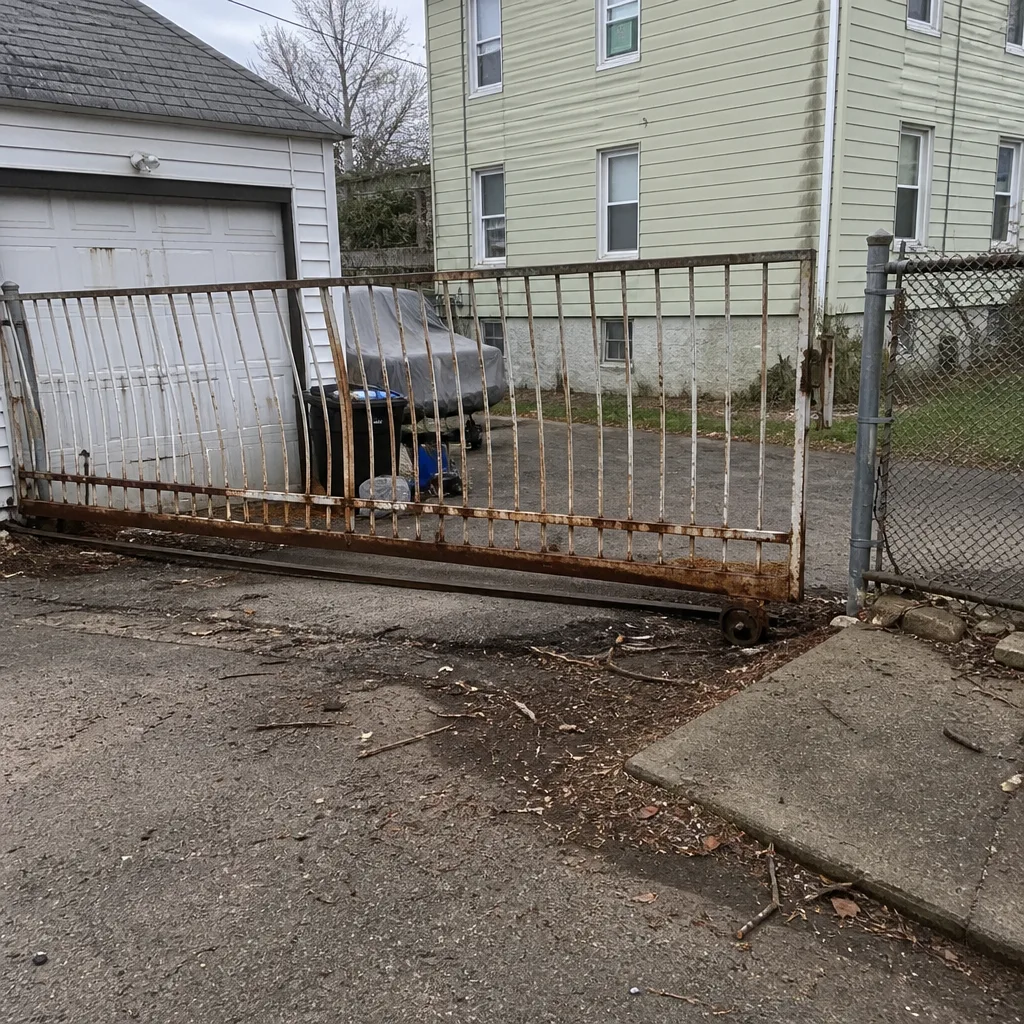 Before
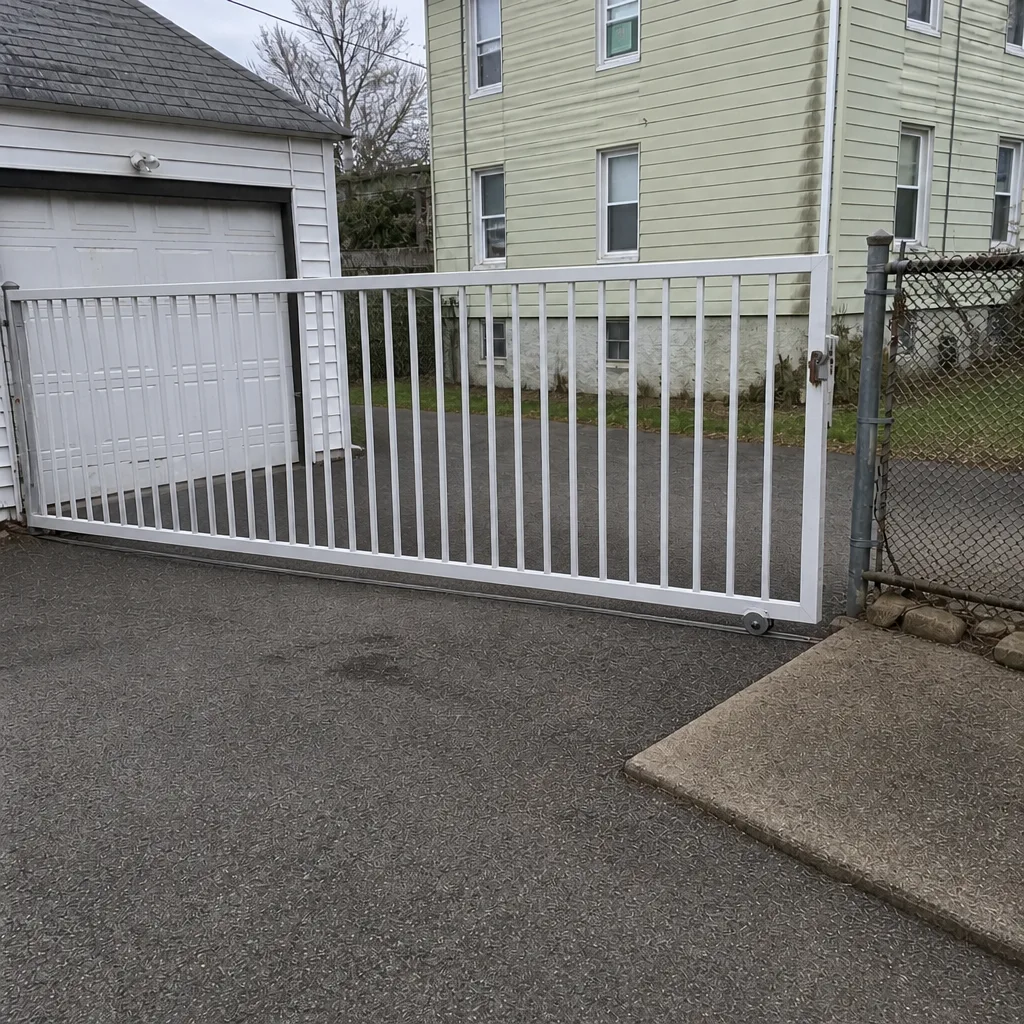 After
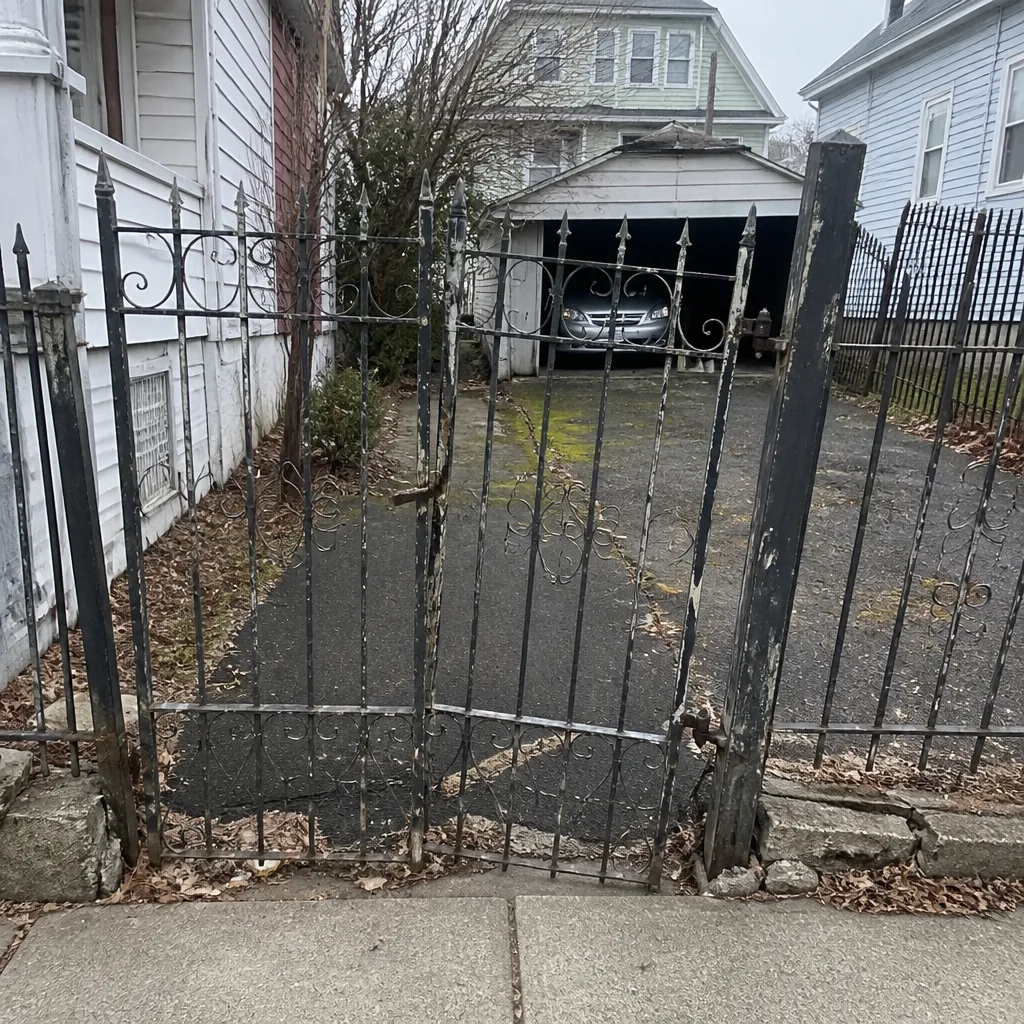 Before
 After
 Before
 After