
Last updated November 15, 2026
 Wrought iron
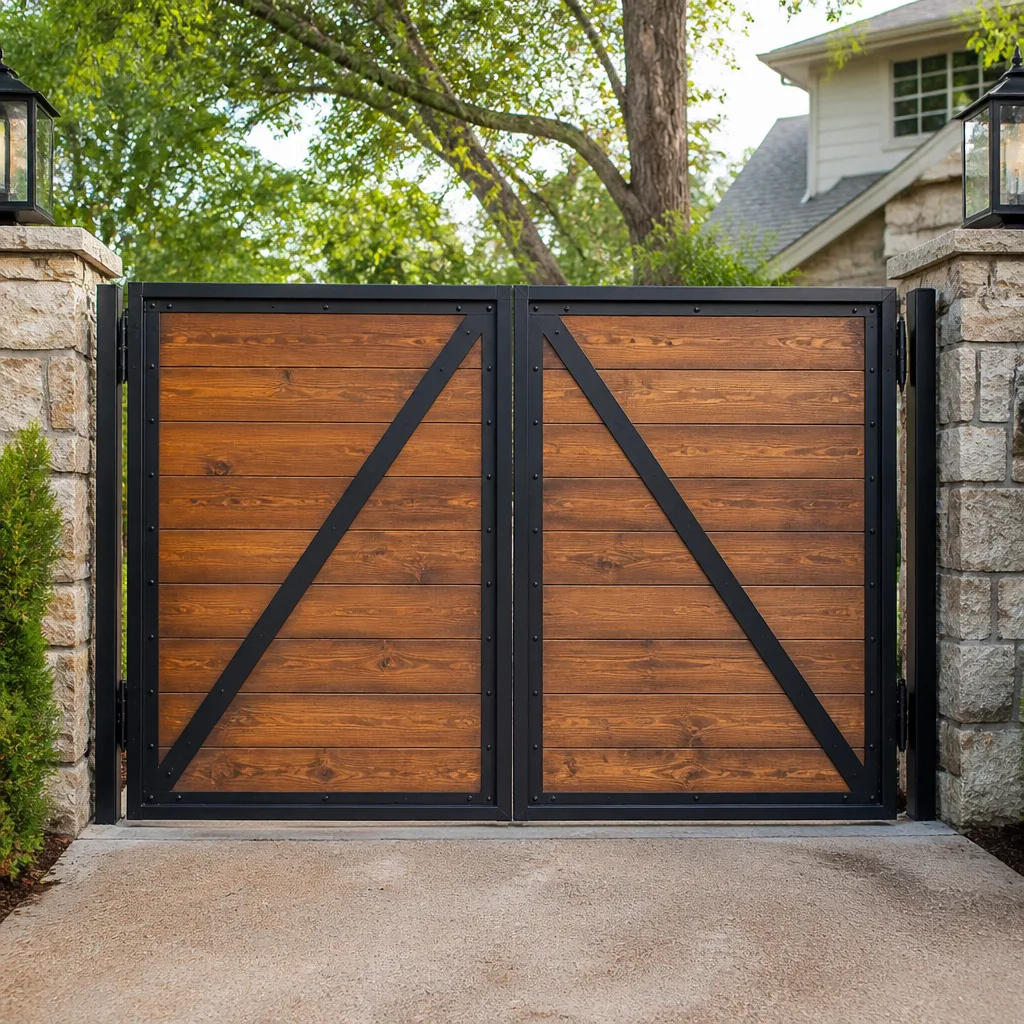 Wood & steel frame
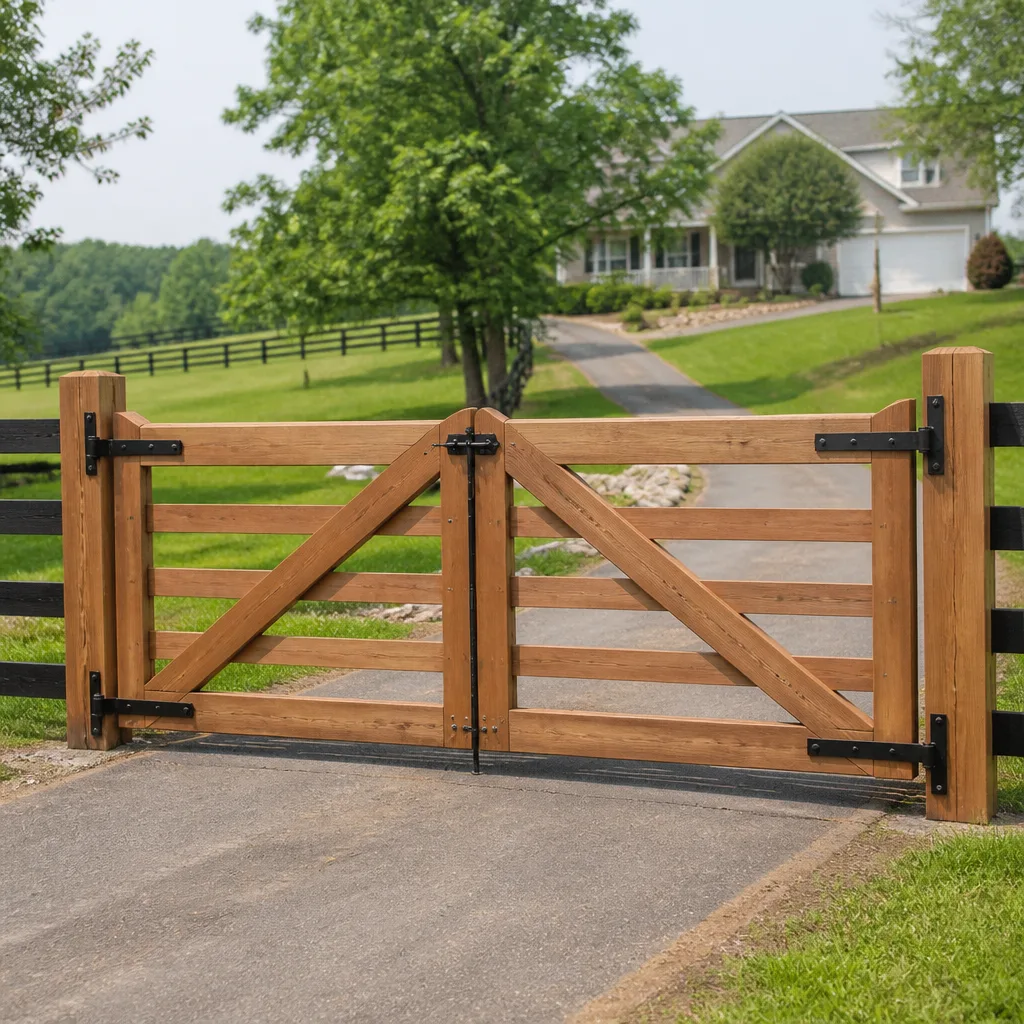 Farm & ranch
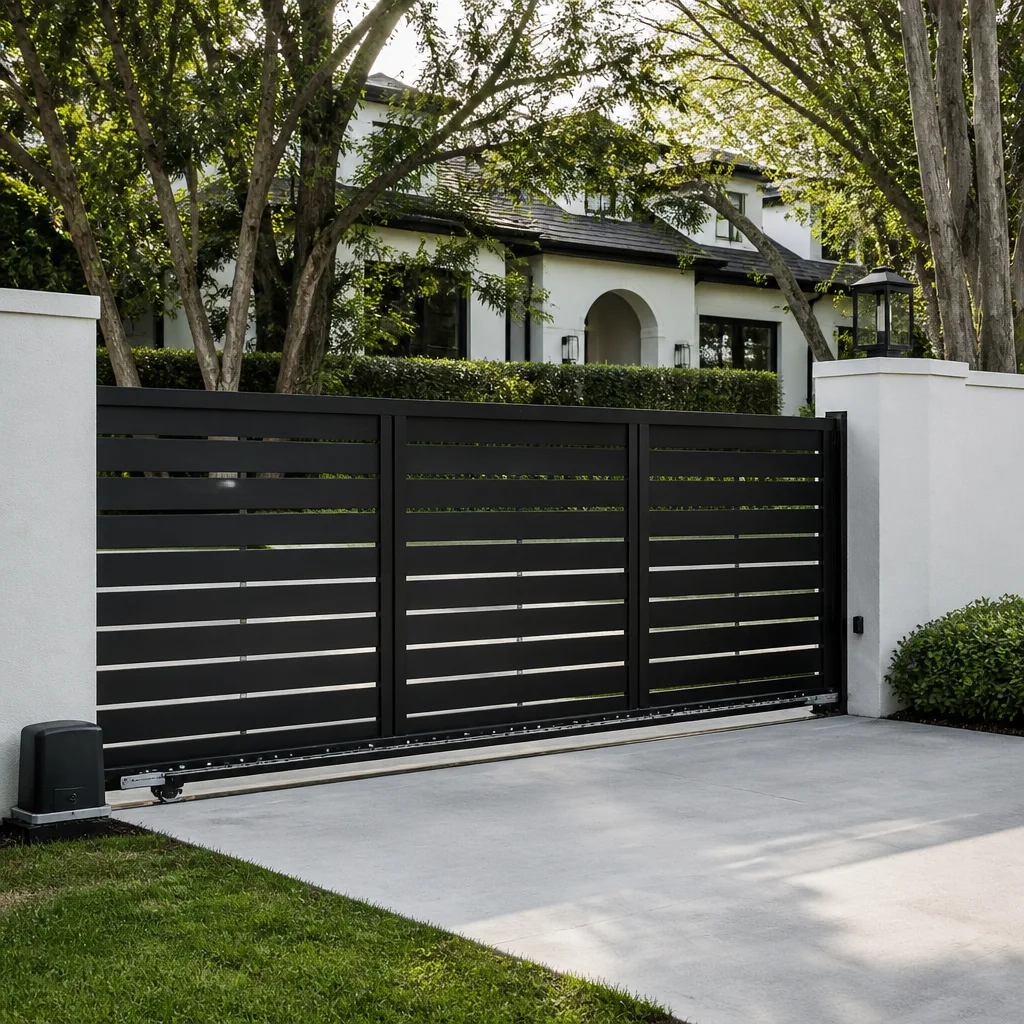 Sliding driveway gates
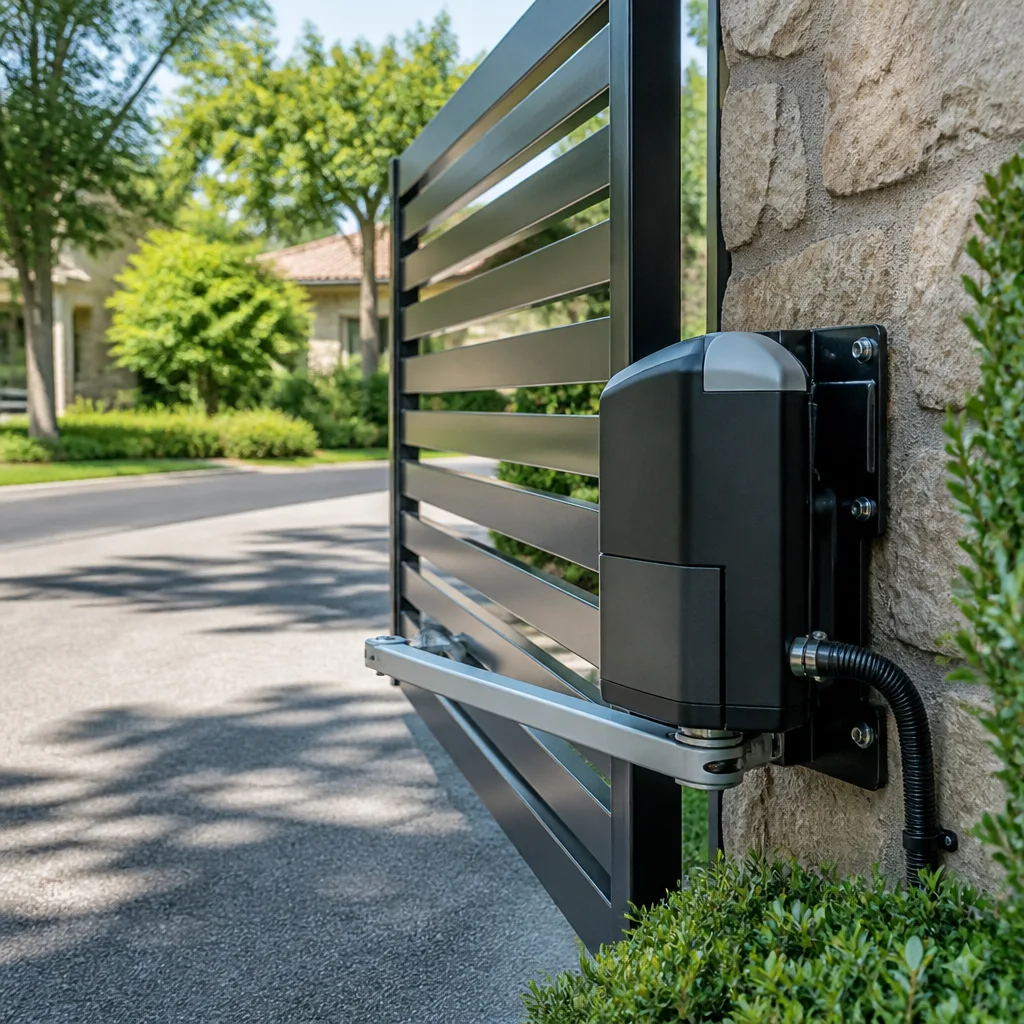 LiftMaster operators
Free on-site gate assessment - hinges, posts, and your LiftMaster or Nice gate operator checked before anything is quoted
The assessment is free and the quote is the invoice.
Get your free estimateGate Repair Emergency Preparedness Guide for Paterson Homes
Forcing a gate that’s stuck mid-travel by pushing it manually is the most common way to destroy an operator gearbox that was otherwise repairable. The motor is built to move the gate at its own pace, along its own track, and under its own load. Push it by hand while the operator is still energized and you’re asking a gearbox to do the opposite of its job. This guide walks you through the decision tree most Paterson homeowners have never thought about: how to release each common operator type correctly, how to secure an open gate without adding damage, and what to have ready before you call anyone. Read it once now, and a bad night becomes a sequence you already know.
Quick Answer
A gate emergency in Paterson is handled in this order: stop, don’t force the gate, find the manual release specific to your operator type, secure the opening only if the release doesn’t work, then call for repair with your operator model, power status, and last known function in hand. Force the gate while it’s energized and you turn a repair into a replacement. Know your release procedure and your operator brand before anything fails, and the emergency itself takes minutes instead of hours.
Styles & brands we work with
- Wrought iron
- Wood & steel frame
- Farm & ranch
- Sliding driveway gates
- LiftMaster operators
Table of Contents
- Why Forcing a Stuck Gate Makes It Worse
- The Correct Manual Release for Four Common Operator Types
- How to Secure an Open Gate Without Causing More Damage
- What to Have Ready Before You Call
- When a Gate Emergency Becomes a Safety Emergency
- Preventive Steps to Take Now
- Common Mistakes to Avoid
- Frequently Asked Questions
Why Forcing a Stuck Gate Makes It Worse
The most expensive gate calls we get start with a homeowner pushing a gate that wouldn’t move. An operator is a gear reduction system. It takes a small motor turning fast and turns it into a large gate moving slowly. Run that reduction backward by hand, with the motor still holding position, and the weakest link in the chain takes the load. Usually that’s the gearbox or the drive gear. Both end up replaced.
There’s a second failure mode too. A gate that’s stuck mid-travel is often stuck because something is physically binding: a roller off the track, a bent hinge, a slide gate that’s lifted off its guide. Forcing the gate past the bind doesn’t clear the bind. It transfers the stress into the gate panel itself, which can warp the frame or tear the panel away from its hinge point. A repairable operator problem becomes a structural one.
Paterson’s housing stock plays a part in this. A lot of older homes in neighborhoods like Sandy Hill and the Eastside have gates that have been modified, repaired, and repainted multiple times. Hinges sag, posts settle, and the operator is compensating for a physical problem it was never designed to manage. When the operator finally does stall, the bind is often years in the making. That’s why the correct first move is always the same: stop pushing, and let the operator tell you what’s wrong.
What actually happens when you push
- The gearbox takes the full load of your body weight through a reduction gear
- Drive gears can strip teeth, which means a board-level repair becomes a full motor replacement
- The gate panel can warp if it’s binding on track or hinges
- The limit switch position can shift, which introduces a new failure after the original one is fixed
- Safety edges and loop sensors can be knocked out of alignment, adding wiring to the job
None of this means a gate is never manually movable. It means the operator must be properly released first, and the release is specific to your operator type. That’s the next section.
The Correct Manual Release for Four Common Operator Types
Every automated gate in Paterson has a manual release, and every manual release is designed differently. If you can identify your operator type, you can release it correctly. If you can’t, don’t improvise. Call us and we’ll walk you through it.
1. Swing gate actuator (ram arm)
This is a hydraulic or electromechanical ram mounted to a post, pushing the gate open and pulling it shut. Most residential swing operators are this type, including many LiftMaster and FAAC units. To release:
- Kill power at the breaker or the operator’s power switch. Never release a ram under load with power live.
- Find the release key or lever on the ram housing. Most swing arms have a keyed release cylinder near the post bracket.
- Turn the key or flip the lever to disengage the ram from the gate.
- Once disengaged, the gate swings freely by hand. Move it slowly.
- If the ram won’t disengage, stop. Do not remove the mounting bolts. That’s a two-person job with gravity waiting to take over.
2. Sliding gate rack drive
Sliding gates use a gear motor that drives a rack (a toothed strip) along the bottom or side of the gate panel. DoorKing and Elite sliding operators are commonly this type in light commercial and larger residential installations. To release:
- Cut power to the operator.
- Locate the release lever on the motor housing, usually a red or black handle near the gearbox.
- Pull or turn the lever to lift the drive gear off the rack. The gate should now slide by hand.
- If the gate is off its track or guide, do not slide it. A panel that comes off the track can crush a foot.
- Slide slowly. Watch the bottom guide and the top rollers as the gate moves.
3. Underground pivot operator
Underground operators sit in a cast box below the gate pivot and drive the gate from below. You’ll typically see a metal cover plate at the pivot point. Release procedures vary by manufacturer and model, and getting it wrong can damage the pivot arm. For most underground units:
- Cut power at the breaker.
- Open the access cover to find the release mechanism. Many models use a key or a hex release bolt.
- Follow the release direction marked on the unit itself, or call us. If the manufacturer’s markings aren’t legible, don’t guess.
- Underground pivots are heavy. Move the gate by hand with slow, even pressure, and stop if anything binds.
4. Overhead barrier operator
Barrier arms raise and lower a barrier arm rather than swinging a panel. These are common at parking facilities and apartment complex entrances. Many models, including DoorKing barrier operators, use a keyed release on the housing. To release:
- Cut power to the operator.
- Use the key to disengage the drive. The arm should lower or raise freely by hand.
- Never prop a raised arm with anything temporary. Lower it or raise it fully to a supported position.
- If the arm won’t disengage, leave it and call us. A dropped barrier arm is a struck-vehicle claim waiting to happen.
If your operator doesn’t look like any of these four, treat it as if you don’t have a release procedure until you talk to someone who works on it. That’s a call worth making early.
How to Secure an Open Gate Without Causing More Damage
A gate stuck open is the emergency most Paterson homeowners actually have to solve at 11pm. A property that’s standing wide open overnight isn’t just exposed, it’s legally exposed. Temporary securing is about closing the opening without adding damage or creating a liability. Three approaches work, in order of preference.
Option 1: Manually close the gate if the release works
If you’ve completed the release correctly and the gate moves freely by hand, close it and lock it manually. This is the best outcome. No additional hardware needed, and the gate is back in its normal closed position. Note the position it’s in when it shuts. If it takes force to close, there’s a physical bind that needs to be found before it’s operated again.
Option 2: Temporary manual blocking
If the gate won’t move, block the opening rather than the gate. That means placing a temporary barrier in the opening – a vehicle, a wheel-stop type object, or a locking spacer across the run – to prevent the gate from being pushed further out of position and to prevent someone passing through. Never weld, screw, bolt, or tie anything to the gate panel itself. Any drilling or permanent fixing creates a new repair problem and can void an operator warranty.
Option 3: Secure the property from another angle
Some gates are secondary barriers. If yours is behind a fence line, a locking chain-link section or a temporary driveway barrier can secure the property while the gate is out of action. This buys you time to schedule the repair properly instead of improvising at night. Do not block a fire lane, a shared access point, or an emergency vehicle route.
What not to do
- Don’t chain a gate to a post under tension. If the gate shifts, the chain carries the load and can break.
- Don’t wedge a block against the operator arm. The operator will try to drive past it when power returns and stripper the gearbox.
- Don’t bolt, weld, or drill into the gate panel or operator housing.
- Don’t leave a swing gate balanced open under its own weight. It will drift and re-bind on the hinges.
- Don’t prop a barrier arm with a broom handle. If it falls, the insurance claim is yours.
If you’re not sure whether securing the gate will cause damage, temporarily secure the property from another angle and call us.
What to Have Ready Before You Call
When you call for electric gate repair in the middle of a failure, the call goes faster and the diagnosis goes deeper if you have four pieces of information ready. It also means you’re not spending a chunk of the call walking back to the gate to read a label.
- Operator make and model. The model plate is usually on the motor housing. A photo of the plate is better than a description. We work on LiftMaster, FAAC, BFT, Linear, Viking, Ghost Controls, DoorKing, Elite, and Mighty Mule systems specifically, so we may already know the failure pattern for your model.
- Power status. Is the operator getting power? Are the breaker and any GFCI outlets in the circuit on? Is there a disconnect switch at the gate? Check the obvious before the call, note the answer, and don’t go inside the operator housing to test live wiring if you’re not trained for it.
- Last known function. What was the gate doing the last time it worked? Did it open partway and stop? Did it open or close all the way you could see? Did it reverse on its own? That single detail often shortcuts the diagnosis entirely.
- Any error codes or display readings. Many operators have a diagnostic LED or a code on a display. Photograph it. Don’t clear the code before the call.
Also have the gate’s access method ready. How does someone normally open it – keypad, remote, intercom, card reader, vehicle loop? An access-control failure and a gate-movement failure are two different repairs, and knowing which you have changes what a technician brings.
What we do with that information
With a photo of the model plate, a power status, and a last-action description, we can often pre-identify the likely cause and the parts most likely needed. That’s not a guarantee, but it shortens the on-site visit. Brand-specific diagnostics matter here. Servicing nine operator brands means we’ve seen each one’s known failure points, its proprietary parts quirks, and its programming sequences, so the first visit is less likely to be a guess.
When a Gate Emergency Becomes a Safety Emergency
Not every gate failure is a repair call. Some are genuine safety emergencies, and the correct first call is emergency services, not a gate company. The line between the two is whether the gate itself could injure someone if it moves, or whether the gate’s failure has created a broader hazard.
Call emergency services first
- A gate panel has fallen and is resting in a position where it could crush someone – don’t try to lift it yourself.
- A gate arm or panel is obstructing a fire lane, ambulance route, or access for emergency vehicles.
- The operator is sparking, smoking, or has visibly burned wiring. Cut power from the breaker only if you can safely reach it, and call emergency services.
- A vehicle is trapped under a gate panel or barrier arm with someone inside.
- A person is trapped between a gate panel and a fixed post or fence, or a gate is pinning someone.
Those are injury or fire risks, not repair risks. Don’t wait for a callback. Call 911.
Call us when the gate is broken, not dangerous
- The gate won’t open or close but nothing is sparking or crushed
- The gate is stuck open and needs to be secured
- An operator has stopped mid-travel and the gate won’t respond to the remote or keypad
- A safety edge or loop detector has failed, and the operator is refusing to close the gate
- An access system has failed, but the gate itself is physically intact
In those cases, the fastest route is a call to Gate Repair Paterson. Our technicians have up to 13 years of experience on both residential and light-commercial gate systems, manual and automated. We answer 24/7. Fast dispatch from 7am to 7pm, Sunday through Friday.
Preventive Steps to Take Now
Everything above is what to do after the gate fails. This section is what to do before. A gate emergency is only as stressful as the preparation is thin. Ten minutes now can shave hours off a bad night later.
1. Test the manual release
Know where your manual release is and know how it works. Test it once with power off, on a day when the gate isn’t failing. Confirm the gate swings or slides freely after release and that the release re-engages correctly. Many release mechanisms are unused for years and can bind when you need them most. If yours binds, get it serviced now.
2. Verify battery backup (if your operator has one)
Many residential operators include a battery backup option, usually a small battery in the operator housing that carries the gate through a power outage. If yours has one, check the battery health yearly. If it’s old enough to need replacing, replace it. A backup system that fails on the night you need it isn’t a backup.
3. Photograph the model plate and store it
Take a clear photo of the operator’s model plate, the gate hinge side, and the track. Store those photos where you can find them from your phone. When you call, you’re handing us the model number, not describing it. That’s often the difference between a first-visit repair and a scheduled return trip for a part.
4. Pre-select your emergency contact
Decide now which company you’ll call if the gate fails. A gate system that supports an access intercom, a keypad, or a card reader often has two failure modes: the gate mechanism and the access system. If you don’t have a gate specialist in your contacts, you’re choosing one under pressure at 11pm. Put a number in your phone. Ours is gate repair for Paterson.
5. Note the access method and any codes
If your gate is controlled by an intercom, a keypad, a fob, or a card reader, write down the current access method and any codes you’ll need to restore. If the operator’s control board has to be swapped, the access setup has to be restored. Knowing how it’s set up now makes that a scheduled return, not a puzzle.
6. Schedule a hands-on assessment
The single highest-value thing you can do is have a technician walk your gate and operator once while it’s working. That’s a one-time visit priced per job after we look at the gate. There’s no maintenance plan to sign. We look at the release, the hinges, the track, the safety edges, the battery, and the access wiring once, and you get a short list of what to keep an eye on. That list is worth more than any guide, including this one.
Common Mistakes to Avoid
- Forcing the gate while energized. The single most expensive mistake in this whole guide. The gearbox takes the load and a repairable motor becomes a replacement.
- Testing live wiring inside the operator housing. Electrical panels and operator wiring carry real voltage. A trained technician tests safely. You don’t need to.
- Assuming the gate is the problem. About half the “gate failed” calls we get in Paterson trace to a physical bind – a sagging hinge, a settled post, a roller off the track – that the operator was compensating for until it couldn’t.
- Chain-and-padlocking an open gate as a fix. The chain carries the load of a gate that’s out of position. If the gate drifts, the chain can break or the panel can be pulled.
- Blocking the operator’s arm to keep it from moving. When power comes back, the operator tries to drive past the block. That’s another gearbox.
- Clearing the error code before the call. That code is the fastest diagnostic on the board. Photograph it, then leave it.
- Skipping the manual release test. A release that binds when the gate fails and a release you can operate in the dark are two different things. Test on a quiet day.
See the difference
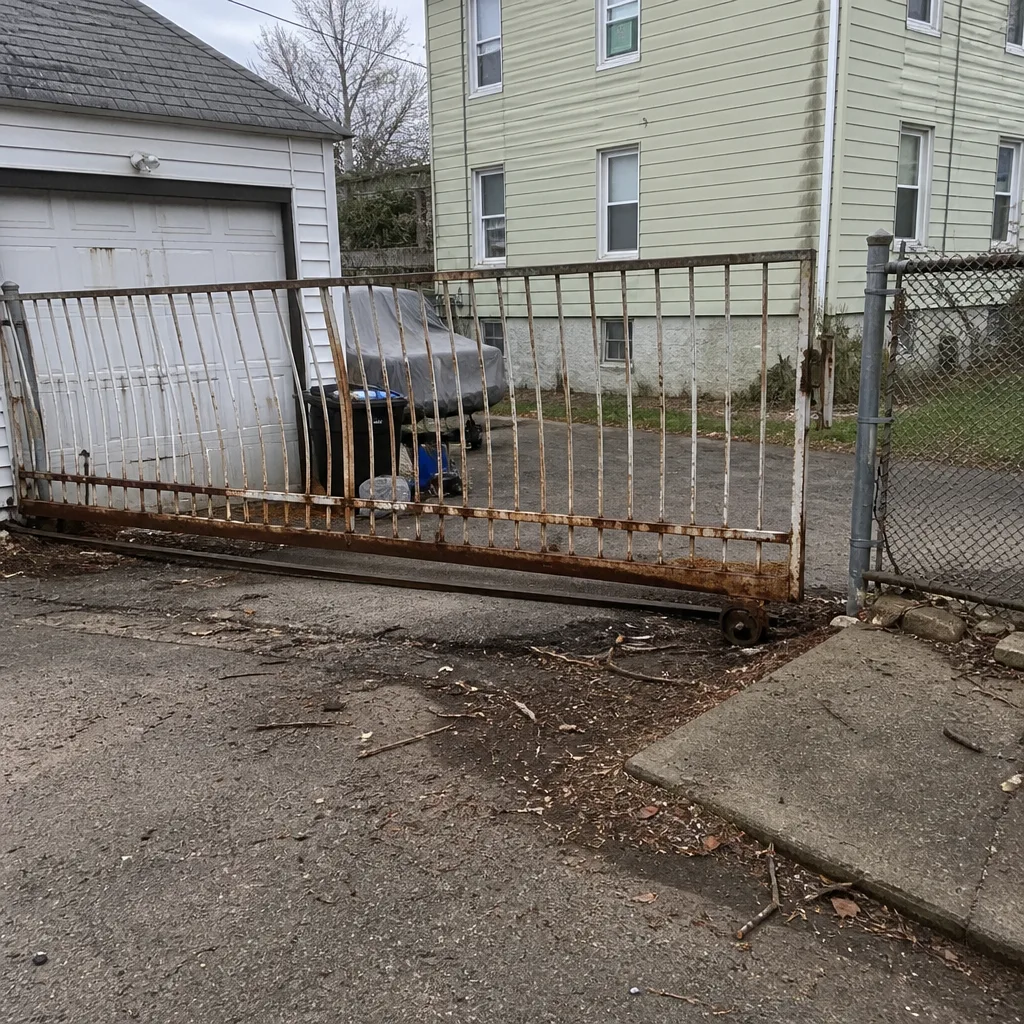 Before
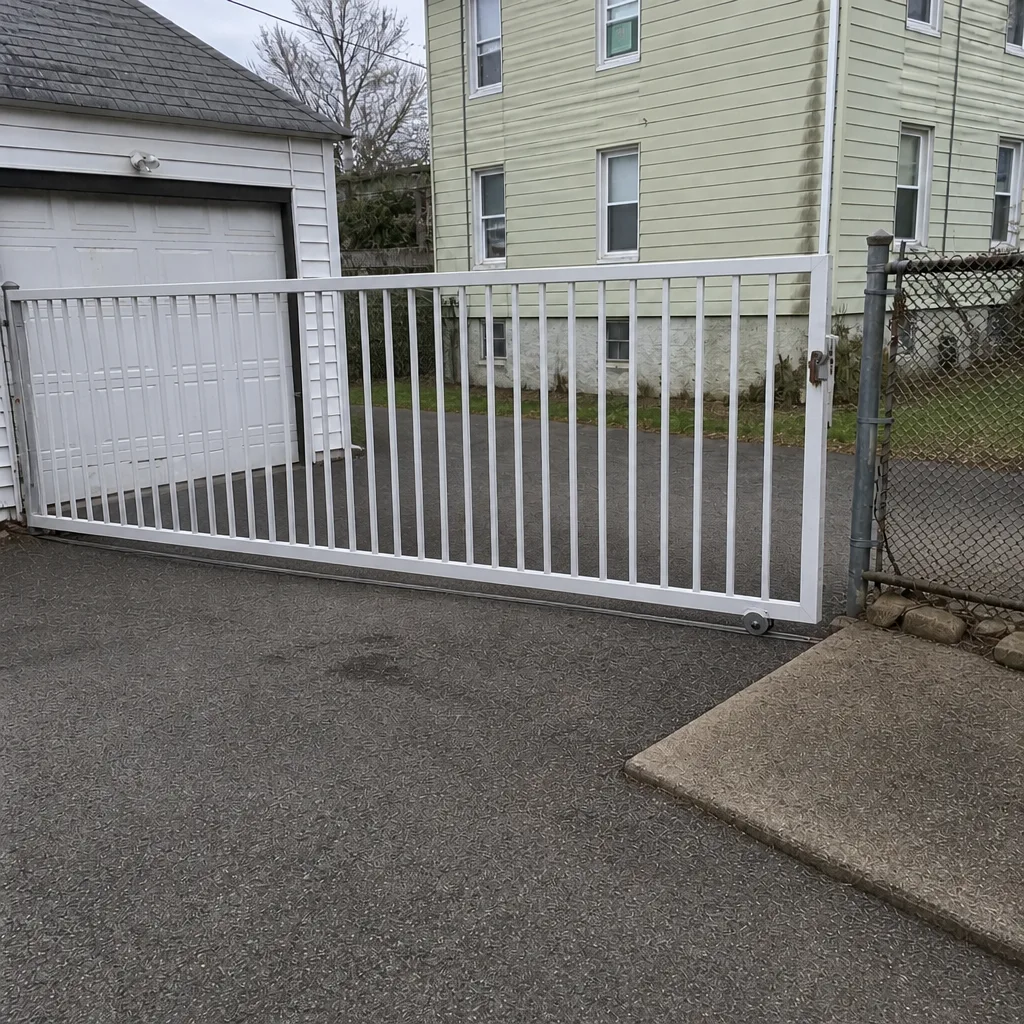 After
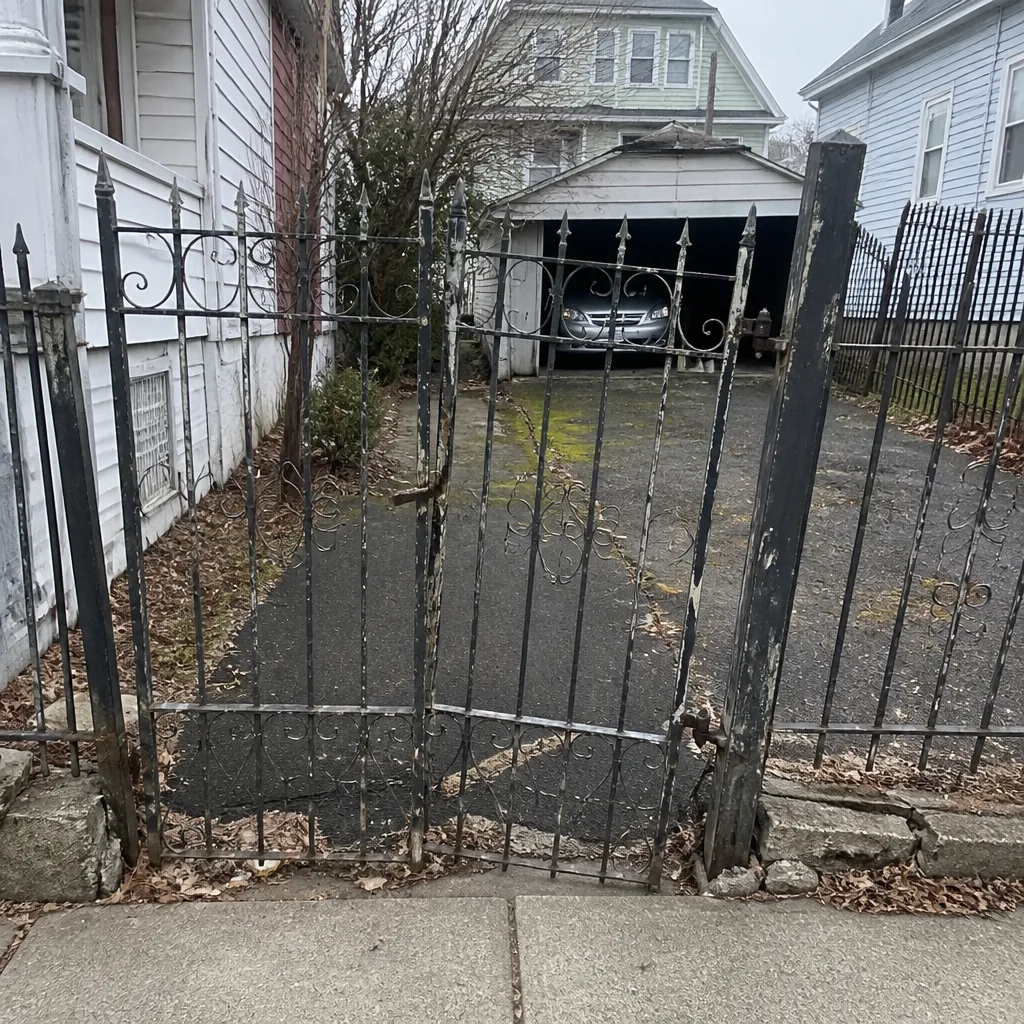 Before
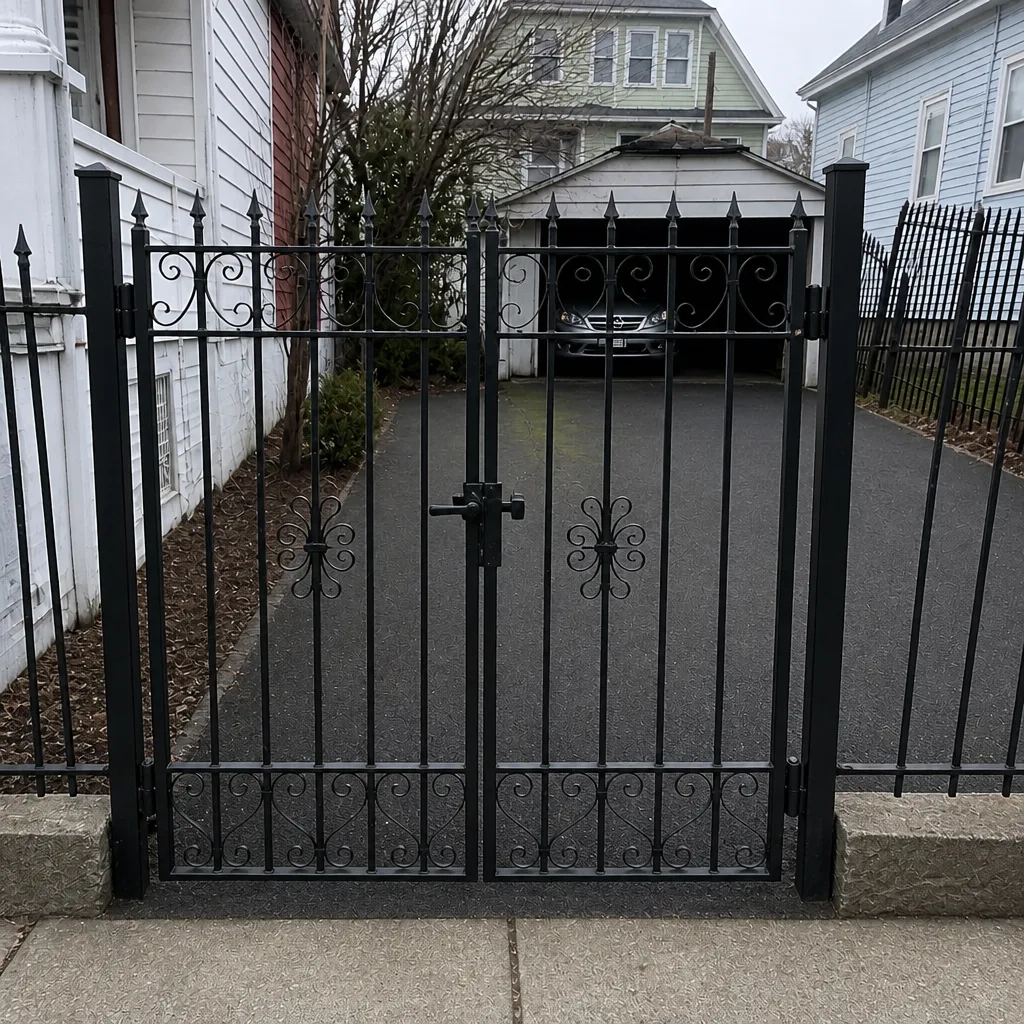 After
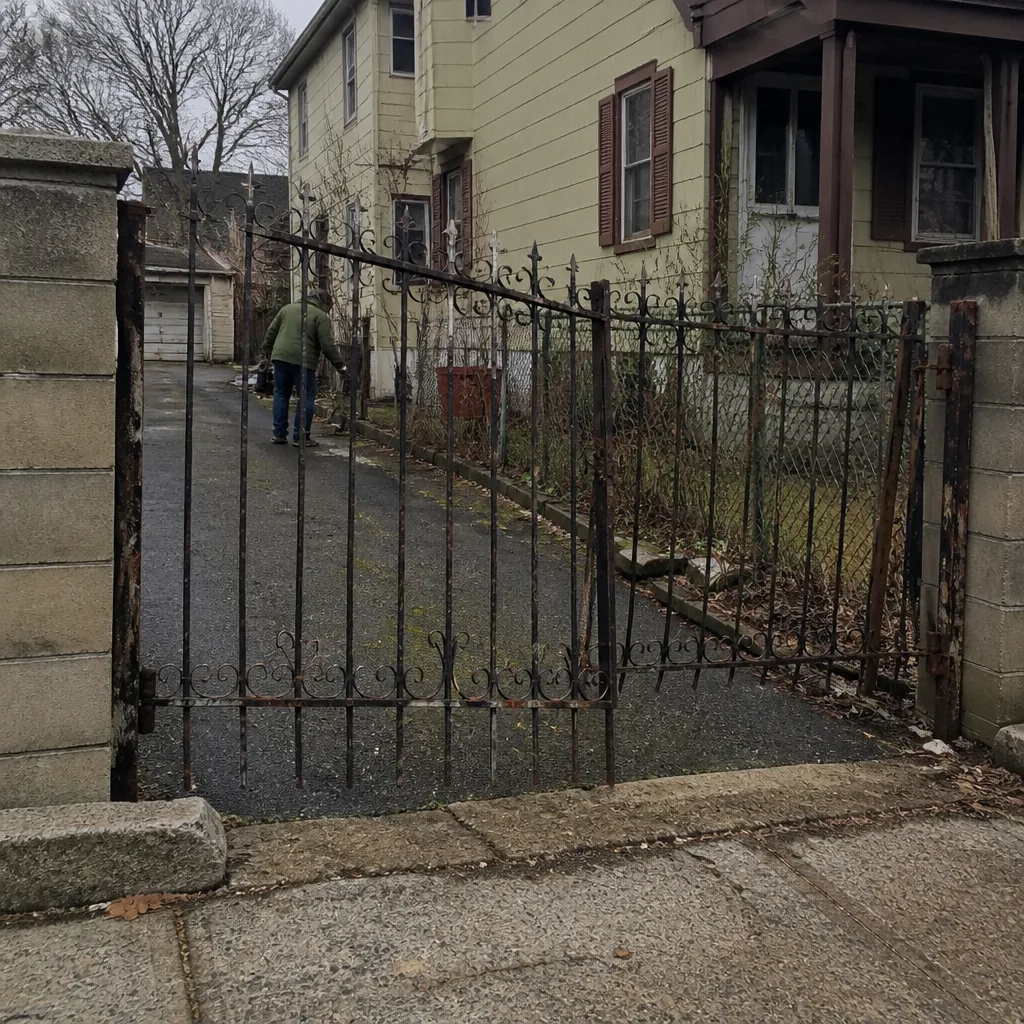 Before
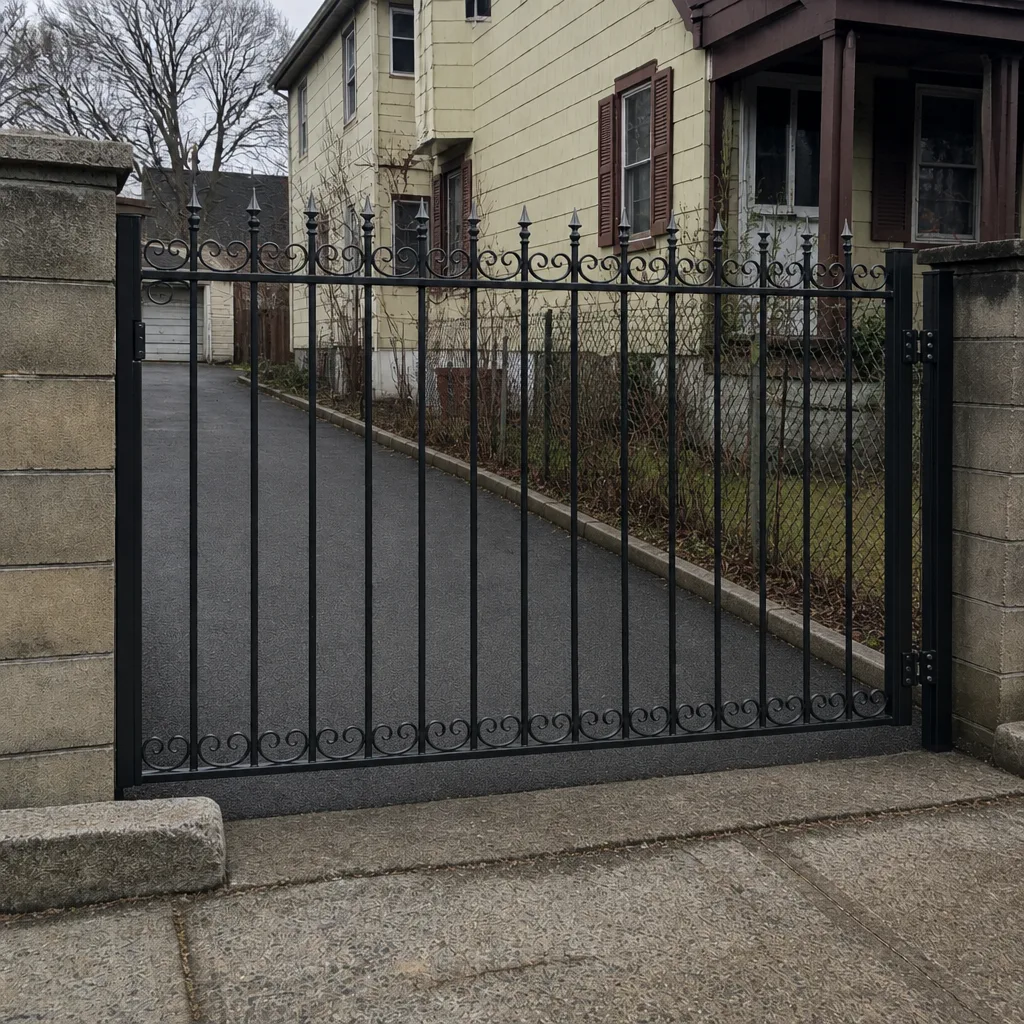 After
When to Call a Professional
Call for a professional when the gate won’t move freely after release, when there’s a bind you can’t find, when the operator sparks or smokes, or when the gate is broken and needs to be secured. Call when the access system has failed, when a safety edge or loop detector is refusing to close the gate, or when you can’t identify your operator type or its release procedure. Those are exactly the jobs a specialist should see – from Paterson homes with a single operator to light-commercial properties with multiple access points. Gates are all we do, so the diagnosis doesn’t start with “let me look that up.” Gate Repair Paterson offers free estimates in Paterson. Call (833) 946-4320. We answer 24/7. Fast dispatch from 7am to 7pm, Sunday through Friday. The price is quoted and agreed in writing before any work starts. There’s no service-call fee, no diagnostic fee, and no trip charge on the estimate.
Frequently Asked Questions
Only after the operator is properly released and powered off. Push a gate with the operator still energized and the gearbox takes the load, which turns a repairable motor into a replacement. Find the manual release for your operator type, cut power, release, then move the gate slowly by hand.
There’s no premium for the emergency call itself. The estimate is free, and the price is set per job by the written estimate, quoted and agreed before any work starts. There’s no service-call fee, no diagnostic fee, and no trip charge. Call (833) 946-4320 for an exact quote. Estimates are free.
In most cases, yes. We answer 24/7. Fast dispatch from 7am to 7pm, Sunday through Friday. A call outside dispatch hours is booked into the next opening, Sunday through Friday, 7am to 7pm. We’re closed on Saturday.
The operator make and model (a photo of the model plate is best), the power status, what the gate was doing the last time it worked, and any error code on the operator display. Also have the access method handy – keypad, remote, intercom, or card reader – so we know whether it’s a gate-movement problem or an access problem.
If the release works and the gate closes freely by hand, close it and lock it manually. If it won’t move, block the opening rather than the gate itself: a vehicle, a temporary barrier, or a locking spacer across the run. Don’t chain the gate to a post under tension, and don’t drill, bolt, or weld anything to the gate or operator. Call (833) 946-4320 for an exact quote. Estimates are free.
Yes. Power wiring, safety sensor alignment, loop detectors, control board programming, motor replacement, and access-system integration are all part of the work. Those are the jobs general repair services routinely turn away, which is part of why we focus entirely on gates. Call (833) 946-4320 for an exact quote. Estimates are free.
The Bottom Line
Most gate emergencies in Paterson are decided before anything fails: do you know your release procedure, your operator model, and the number you’ll call? The failure itself is usually mechanical and repairable. The damage that follows is what homeowners add by forcing a stuck gate or improvising at night. Test the release once now. Photograph the model plate. Test the battery backup. Put our number in your phone. Then, if a gate fails, you follow the sequence instead of inventing it. A gate problem is a repair. A gate problem plus a forced gearbox is a replacement. Get your gate moving again today.
Call (833) 946-4320 for a free estimate. We answer 24/7. Fast dispatch from 7am to 7pm, Sunday through Friday. The price is quoted and agreed in writing before any work starts.
Written by the team at Gate Repair Paterson.